

Healthcare marketing is becoming increasingly digital, and organizations need efficient ways to communicate with patients, manage leads, and build long-term relationships. Traditional marketing methods can require significant manual effort, especially when healthcare providers manage large patient databases and multiple communication channels. Healthcare marketing automation can help organizations streamline these activities while delivering more timely and personalized communication.
Marketing automation combines software, data, workflows, and analytics to manage repetitive marketing activities. When implemented responsibly, it can help healthcare organizations improve patient engagement, increase operational efficiency, and create more consistent communication throughout the patient journey.
Personalized Patient Communication
Personalization is one of the most effective healthcare marketing automation strategies. Patients respond better to communication that is relevant to their interests and needs rather than generic messages.
Healthcare organizations can segment their audiences based on factors such as previous interactions, service interests, appointment history, or engagement preferences. Automated systems can then deliver appropriate messages to different groups.
Personalized communication can include educational information, appointment reminders, service updates, follow-up messages, and wellness-related content. This creates a more relevant experience while reducing the need for staff to manually manage every communication.
Automated Appointment Reminders
Missed appointments can affect healthcare operations and patient convenience. Automated appointment reminders can help reduce this problem by providing patients with timely notifications.
Healthcare marketing automation platforms can send reminders through supported communication channels before scheduled appointments. Additional messages can provide appointment details or encourage patients to complete required steps in advance.
Automating these communications can save administrative time while helping patients stay informed about their appointments.
Patient Follow-Up Campaigns
Follow-up communication is an important part of patient engagement. After an appointment or healthcare service, patients may require additional information, future appointments, or ongoing communication.
Marketing automation can create predefined follow-up workflows based on patient interactions. For example, a system can schedule a message after an appointment and trigger another communication later when appropriate.
This approach helps healthcare organizations maintain consistent communication without relying entirely on manual follow-up.
Lead Nurturing for Healthcare Services
Healthcare organizations often receive inquiries from potential patients through websites, social media, phone calls, online forms, and other channels. Not every inquiry immediately results in an appointment.
Lead nurturing automation can help healthcare organizations maintain communication with interested individuals. Automated workflows can provide relevant information, educational content, service details, or appointment prompts at appropriate stages.
A well-designed nurturing strategy can help organizations remain connected with potential patients without overwhelming them with excessive communication.
Email Marketing Automation
Email remains an effective communication channel for healthcare organizations when used appropriately. Automation allows organizations to create scheduled campaigns and targeted email sequences.
Healthcare providers can use email automation for newsletters, educational content, service updates, appointment-related communication, and engagement campaigns.
Audience segmentation can help ensure that recipients receive information that is relevant to them. Clear consent and appropriate privacy practices should always be considered when managing healthcare-related communications.
Educational Content Campaigns
Healthcare marketing should provide value rather than focus only on promoting services. Educational content can help patients understand health topics, treatment options, preventive care, and available healthcare services.
Automation platforms can distribute educational content based on audience segments and engagement patterns. A patient who interacts with information about a particular healthcare topic may receive additional relevant educational resources.
This can support patient awareness while building trust in the healthcare organization.
Multi-Channel Marketing Automation
Patients use multiple channels to communicate with healthcare organizations. These may include websites, email, SMS, mobile applications, messaging platforms, and social media.
A multi-channel automation strategy can coordinate communication across different platforms. Instead of managing every channel separately, healthcare teams can use centralized workflows to maintain consistency.
The objective should be to make communication more convenient while avoiding repetitive or excessive messages.
Using AI With Marketing Automation
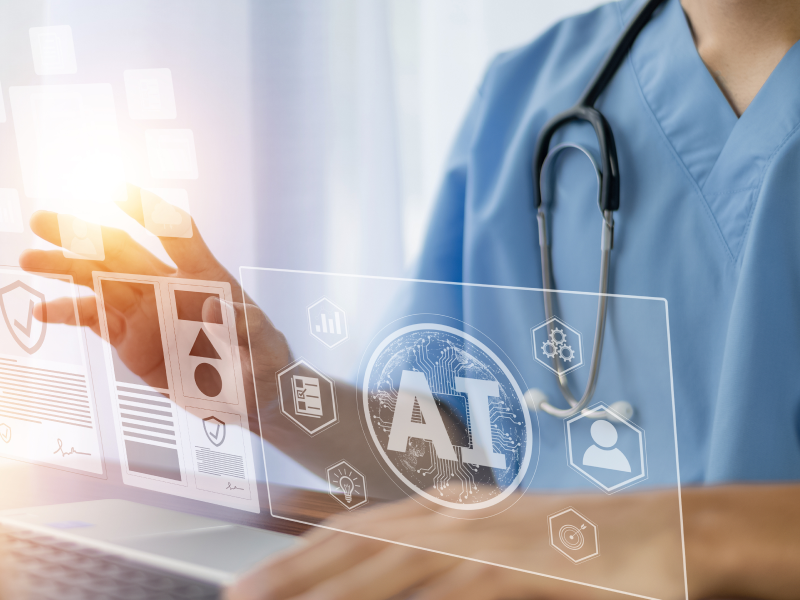
Artificial intelligence can make healthcare marketing automation more intelligent. AI can analyze engagement patterns, identify audience segments, personalize content, and help determine appropriate communication strategies.
AI-powered systems can also support predictive analytics by identifying patterns in patient interactions. These insights may help healthcare organizations understand which campaigns generate engagement and where improvements are needed.
Human oversight remains important, particularly when communication involves sensitive healthcare information.
Feedback and Review Automation
Patient feedback can provide valuable insights into healthcare experiences. However, collecting and organizing feedback manually can be challenging.
Automated feedback workflows can send surveys or review requests after appropriate patient interactions. Responses can then be organized for analysis, helping healthcare organizations identify recurring concerns and areas for improvement.
Feedback automation can support continuous improvement while giving patients an opportunity to share their experiences.
Measuring Marketing Performance
Automation provides healthcare organizations with access to useful marketing performance data. Metrics can include communication engagement, campaign responses, appointment conversions, website interactions, and other relevant indicators.
Analyzing these metrics can help healthcare teams understand which strategies are performing well and which require improvement.
Data-driven marketing allows organizations to make informed adjustments rather than relying entirely on assumptions.
Maintaining Privacy and Compliance
Healthcare marketing automation requires careful attention to privacy and data security. Patient information should be handled responsibly, with appropriate permissions, access controls, security measures, and consent practices.
Organizations should ensure that automated campaigns follow applicable healthcare privacy and communication requirements. Marketing automation should improve communication without compromising patient confidentiality.
Building a Better Patient Journey
The most effective healthcare marketing automation strategies focus on the complete patient journey rather than individual campaigns. From the first website inquiry to appointment scheduling, follow-up communication, feedback collection, and ongoing engagement, automation can connect different stages of the relationship.
When implemented thoughtfully, automation can reduce repetitive work, improve communication consistency, and provide patients with more timely information.
Healthcare marketing automation is therefore becoming an important part of modern digital healthcare strategy. By combining personalization, automated workflows, multi-channel communication, AI, analytics, and responsible data management, healthcare organizations can create more efficient marketing processes while strengthening patient engagement and long-term relationships.