
Healthcare organizations manage a wide range of administrative and patient communication activities every day. Appointment requests, reminders, follow-ups, inquiries, feedback, and patient engagement can require significant staff time when handled manually. As healthcare providers adopt digital solutions, CRM automation can help organize these processes and create more consistent workflows.
Understanding the Benefits of CRM Automation in Healthcare can help clinics and healthcare organizations identify where automation can improve efficiency without replacing the human interaction that remains essential to healthcare. A well-designed healthcare CRM can automate repetitive administrative tasks while allowing staff to focus more attention on patients and complex responsibilities.
What Is CRM Automation in Healthcare?
CRM automation uses software to perform predefined customer or patient relationship tasks with limited manual intervention. In a healthcare setting, these tasks may include appointment reminders, inquiry management, follow-up notifications, feedback requests, and communication workflows.
Automation can connect different steps in a workflow. For example, when a patient submits an appointment inquiry, the system can record the request, assign a task to an appropriate staff member, and send a confirmation message based on configured rules.
Automated Appointment Reminders
Missed appointments can create administrative challenges for healthcare providers. Automated reminders can help patients remember scheduled appointments by sending timely notifications through supported communication channels.
Depending on the system, patients may also be able to confirm, cancel, or request changes to appointments. This can make scheduling more convenient while reducing the amount of manual reminder work required from staff.
Faster Patient Follow-Ups
Follow-up communication can be difficult to manage when staff must track every patient manually. CRM automation can create predefined follow-up workflows based on appropriate events or schedules.
For example, a system can create a reminder for staff to contact a patient after an appointment or send an administrative notification about a future booking. Automation can help ensure that routine follow-up activities are not easily overlooked.
Improved Patient Communication
Consistent communication can contribute to a smoother patient experience. CRM automation allows healthcare organizations to send relevant messages at predefined stages of the patient journey.
Communication workflows may include:
- Appointment confirmations
- Appointment reminders
- Follow-up notifications
- Service updates
- Feedback requests
- Administrative messages
- General patient engagement communication
Messages should be relevant and appropriately timed to avoid unnecessary communication.
Reduced Administrative Work
Healthcare staff often spend considerable time on repetitive administrative activities. Automation can handle certain routine processes, reducing the need for employees to perform the same tasks repeatedly.
This may allow staff to dedicate more time to patient-facing responsibilities, coordination, and other activities requiring human judgment.
Better Inquiry Management
Healthcare organizations receive inquiries through websites, phone calls, email, social media, and messaging platforms. Without a centralized system, inquiries can be difficult to track.
CRM automation can capture inquiries, categorize them, assign tasks, and trigger appropriate follow-up workflows. This can provide staff with a clearer view of outstanding requests and communication activities.
Personalized Patient Engagement
Automation does not necessarily mean sending the same message to everyone. CRM systems can use predefined segments and workflows to support more relevant communication.
For example, new patients may receive different administrative information from returning patients. Patients with scheduled follow-ups may receive specific reminders related to their appointment.
Personalization should be based on appropriate information and managed according to applicable privacy requirements.
Improved Staff Productivity
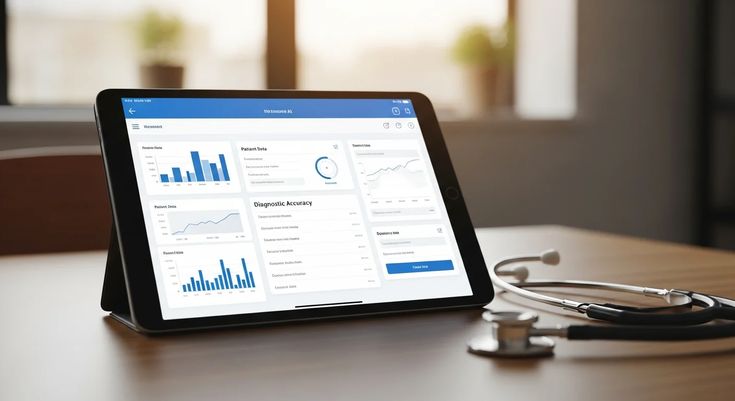
Automation can help healthcare teams manage routine activities more efficiently. Instead of manually checking multiple lists or systems, staff can use centralized dashboards to review tasks and follow-up requirements.
Automated task assignments and notifications can also help teams understand which activities need attention.
Centralized Communication History
A healthcare CRM can maintain a record of relevant communication activities in one place. Authorized staff can review previous interactions, follow-up tasks, and patient engagement information according to their access permissions.
A centralized history can reduce unnecessary repetition and help staff understand the context of ongoing administrative communication.
Patient Feedback Automation
Feedback collection can also be automated. After an appropriate interaction, a CRM system can send a survey or feedback request according to a predefined workflow.
Healthcare organizations can analyze collected feedback to identify recurring concerns or opportunities to improve administrative processes and patient experiences.
Data-Driven Insights
CRM automation can generate useful operational data. Healthcare organizations may be able to analyze appointment inquiries, communication responses, follow-up activity, and engagement patterns.
These insights can help management identify workflow bottlenecks and determine where processes may need improvement.
Data analysis involving patient information should follow applicable privacy, security, and healthcare requirements.
Integration With Healthcare Systems
CRM automation becomes more effective when it integrates with existing healthcare technology. Depending on the platform, a CRM may connect with appointment systems, electronic medical records, electronic health records, patient portals, billing platforms, websites, and communication tools.
Integration can reduce duplicate data entry and allow workflows to operate across multiple systems.
Enhanced Patient Retention
Consistent communication and convenient administrative experiences can help healthcare organizations maintain ongoing relationships with patients. Automated reminders, follow-ups, feedback requests, and relevant notifications can help keep patients connected with established healthcare workflows.
Patient retention should not be treated as communication volume. The focus should remain on providing useful and appropriate interactions.
Security and Compliance
Automation in healthcare requires careful attention to security and privacy. CRM platforms may handle sensitive patient-related information, so organizations should evaluate access controls, authentication, encryption, audit logs, secure integrations, and data management practices.
Healthcare organizations should also ensure that automated workflows comply with applicable regulations and internal policies.
Human Oversight Remains Essential
Automation can support administrative workflows, but it should not remove human oversight where professional judgment is required. Complex patient questions, clinical concerns, urgent situations, and sensitive communications may require qualified staff involvement.
Clear escalation rules can help ensure that automated systems transfer appropriate requests to human team members.
The Benefits of CRM Automation in Healthcare include streamlined communication, automated reminders, faster follow-ups, reduced administrative workload, improved inquiry management, personalized engagement, centralized communication records, and better operational insights.
CRM automation should be implemented according to the needs of the healthcare organization and integrated with appropriate security and privacy controls. When routine processes are automated thoughtfully, healthcare teams can spend less time on repetitive administrative tasks while maintaining meaningful human interaction throughout the patient journey.