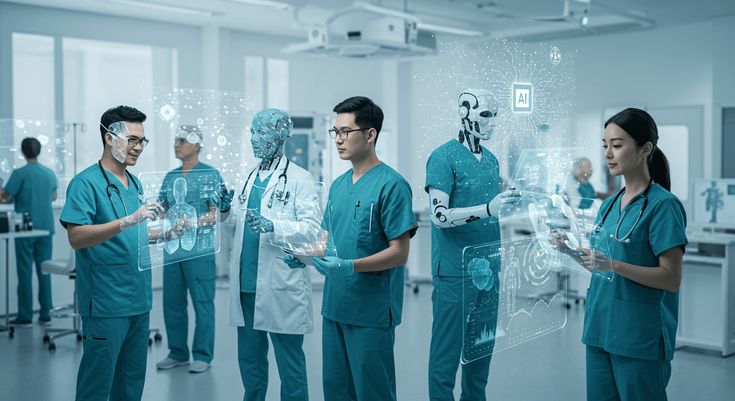

Healthcare delivery is changing rapidly as digital technology makes it possible to provide many services beyond traditional healthcare facilities. Remote healthcare solutions allow patients and healthcare professionals to connect using digital platforms, communication tools, remote monitoring devices, and other technologies.
The Benefits of Remote Healthcare Solutions include improved access, greater convenience, better communication, and more flexible healthcare delivery. These solutions can support patients and providers while complementing traditional in-person healthcare services.
Improves Access to Healthcare
One of the major benefits of remote healthcare is improved access. Patients who live far from healthcare facilities may find it difficult to travel regularly for consultations and follow-ups.
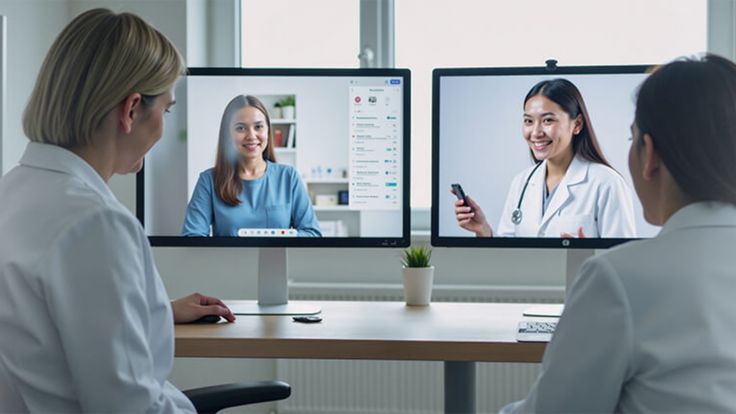
Remote healthcare platforms can connect patients with healthcare professionals through video consultations, secure messaging, telephone services, and other appropriate digital channels. This can reduce geographical barriers and make certain healthcare services more accessible.
Provides Greater Convenience
Remote healthcare allows patients to receive suitable services without always needing to travel to a clinic or hospital. This can save time and reduce the effort associated with transportation and waiting rooms.
Patients may be able to attend virtual consultations from home or another suitable location. This convenience can be particularly valuable for routine follow-ups, selected consultations, and ongoing communication.
Supports Telehealth Services
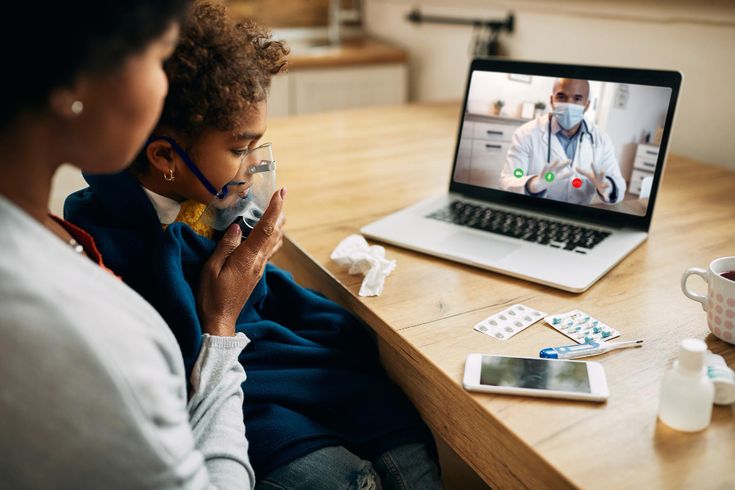
Telehealth is an important component of remote healthcare. Virtual consultations can allow healthcare professionals to communicate with patients through secure digital platforms.
Telehealth may be suitable for certain follow-ups, routine discussions, selected assessments, and care coordination. However, healthcare professionals should determine whether remote care is appropriate for each situation, as some conditions require physical examination or in-person treatment.
Enables Remote Patient Monitoring
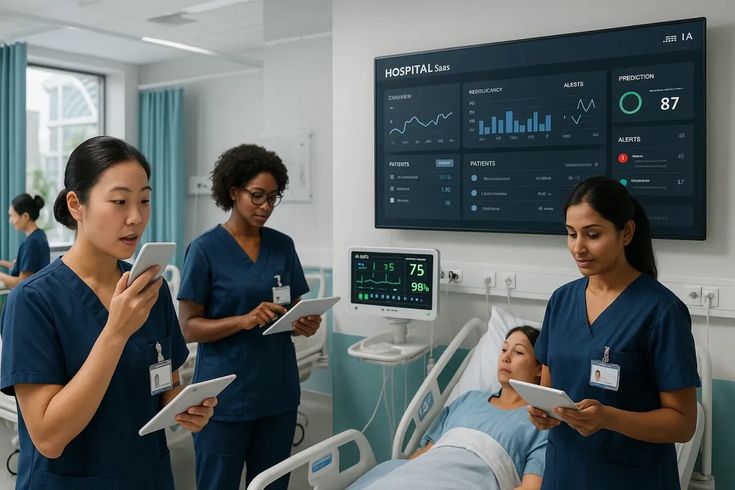
Remote healthcare solutions can support the monitoring of patients outside traditional healthcare facilities. Depending on the technology and medical situation, information from connected devices may help healthcare professionals monitor relevant health measurements.
Remote monitoring can be particularly useful in certain chronic care and follow-up programs. It can allow providers to identify changes that may require attention and maintain communication with patients between visits.
Supports Chronic Care Management
Patients managing long-term conditions may require regular communication and monitoring. Remote healthcare solutions can provide additional channels for follow-up and ongoing support.
Healthcare teams can use appropriate digital tools to communicate with patients, review relevant information, provide instructions, and coordinate follow-up appointments.
Consistent communication can help create a more structured approach to ongoing care.
Reduces Unnecessary Travel
Travel can be a significant burden for some patients, especially when healthcare facilities are located far away. Remote healthcare can reduce the need for certain in-person visits when a physical examination or procedure is not required.
Reducing unnecessary travel can save time for patients and caregivers while helping healthcare providers manage suitable services remotely.
Improves Communication
Effective communication is essential throughout the patient journey. Remote healthcare solutions can provide multiple communication channels, including video consultations, secure messaging, phone calls, and digital notifications.
These tools can help patients stay connected with healthcare teams and receive relevant updates. Better communication can also support coordination between different healthcare professionals when appropriate.
Expands Access to Specialists
Some patients may have limited access to specialists in their local area. Remote healthcare platforms can make it easier to connect patients with specialists who may be located elsewhere.
Virtual specialist consultations can reduce the need for long-distance travel in suitable cases and help healthcare organizations extend specialist services to a broader population.
Offers Flexible Scheduling
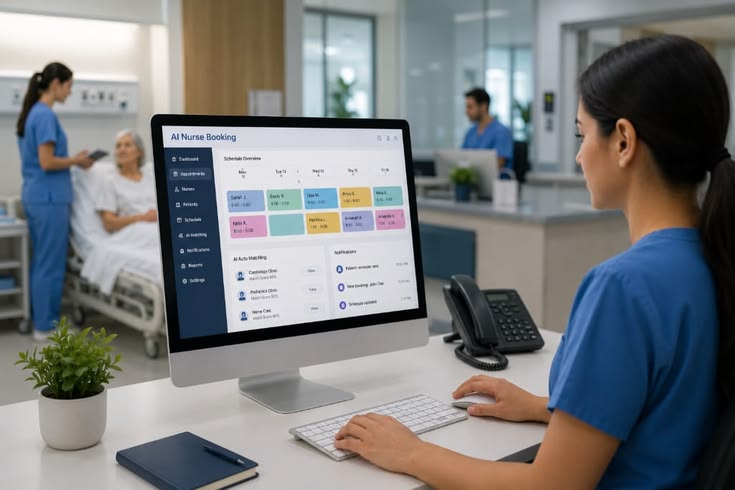
Remote healthcare can provide greater flexibility in how healthcare appointments are organized. Virtual consultations may allow healthcare providers to create additional appointment options while patients can access suitable services without traveling.
Flexible scheduling can benefit people with work commitments, family responsibilities, mobility challenges, or limited transportation options.
Improves Healthcare Efficiency
Healthcare providers can use remote solutions to manage certain consultations, follow-ups, communications, and monitoring activities more efficiently.
Digital workflows can reduce some administrative processes and make it easier to coordinate patient interactions. When integrated with appropriate healthcare systems, remote services can support smoother workflows across different teams.
Supports Patient Engagement
Remote healthcare can encourage patients to become more involved in their care. Digital platforms can provide access to educational resources, reminders, follow-up communication, and relevant health information.
When patients have convenient ways to communicate with their healthcare teams, they may feel more connected to the healthcare process.
Helps Healthcare Organizations Extend Services
Remote healthcare technology can help healthcare organizations expand their service capabilities without relying entirely on physical infrastructure.
Hospitals and clinics can use digital platforms to provide selected services to patients in different locations. This can support broader service coverage while complementing existing in-person facilities.
Supports Digital Healthcare Integration
Remote healthcare solutions can work alongside other digital healthcare technologies. Depending on the organization, these solutions may integrate with electronic health records, patient portals, Healthcare CRM systems, appointment platforms, telehealth applications, and remote monitoring tools.
Integration can help create a more connected healthcare environment and reduce the need for patients and staff to use multiple disconnected systems.
Protects Healthcare Information
Security and privacy are essential when healthcare services are delivered remotely. Remote healthcare platforms should use appropriate security measures, including authentication, access controls, encryption, secure communication, and responsible data management.
Healthcare organizations should also follow applicable privacy, security, and telehealth regulations in their region.