
Technology has become an important part of the modern healthcare experience. From online appointment booking and digital communication to telehealth platforms and patient portals, technology can make healthcare services more convenient and accessible. However, simply introducing new technology does not automatically improve patient satisfaction.
Healthcare organizations need to choose and implement digital solutions based on patient needs, usability, accessibility, security, and communication. The right Strategies to Improve Patient Satisfaction with Technology can help healthcare providers create smoother experiences while improving operational efficiency.
Make Digital Services Easy to Use
One of the most important factors in patient satisfaction is usability. Patients should not need extensive technical knowledge to use healthcare platforms.
Interfaces should be simple, with clear menus, readable content, recognizable icons, and straightforward instructions. Important features such as appointment booking, medical information, payments, and communication should be easy to locate.
A simple digital experience can reduce frustration and encourage patients to use available healthcare services more confidently.
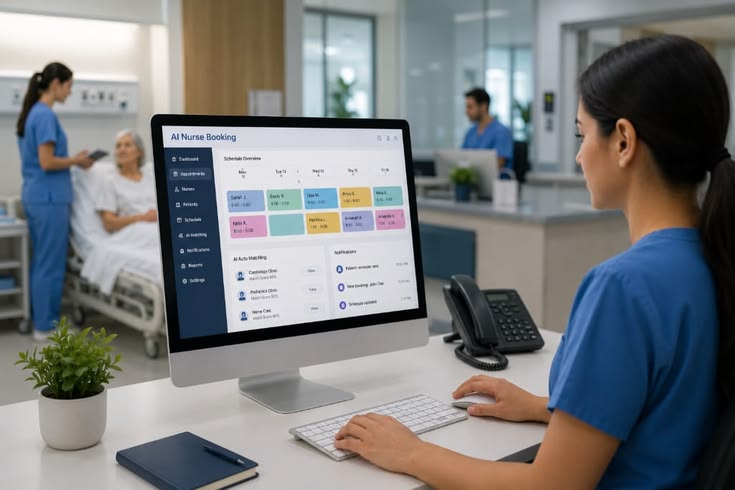
Provide Online Appointment Booking
Appointment scheduling can become time-consuming when patients have to make repeated phone calls or wait for staff assistance.
Online appointment booking allows patients to view available options and request or schedule appointments through a digital platform. Automated confirmations and reminders can also help patients keep track of upcoming visits.
An efficient scheduling system can improve convenience for patients while reducing administrative work for healthcare staff.
Offer Multiple Communication Channels
Patients have different communication preferences. Some may prefer phone calls, while others may find email, SMS, secure messaging, or other digital channels more convenient.
Healthcare organizations can provide multiple appropriate communication options while maintaining consistent information across channels. Patients should be able to receive important updates through channels they are comfortable using.
A multi-channel approach can make communication more flexible and responsive.
Use Telehealth Where Appropriate
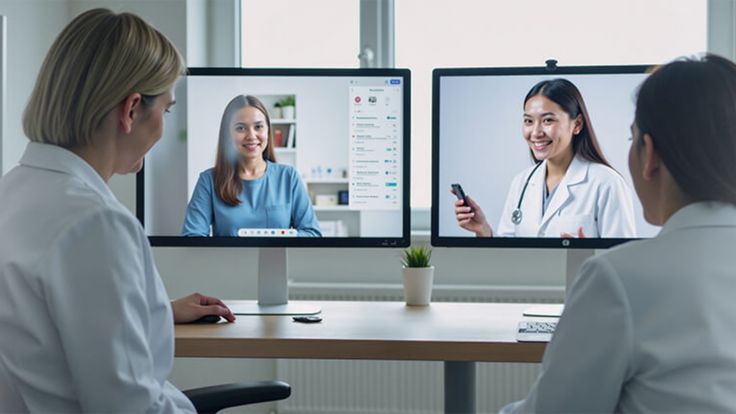
Telehealth can improve convenience by allowing suitable consultations to take place remotely. Patients may avoid unnecessary travel and access certain healthcare services from a convenient location.
Virtual consultations can be useful for appropriate follow-ups, routine discussions, selected consultations, and ongoing communication. Healthcare providers should always determine whether remote care is clinically suitable for each situation.
When implemented effectively, telehealth can become a valuable addition to traditional in-person care.
Provide Patient Portals
Patient portals can give individuals convenient access to selected healthcare information and services. Depending on the system, patients may be able to view appointments, receive messages, access documents, review results, or manage certain administrative tasks.
Giving patients greater access to relevant information can improve transparency and help them become more involved in their healthcare journey.
Send Timely Reminders and Notifications
Missed appointments and forgotten instructions can create unnecessary difficulties for both patients and healthcare providers.
Automated reminders can notify patients about upcoming appointments, preparation requirements, follow-ups, or other important updates. Notifications should be timely and relevant rather than excessive.
Clear reminders can help patients stay informed and reduce avoidable communication gaps.
Personalize Patient Communication
Patients appreciate communication that is relevant to their individual needs. Technology can help healthcare organizations organize patient information and deliver appropriate messages based on appointments, services, preferences, or stages of care.
For example, a patient scheduled for a particular service can receive relevant preparation information rather than generic messages.
Personalization should always be handled responsibly and in accordance with applicable privacy and consent requirements.
Improve Response Times
Patients may become frustrated when they have to wait too long for basic information or assistance. Digital communication tools can help healthcare teams respond more efficiently to common requests.
Automated responses can provide basic information immediately, while more complex questions can be directed to appropriate staff members.
Faster communication can make patients feel that their concerns are being acknowledged and handled efficiently.
Focus on Accessibility
Healthcare technology should be accessible to people with different abilities, technical skills, and device preferences.
Healthcare platforms should use readable text, clear navigation, appropriate contrast, accessible forms, and responsive layouts. Digital services should also work effectively across smartphones, tablets, and computers.
Accessible technology creates a more inclusive experience and allows more patients to benefit from digital healthcare services.
Protect Patient Information
Trust is essential in healthcare. Patients need confidence that their personal and healthcare information is being handled responsibly.
Healthcare technology should include appropriate security measures such as authentication, access controls, encryption, audit capabilities, and secure data handling. Organizations should also follow relevant healthcare privacy and data protection requirements.
Strong security practices can help build confidence in digital healthcare services.
Integrate Healthcare Systems
Patients may become frustrated when different healthcare systems do not communicate effectively. Staff may also need to enter the same information into multiple platforms.
Integrating appropriate systems can create more connected workflows. For example, appointment management, patient communication, CRM platforms, telehealth solutions, and other healthcare technologies can work together where technically and clinically appropriate.
Better integration can reduce duplication and create a smoother experience for both patients and staff.
Provide Clear Digital Support
Not every patient will immediately understand how to use a new healthcare platform. Organizations should provide simple instructions, FAQs, tutorials, and accessible support.
Patients should have an alternative way to receive assistance if they encounter technical problems. Providing human support alongside digital services can prevent technology from becoming a barrier to care.
Collect and Act on Patient Feedback
Technology should evolve based on real patient experiences. Healthcare organizations can collect feedback through surveys, reviews, usability testing, support interactions, and other appropriate methods.
Feedback can reveal problems that may not be obvious to technical teams. Regularly reviewing feedback allows organizations to improve navigation, communication, appointment processes, and other digital services.
The most valuable approach is not simply collecting feedback but using it to make measurable improvements.
Train Healthcare Staff
Patient-facing technology is only effective when healthcare staff know how to use it properly. Employees should receive appropriate training on digital platforms, communication workflows, security procedures, and patient support.
Well-trained staff can help patients use technology more confidently and resolve issues efficiently.
Measure Patient Experience
Healthcare organizations should track relevant indicators to understand whether digital improvements are actually benefiting patients. Metrics may include appointment completion rates, portal usage, response times, digital service adoption, support requests, and patient feedback.
Regular measurement allows organizations to identify successful features and areas that require improvement.