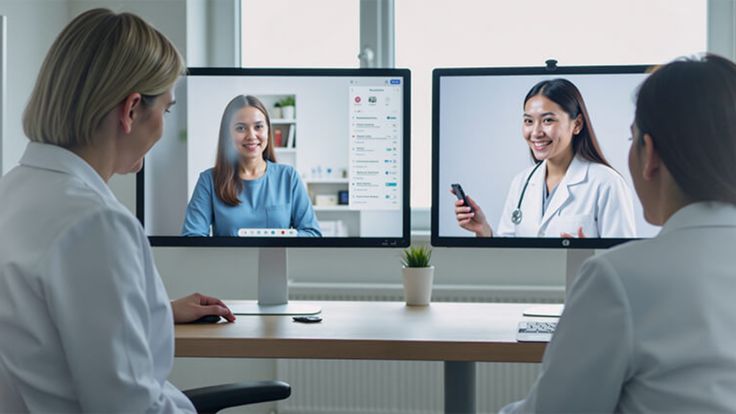


Digital technology has changed how healthcare organizations manage patients, appointments, records, communication, billing, and daily administrative activities. Clinics can use digital platforms to reduce manual work, improve organization, and provide a more convenient experience for both staff and patients.
Following the Best Practices for Managing Clinics Digitally can help healthcare organizations create efficient workflows while maintaining security, accuracy, and reliable patient communication. The right digital approach can support smoother clinic operations and better use of valuable staff time.
Use a Centralized Clinic Management System
A centralized digital system can bring important clinic activities together in one platform. Appointment scheduling, patient records, billing, staff information, follow-ups, and reports can be managed through connected workflows.
Having information in one organized system reduces the need to search through separate files or applications. Authorized staff can access the information they need more efficiently, helping daily operations run smoothly.
Maintain Accurate Digital Patient Records
Accurate patient information is essential for effective healthcare administration. Digital records can help clinics organize patient demographics, appointment history, treatment information, documents, and communication records.
Staff should regularly review records and correct outdated or duplicate information. Clear data-entry procedures can also help reduce errors and maintain consistency across the system.
Simplify Appointment Management
Appointment scheduling is one of the most important administrative functions in a clinic. Digital appointment systems can allow staff to manage schedules, cancellations, rescheduling, and availability more efficiently.
Automated reminders through approved communication channels can help patients remember upcoming appointments. This can reduce missed appointments while allowing staff to spend less time on manual reminder calls.
Strengthen Patient Communication
Effective communication helps create a better patient experience. Clinics can use digital platforms to send appointment confirmations, reminders, follow-up messages, instructions, and other relevant updates.
Communication should be timely, clear, and appropriate to the patient’s situation. Clinics should also establish processes for handling patient responses and requests so important messages are not overlooked.
Protect Patient Information
Healthcare organizations handle sensitive information, making data security a fundamental part of digital clinic management.
Clinics should use appropriate access controls, strong authentication, secure systems, regular software updates, backups, and staff security training. Access to patient information should be limited according to job responsibilities.
Security procedures should also be reviewed regularly to identify potential weaknesses and improve protection.
Automate Repetitive Administrative Tasks
Many clinic activities involve repetitive tasks that can consume staff time. Digital platforms can automate suitable processes such as appointment reminders, notifications, report generation, billing workflows, and follow-up scheduling.
Automation can reduce repetitive administrative work and allow employees to focus more on patient-facing responsibilities.
However, automated processes should be monitored to ensure that important tasks are completed correctly and exceptions are handled appropriately.
Manage Billing and Payments Digitally
Digital billing systems can help clinics organize invoices, payment records, outstanding balances, and financial reports.
Connecting billing processes with appointment and patient-management systems can reduce duplicate data entry and improve record accuracy.
Clinics should establish clear procedures for reviewing transactions and protecting financial information.
Use Reports and Analytics
Digital systems can provide useful information about clinic operations. Managers can monitor appointment volumes, cancellation rates, patient activity, revenue trends, service demand, and other operational indicators.
Regular reporting can help identify bottlenecks and opportunities for improvement. Data-driven insights can support better resource planning and more informed operational decisions.
Train Staff on Digital Systems
Technology is only effective when employees know how to use it correctly. Clinics should provide appropriate training when introducing new digital tools or updating existing systems.
Training can cover appointment management, patient records, communication workflows, security procedures, and data-handling practices.
Ongoing support is also valuable because staff may encounter new situations as they use the system in daily operations.
Keep Systems Updated
Outdated software can create security, compatibility, and performance problems. Clinics should maintain their digital platforms and ensure that supported software, integrations, and security features are updated appropriately.
Regular system reviews can also identify unnecessary tools, outdated workflows, or features that are no longer useful.
Keeping technology current helps create a more reliable digital environment.
Create Clear Digital Workflows
A digital system should reflect how a clinic actually operates. Before implementing technology, clinics should map important workflows such as registration, appointment booking, patient visits, billing, follow-ups, and reporting.
Clear workflows help staff understand what needs to happen at each stage. They can also reduce unnecessary steps and make responsibilities easier to define.
Digital tools should simplify processes rather than add complexity.
Monitor Patient Experience
Digital transformation should improve the patient experience as well as internal operations. Online booking, automated reminders, digital forms, and convenient communication can make interactions easier for patients.
Clinics can collect feedback through surveys, reviews, or direct communication to identify areas where digital services could be improved.
Regularly evaluating patient experience helps ensure that technology remains useful and accessible.
Following the Best Practices for Managing Clinics Digitally can help healthcare organizations improve efficiency, organize patient information, simplify appointments, strengthen communication, and support secure data management.
A successful digital clinic strategy combines reliable technology with clear workflows, trained staff, strong security practices, and continuous improvement. By using digital systems thoughtfully, clinics can reduce administrative challenges while creating a more organized and convenient experience for patients and healthcare teams.