
Electronic Medical Record (EMR) systems have become an important part of modern healthcare management. Clinics and healthcare organizations use digital records to organize patient information, support clinical workflows, manage appointments, and improve communication between authorized healthcare teams.
Modern EMR platforms are designed to provide more than basic digital record storage. They can connect different administrative and clinical activities within a centralized system, helping healthcare organizations manage information more efficiently.
Understanding the Key Features of Modern EMR Systems can help healthcare providers evaluate digital solutions that match their operational requirements and long-term goals.
Centralized Patient Records
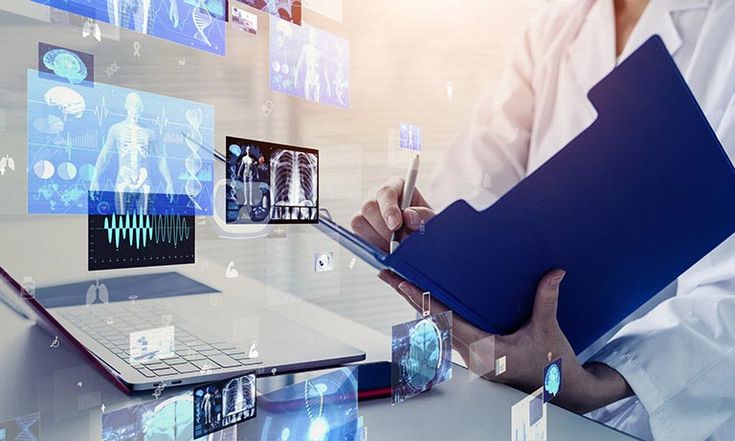
One of the primary features of an EMR system is centralized patient information. Instead of relying on paper files or disconnected records, authorized healthcare staff can access relevant patient information through a digital platform.
Records may include demographic details, medical history, visit information, diagnoses, treatment notes, prescriptions, test results, and other relevant documentation.
Centralized records can make information easier to retrieve and reduce the administrative effort involved in managing physical documents.
Appointment Management
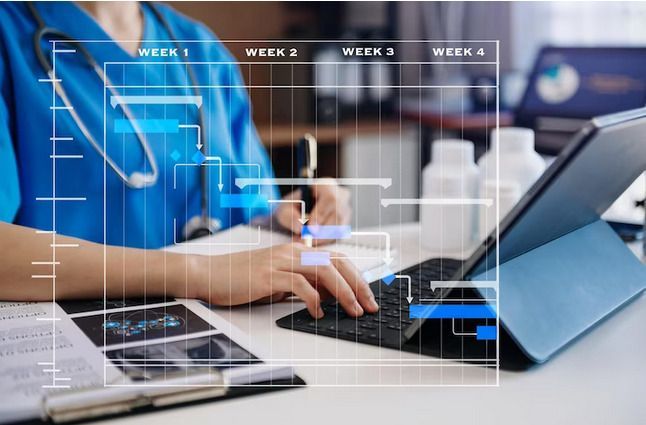
Modern EMR systems often include appointment scheduling tools that help clinics organize their calendars and manage patient visits.
Staff can view availability, schedule appointments, reschedule visits, manage cancellations, and track upcoming consultations through a centralized interface.
Integration between appointment scheduling and patient records can also help staff access relevant information before a patient’s visit.
Digital Clinical Documentation
EMR platforms provide tools for documenting patient encounters digitally. Healthcare professionals can record clinical notes, observations, diagnoses, treatment plans, and follow-up information within the patient’s record.
Structured documentation can help create more organized records and make information easier for authorized team members to review.
Templates and customizable fields can also reduce repetitive data entry while maintaining consistent documentation practices.
E-Prescription Support
Electronic prescription functionality allows authorized healthcare professionals to create and manage prescriptions digitally.
Depending on the system, prescription tools may include medication information, dosage instructions, duration, and other relevant details.
Digital prescription workflows can reduce reliance on handwritten documents and make prescription information easier to manage within the patient’s record.
Laboratory and Diagnostic Integration
Modern EMR systems can integrate with laboratory and diagnostic services where supported. Test orders and results can be connected to the appropriate patient record.
This can reduce manual data entry and make relevant results easier for authorized healthcare professionals to review.
Integration can also help clinics organize diagnostic information alongside other clinical documentation.
Secure Patient Portals
Patient portals can provide patients with convenient access to selected healthcare information and services.
Depending on the platform, patients may be able to view appointments, receive documents, review certain records, request services, or communicate with the healthcare organization.
Secure authentication and appropriate access controls are essential when providing patients with digital access to their information.
Billing and Payment Management
Some EMR systems include billing functionality or integrate with dedicated financial platforms. This allows clinics to connect clinical and administrative workflows.
Billing tools can help manage invoices, payment records, insurance-related information, and outstanding balances where applicable.
Connecting these processes can reduce duplicate data entry and improve administrative efficiency.
Reporting and Analytics
Data generated through an EMR can provide valuable operational insights. Reporting tools can help healthcare organizations monitor appointment activity, patient volumes, service utilization, financial information, and other operational metrics.
Analytics can help managers identify workflow bottlenecks and make informed decisions about staffing, resources, and service delivery.
Reports should be configured according to the organization’s needs and applicable data-protection requirements.
Role-Based Access Control
Healthcare organizations contain different roles with different responsibilities. Modern EMR systems can use role-based access controls to determine which information and features individual users can access.
For example, administrative employees may require access to scheduling information, while clinical staff may need access to patient records and documentation tools.
Limiting access according to responsibilities can help protect sensitive healthcare information.
Data Security and Backup
Security is a fundamental requirement for electronic medical records. Modern EMR systems should incorporate appropriate security measures to protect patient information from unauthorized access, loss, or misuse.
Security features may include authentication, encryption, access controls, audit logs, monitoring, and regular backups.
Healthcare organizations should also establish internal policies for secure data handling and provide staff with appropriate security training.
Interoperability and Integrations
Healthcare organizations often use multiple digital systems. An EMR that can integrate with other healthcare and business platforms can help reduce isolated workflows.
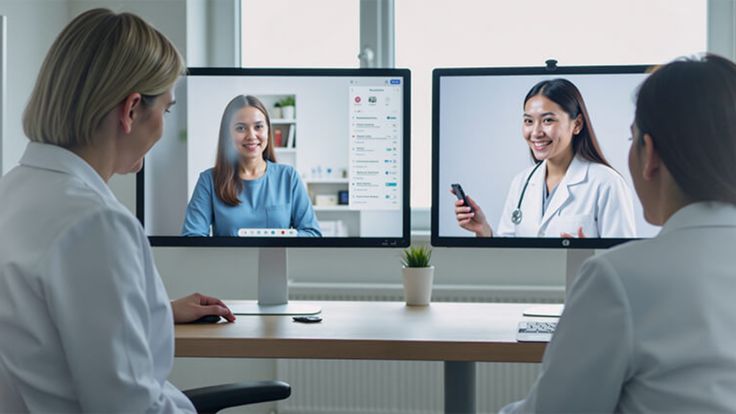
Depending on the technology and applicable standards, integrations may connect the EMR with laboratories, pharmacies, billing platforms, patient communication tools, telehealth services, or other systems.
Interoperability can improve information flow and reduce unnecessary manual processes.
Mobile Accessibility
Healthcare professionals may need to access information while moving between consultation rooms, departments, or locations. Mobile-friendly EMR platforms can provide access through compatible smartphones, tablets, or other devices.
Responsive interfaces can make it easier for authorized users to review information and complete appropriate tasks without being tied to a desktop workstation.
Mobile access should always include appropriate security controls.
Automated Notifications
Automation can help clinics manage routine notifications. EMR systems may support appointment reminders, follow-up notifications, task alerts, and other administrative communications.
Automated workflows can reduce repetitive work for staff while helping patients receive timely information.
Organizations should review automated messages regularly to ensure that they remain accurate and appropriate.
Customization and Scalability
Every healthcare organization has different workflows and requirements. Modern EMR systems may offer configurable templates, fields, dashboards, workflows, and user permissions.
Scalability is also important as a clinic grows. A suitable system should be able to support additional users, departments, locations, services, and integrations when required.
Choosing a flexible platform can reduce the need for major system changes as operational requirements evolve.
The Key Features of Modern EMR Systems extend beyond storing electronic patient records. Centralized documentation, appointment management, e-prescriptions, diagnostic integration, patient portals, reporting, security controls, interoperability, automation, and customization can help healthcare organizations manage their operations more efficiently.
When selecting an EMR system, healthcare providers should consider usability, security, integration capabilities, scalability, compliance requirements, and the specific needs of their workflows. The right digital platform can provide a strong foundation for organized healthcare management and improved operational efficiency.