
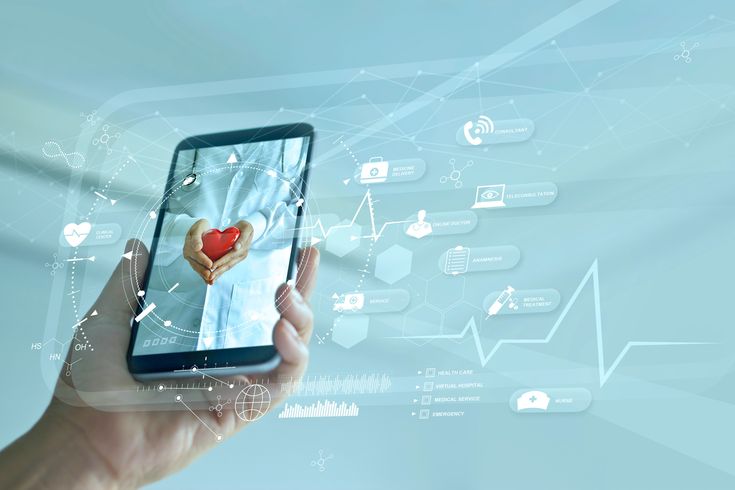
Healthcare organizations today handle large volumes of patient information, ranging from medical histories and appointments to billing records and treatment plans. Managing this data manually or through outdated systems can lead to inefficiencies, errors, and poor patient experiences. This is where Healthcare CRM (Customer Relationship Management) software plays a vital role. It helps clinics, hospitals, and healthcare providers streamline patient data management, improve communication, and deliver better care outcomes.
What is Healthcare CRM Software?
Healthcare CRM software is a digital system designed to manage interactions between healthcare providers and patients. It centralizes patient information in one secure platform, making it easier for medical staff to access, update, and analyze data in real time.
Unlike traditional record-keeping systems, healthcare CRM focuses not only on storing data but also on improving patient engagement, communication, and long-term relationships.
Importance of Patient Data Management in Healthcare
Accurate and organized patient data is essential for effective treatment and decision-making. Poor data management can lead to:
- Misdiagnosis or delayed treatment
- Duplicate records
- Inefficient appointment scheduling
- Poor communication between departments
Healthcare CRM software solves these issues by ensuring that all patient information is accurate, updated, and easily accessible.
Key Features of Healthcare CRM Software
A modern healthcare CRM system includes several powerful features that improve patient data management:
1. Centralized Patient Records
All patient information, including medical history, prescriptions, lab reports, and appointments, is stored in a single secure database.
2. Appointment Scheduling System
Automated scheduling helps reduce waiting times and avoids double bookings. Patients can also receive reminders through SMS or email.
3. Patient Communication Tools
CRM systems enable secure communication between doctors, staff, and patients through messaging or notifications.
4. Billing and Payment Management
Integrated billing systems ensure accurate invoicing, payment tracking, and insurance processing.
5. Data Analytics and Reporting
Healthcare providers can analyze patient data to identify trends, improve treatment plans, and enhance operational efficiency.
6. Security and Data Protection
Advanced encryption and access control features ensure that sensitive patient data is protected from unauthorized access.
How Healthcare CRM Improves Patient Data Management
Healthcare CRM software transforms the way patient data is handled in several important ways:
Improved Data Accuracy
By eliminating manual entry errors and duplication, CRM systems ensure that patient records are accurate and up to date.
Faster Access to Information
Doctors and healthcare staff can quickly retrieve patient records, enabling faster diagnosis and treatment.
Better Coordination Between Departments
Different departments can access shared patient data, improving collaboration and reducing communication gaps.
Enhanced Patient Tracking
CRM systems help track patient journeys from appointment booking to treatment and follow-up care.
Streamlined Workflow
Automation of routine tasks such as reminders, billing, and reporting reduces administrative workload.
Benefits for Healthcare Providers
Implementing healthcare CRM software offers several advantages for healthcare organizations:
- Improved operational efficiency
- Better patient satisfaction
- Reduced administrative errors
- Increased staff productivity
- Enhanced decision-making through data insights
By improving internal processes, healthcare providers can focus more on delivering quality patient care.
Benefits for Patients
Patients also benefit significantly from healthcare CRM systems:
- Easy appointment booking and reminders
- Faster access to medical services
- Better communication with healthcare providers
- Personalized treatment and care plans
- Improved overall healthcare experience
This leads to higher trust and long-term patient relationships.
Integration with Modern Healthcare Systems
Healthcare CRM software can be integrated with other systems such as:
- Electronic Health Records (EHR)
- Hospital Information Systems (HIS)
- Laboratory Management Systems
- Insurance and billing platforms
This integration ensures smooth data flow across all departments and improves overall efficiency.
Challenges in Implementation
Despite its benefits, implementing healthcare CRM software can come with challenges:
- High initial setup cost
- Training staff to use new systems
- Data migration from legacy systems
- Ensuring compliance with healthcare regulations
- Maintaining cybersecurity standards
Proper planning and support can help overcome these challenges effectively.
Future of Healthcare CRM Systems
The future of healthcare CRM is driven by advanced technologies such as artificial intelligence, machine learning, and cloud computing. These innovations will enable:
- Predictive patient care
- Automated diagnosis support
- Real-time health monitoring
- Smarter data analytics
As healthcare continues to evolve, CRM systems will become even more essential in delivering personalized and efficient care.
Healthcare CRM software is a powerful solution for improving patient data management in modern healthcare organizations. It centralizes patient records, enhances communication, improves accuracy, and streamlines workflows.
By adopting healthcare CRM systems, hospitals and clinics can provide better patient care, improve operational efficiency, and build stronger relationships with patients. In a data-driven healthcare environment, CRM software is no longer optional—it is a necessity for delivering high-quality medical services.