
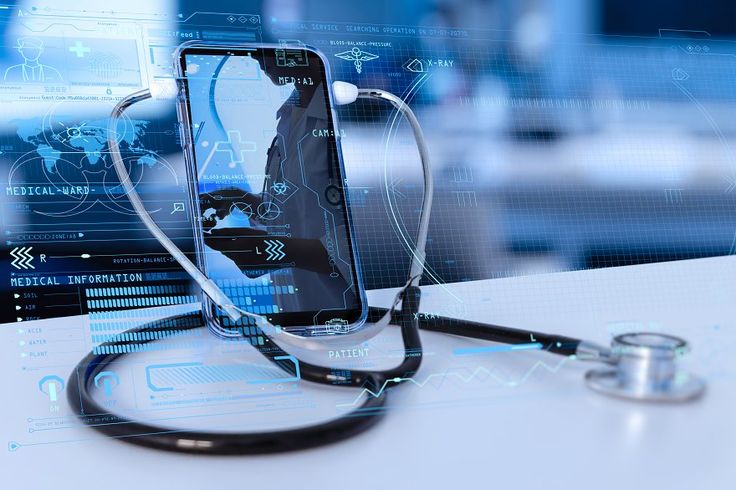
Healthcare organizations are rapidly shifting from paper-based systems to digital solutions to manage patient information more efficiently. In this transformation, Healthcare CRM (Customer Relationship Management) systems play a crucial role by supporting, organizing, and enhancing digital patient records. These platforms ensure that patient data is not only stored digitally but also made accessible, secure, and useful for improving healthcare delivery.
Centralized Digital Patient Records
One of the primary ways Healthcare CRM supports digital patient records is by centralizing all information into a single system. Instead of scattered files or disconnected databases, every patient’s data is stored in one unified profile.
This includes:
- Medical history
- Diagnostic reports
- Prescriptions
- Appointment history
- Billing and insurance details
A centralized system ensures that healthcare professionals can access complete patient information instantly, leading to faster and more accurate decision-making.
Easy Access to Patient Information
Healthcare CRM systems make digital patient records easily accessible to authorized users. Doctors, nurses, and administrative staff can retrieve patient data in real time without searching through physical files or multiple systems.
This improves:
- Speed of diagnosis
- Treatment accuracy
- Emergency response time
- Coordination between departments
Quick access to information is especially critical in emergency situations where every second matters.
Improved Data Accuracy and Consistency
Manual record-keeping often leads to errors such as duplicate entries, missing data, or incorrect information. Healthcare CRM platforms reduce these issues by standardizing data entry and automatically syncing updates across the system.
When a patient’s record is updated in one place, it reflects everywhere instantly. This ensures:
- Consistent and accurate patient data
- Reduced duplication of records
- Better clinical decision-making
Accurate records are essential for safe and effective healthcare delivery.
Integration with Clinical Systems
Modern Healthcare CRM platforms integrate seamlessly with Electronic Health Records (EHR), Hospital Information Systems (HIS), and laboratory systems. This integration ensures that all digital patient records are updated in real time across departments.
For example, systems like Epic Systems help hospitals manage clinical data efficiently while maintaining synchronization with CRM platforms.
Benefits of integration include:
- Unified patient data across departments
- Reduced manual data entry
- Improved workflow efficiency
- Better communication between clinical teams
This interconnected system enhances overall healthcare coordination.
Enhanced Data Security and Privacy
Digital patient records contain sensitive personal and medical information. Healthcare CRM systems prioritize data security through advanced protection measures.
Security features include:
- Data encryption
- Role-based access control
- Multi-factor authentication
- Secure cloud storage
- Audit logs for tracking access
These measures ensure that only authorized personnel can access patient records, maintaining confidentiality and compliance with healthcare regulations such as HIPAA and GDPR.
Real-Time Data Updates
Healthcare CRM platforms allow real-time updates to patient records. Whenever a doctor or staff member adds new information—such as test results, prescriptions, or treatment notes—it is instantly updated in the system.
This ensures:
- Up-to-date patient information
- Better coordination between departments
- Reduced chances of outdated or incorrect data
- Improved treatment planning
Real-time updates are especially important in fast-paced healthcare environments.
Better Coordination Between Healthcare Teams
Digital patient records supported by CRM systems improve communication between different healthcare departments. Doctors, nurses, pharmacists, and lab technicians can all access the same updated patient data.
This leads to:
- Smoother collaboration
- Faster treatment decisions
- Reduced communication gaps
- Improved patient care continuity
When all teams work with the same data, healthcare delivery becomes more efficient and accurate.
Data Analytics and Insights from Patient Records
Healthcare CRM systems not only store patient data but also analyze it to generate valuable insights. These insights help healthcare providers understand patient trends, treatment effectiveness, and operational performance.
Examples include:
- Identifying common diseases
- Tracking patient recovery rates
- Monitoring treatment outcomes
- Improving resource allocation
Data-driven insights support better healthcare planning and decision-making.
Improved Patient Engagement
Digital patient records also enhance communication with patients. CRM systems can use stored data to send personalized messages, reminders, and follow-ups.
This includes:
- Appointment reminders
- Medication alerts
- Follow-up care instructions
- Preventive health recommendations
This improves patient engagement and encourages better health outcomes.
Reduced Paperwork and Administrative Burden
By supporting digital records, Healthcare CRM systems significantly reduce the need for physical paperwork. Administrative tasks become automated and more efficient.
Benefits include:
- Less manual documentation
- Faster record retrieval
- Reduced storage requirements
- Lower operational costs
This allows healthcare staff to focus more on patient care rather than paperwork.
Healthcare CRM systems play a vital role in supporting digital patient records by centralizing data, improving accessibility, enhancing accuracy, and ensuring security. They enable real-time updates, seamless integration with clinical systems, and better coordination among healthcare teams.
By transforming how patient data is stored and managed, Healthcare CRM platforms help healthcare organizations deliver faster, safer, and more efficient care. In modern healthcare environments, digital patient records powered by CRM systems are essential for improving both operational performance and patient outcomes.