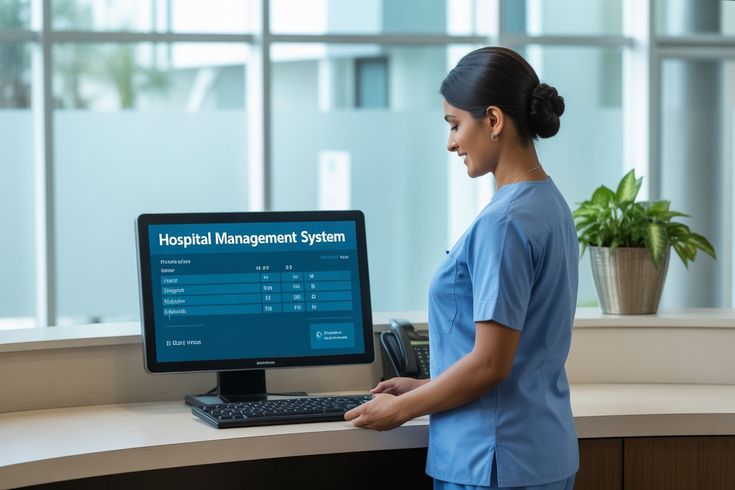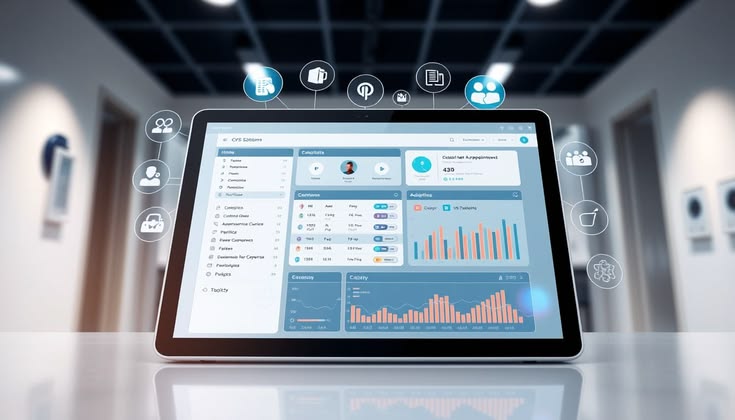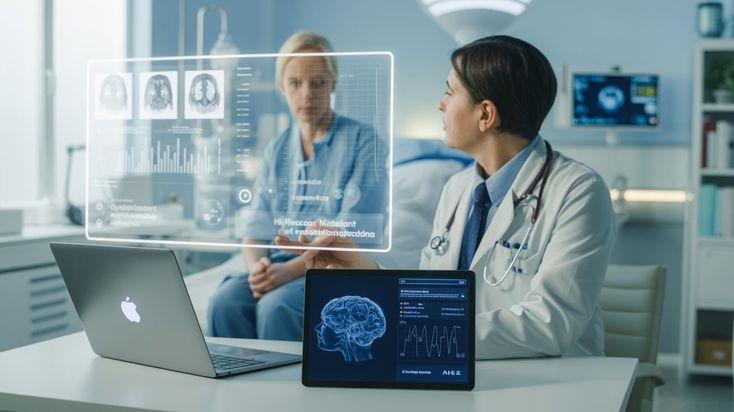


Multi-specialty hospitals operate in a highly complex environment where multiple departments, doctors, and patient types must be managed simultaneously. From cardiology and orthopedics to dermatology and pediatrics, coordination between specialties is critical for delivering seamless patient care. This is where Healthcare CRM Solutions for Multi-Specialty Hospitals play a transformative role by unifying operations, improving communication, and enhancing patient engagement across departments.
Centralized Patient Data Management
One of the biggest challenges in multi-specialty hospitals is fragmented patient data. Patients often visit different departments, leading to scattered records and communication gaps. Healthcare CRM solutions solve this issue by centralizing all patient information in one unified system.
This includes medical history, test results, prescriptions, appointment records, and communication logs. With a 360-degree patient view, doctors across specialties can easily access accurate and up-to-date information, improving diagnosis and treatment coordination.
Seamless Inter-Department Coordination
Multi-specialty hospitals require constant collaboration between departments. CRM systems improve this coordination by enabling real-time data sharing and communication between healthcare teams.
For example, a cardiologist and endocrinologist can simultaneously access a patient’s shared records and collaborate on treatment plans. This reduces delays, avoids duplicate tests, and ensures more accurate and efficient care delivery.
Intelligent Appointment Scheduling Across Specialties
Managing appointments across multiple departments can be complicated, especially in large hospitals with high patient volume. Healthcare CRM systems simplify this by offering intelligent scheduling tools that optimize doctor availability, room allocation, and patient flow.
Patients can book appointments across different specialties through a single platform, while the system automatically prevents scheduling conflicts. This ensures smoother operations and reduced waiting times.
Enhanced Patient Journey Management
A key benefit of Healthcare CRM Solutions for Multi-Specialty Hospitals is the ability to manage the entire patient journey—from registration to follow-ups—across multiple departments.
The CRM tracks every interaction a patient has with the hospital, ensuring continuity of care even when multiple specialists are involved. This creates a more personalized and structured healthcare experience for patients.
Integration with Diagnostic and Lab Systems
Multi-specialty hospitals rely heavily on diagnostic tests and lab reports. CRM systems integrate with laboratory and imaging systems to ensure that test results are automatically updated in patient records.
This eliminates manual data entry, reduces errors, and speeds up the treatment process. Doctors can instantly access lab reports within the CRM system, enabling faster clinical decisions.
AI-Driven Clinical Insights
Modern healthcare CRM platforms use artificial intelligence to generate actionable insights from patient data. In multi-specialty environments, AI helps identify patterns, suggest treatment pathways, and highlight high-risk patients.
For instance, AI can flag patients who require urgent follow-ups or detect correlations between symptoms treated across different departments. This improves early intervention and enhances overall patient outcomes.
Personalized Patient Engagement Across Specialties
Patients often interact with multiple departments, and maintaining consistent communication is essential. CRM systems enable personalized engagement through automated reminders, follow-ups, and health updates tailored to each patient’s condition.
Whether a patient is visiting a dermatologist or a cardiologist, the CRM ensures they receive relevant and timely communication. This improves patient satisfaction and strengthens long-term trust in the hospital.
Efficient Resource and Staff Management
Managing doctors, nurses, and equipment across multiple specialties requires advanced coordination. Healthcare CRM systems help optimize resource allocation by analyzing demand patterns and staff availability.
Hospitals can efficiently assign doctors to appointments, manage operating rooms, and schedule diagnostic equipment usage. This reduces bottlenecks and ensures better utilization of hospital resources.
Improved Referral Management
Multi-specialty hospitals frequently deal with internal referrals between departments. CRM solutions streamline this process by tracking referral status, updating patient records automatically, and notifying relevant specialists.
This ensures smooth transitions between departments and reduces the risk of missed or delayed consultations.
Data Security and Compliance in Large Hospitals
With large volumes of sensitive patient data, multi-specialty hospitals must maintain strict data security standards. Healthcare CRM systems provide robust security features such as encryption, role-based access control, and compliance with healthcare regulations.
These systems ensure that patient data remains secure while still being easily accessible to authorized medical professionals.
Better Reporting and Hospital Analytics
Healthcare CRM platforms generate detailed reports and analytics that help hospital administrators monitor performance across departments.
Key insights include patient volume trends, department efficiency, treatment outcomes, and appointment statistics. These insights help hospitals make data-driven decisions to improve overall efficiency and patient care quality.
Healthcare CRM Solutions for Multi-Specialty Hospitals are essential for managing the complexity of modern healthcare environments. By centralizing patient data, improving inter-department coordination, enabling intelligent scheduling, and enhancing patient engagement, CRM systems significantly improve hospital efficiency.
As healthcare continues to evolve, multi-specialty hospitals that adopt advanced CRM solutions will be better positioned to deliver integrated, efficient, and patient-centric care.