
Healthcare has changed significantly with the development of digital technology. Hospitals, clinics, healthcare professionals, and patients now have access to tools that can improve communication, simplify workflows, support diagnosis, and make healthcare services more accessible. From artificial intelligence and telemedicine to electronic health records and wearable devices, technology is creating new possibilities across almost every part of the healthcare industry.
Understanding How Technology Is Revolutionizing Healthcare highlights the growing role of digital solutions in creating more connected, efficient, and patient-centered healthcare systems.
Improving Access to Healthcare
Technology has made it easier for patients to connect with healthcare professionals without always needing to visit a healthcare facility. Telemedicine platforms allow consultations to take place through secure digital channels.
Patients in remote areas or those who have difficulty traveling can potentially access certain healthcare services from home. Online appointment systems also make scheduling more convenient by allowing patients to select available time slots digitally.
These technologies can improve accessibility while helping healthcare organizations manage appointments more efficiently.
Supporting Artificial Intelligence in Healthcare
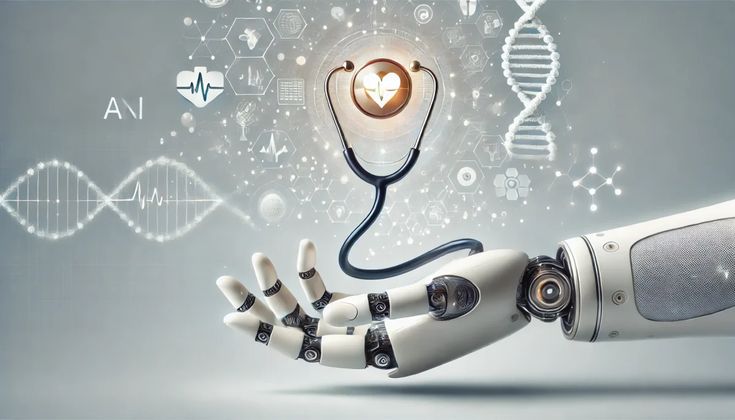
Artificial intelligence is becoming an important part of modern healthcare technology. AI systems can analyze large amounts of information, identify patterns, and provide insights that may support healthcare professionals.
Applications include medical image analysis, predictive analytics, virtual assistants, documentation support, and patient monitoring. AI can reduce repetitive workloads and help professionals process information more efficiently.
However, AI should be implemented with appropriate validation, privacy protections, and human oversight, particularly when used in clinical environments.
Advancing Medical Diagnostics
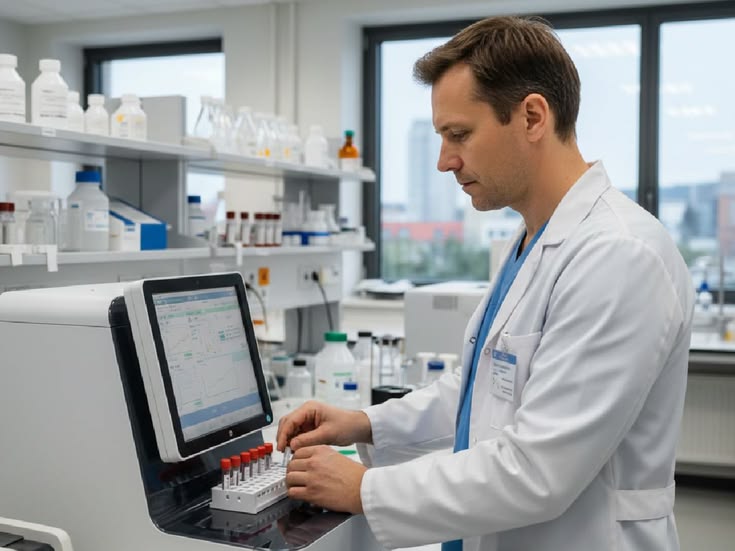
Digital technologies are improving the way medical information is collected and analyzed. Advanced imaging systems, laboratory technologies, and AI-assisted tools can support healthcare professionals in evaluating patient information.
Technology can help identify patterns and abnormalities that may require additional investigation. By providing additional information to clinicians, digital tools can support more informed decision-making.
Technology does not eliminate the need for professional expertise. Instead, it can provide healthcare teams with additional resources to complement their knowledge and experience.
Expanding Electronic Health Records
Electronic Health Records have transformed how patient information is stored and accessed. Instead of depending entirely on paper files, healthcare organizations can use digital systems to manage medical histories, test results, prescriptions, appointments, and other information.
When properly integrated, electronic records can make relevant information easier for authorized healthcare professionals to access. They can also reduce paperwork and support more coordinated care.
Strong cybersecurity, access controls, and privacy policies are essential when managing digital health information.
Enabling Remote Patient Monitoring
Wearable devices and connected healthcare technologies allow certain health-related information to be collected outside traditional healthcare settings.
Depending on the device and clinical use, patients may monitor measurements such as heart rate, activity, blood pressure, or glucose levels. Healthcare teams can use appropriate monitoring platforms to review trends and determine whether further evaluation may be necessary.
Remote monitoring can support ongoing care and may reduce the need for some routine in-person visits.
Improving Patient Communication
Digital communication has made interactions between healthcare organizations and patients more convenient. Healthcare providers can use secure messaging systems, patient portals, notifications, and digital appointment platforms to communicate important information.
Patients may receive appointment reminders, access selected health information, request services, or communicate with healthcare teams through approved digital channels.
Better communication can reduce missed appointments and help patients remain more informed about their healthcare journey.
Streamlining Healthcare Operations
Healthcare organizations manage numerous administrative processes every day. Technology can automate suitable tasks such as appointment scheduling, billing workflows, document management, notifications, inventory tracking, and reporting.
Automation can reduce repetitive manual work and allow staff to focus more attention on patient services.
Integrated healthcare software can also connect different departments and systems, helping organizations manage information more efficiently.
Enhancing Personalized Healthcare
Every patient has different needs, preferences, medical histories, and circumstances. Technology can help healthcare professionals use relevant patient information to provide more individualized care.
Data analytics and AI-based tools can identify patterns within appropriate datasets and support personalized recommendations or care planning. Personalized healthcare can improve the relevance of services while helping organizations better understand patient needs.
Clinical judgment and patient preferences should remain central to any personalized care approach.
Accelerating Medical Research
Technology is also transforming medical research. Researchers can process large datasets, analyze biological information, model potential treatments, and collaborate across geographical locations using digital platforms.
Artificial intelligence and machine learning can assist with identifying patterns and exploring potential relationships within complex datasets. These technologies may help researchers investigate new treatments and understand diseases more efficiently.
Laboratory research, clinical trials, and professional evaluation remain essential before new medical approaches can be widely adopted.
Strengthening Healthcare Data Security
As healthcare becomes more digital, protecting patient information becomes increasingly important. Healthcare organizations need strong cybersecurity measures to protect sensitive data from unauthorized access and other threats.
Encryption, secure authentication, access management, regular software updates, monitoring, and staff training can contribute to a stronger security framework.
Data protection is not simply a technical responsibility. It is also an important part of maintaining patient trust.
Creating Smarter Healthcare Systems
The future of healthcare is likely to involve greater integration between different technologies. AI, electronic health records, telemedicine, wearable devices, analytics platforms, and healthcare management systems can work together to create more connected digital environments.
Interoperability will be particularly important. Healthcare systems need to exchange appropriate information securely so that professionals can access relevant data when needed.
How Technology Is Revolutionizing Healthcare can be seen through improvements in accessibility, diagnostics, communication, patient monitoring, administration, research, and personalized care. Digital technology is helping healthcare organizations become more connected and efficient while giving patients new ways to access and manage healthcare services.
The successful adoption of technology requires more than simply introducing new software or devices. Healthcare organizations must consider privacy, cybersecurity, usability, interoperability, staff training, and patient safety. When implemented responsibly, technology can support healthcare professionals and contribute to a more efficient, accessible, and patient-centered future.