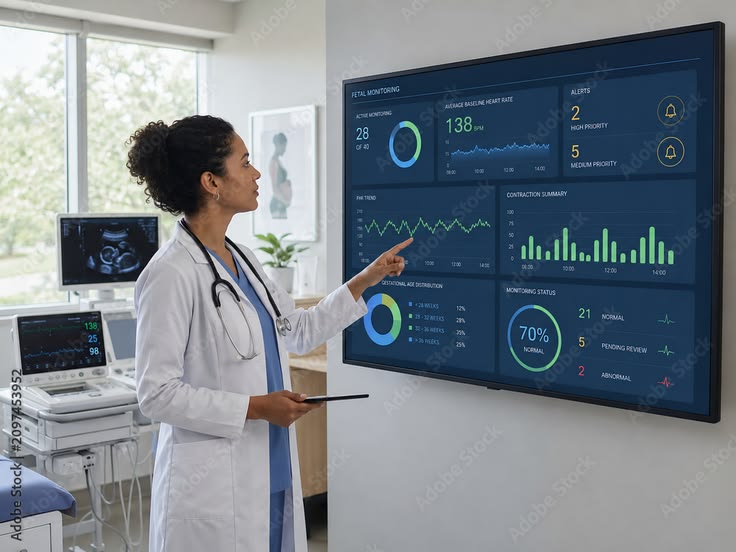

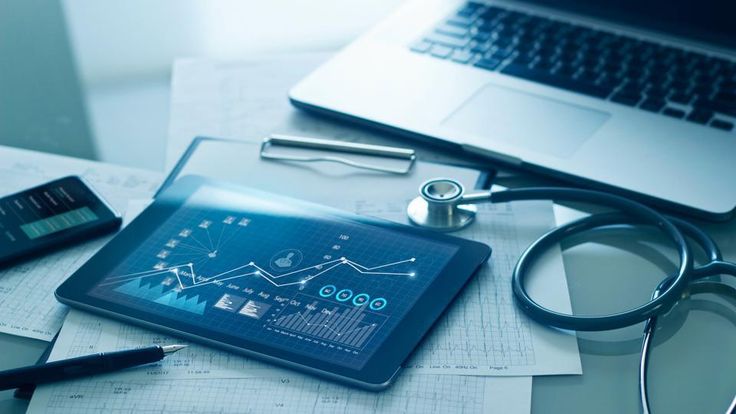
Healthcare organizations are increasingly adopting digital technologies to improve the quality, efficiency, and coordination of patient services. One of the most important technologies supporting this transformation is the Electronic Medical Record, commonly known as an EMR. Understanding Why Electronic Medical Records Improve Patient Care helps explain how digital patient information can support healthcare professionals, improve coordination, reduce administrative challenges, and create a more organized care experience.
Electronic Medical Records allow authorized healthcare professionals to store and access patient information digitally. Depending on the system, an EMR may contain medical histories, diagnoses, medications, allergies, test results, treatment information, clinical notes, and other relevant healthcare data.
Provides Faster Access to Patient Information
One of the primary advantages of EMRs is quick access to relevant patient information. Healthcare professionals can retrieve authorized records through a digital system rather than relying on paper files.
Having important information available when needed can help healthcare professionals review a patient’s history more efficiently. This can be particularly useful when patients have multiple visits, different providers, or complex care requirements.
Faster access to information can also reduce unnecessary delays in routine healthcare workflows.
Supports Better Clinical Decision-Making
Healthcare professionals need accurate and relevant information when assessing patients and planning care. EMRs can bring different types of patient information together in one digital environment.
Medical histories, medication information, laboratory results, previous diagnoses, and clinical notes can provide useful context. Having this information readily available can support informed professional decision-making.
EMRs are not a replacement for clinical expertise. Instead, they provide healthcare professionals with organized information that can support their assessment and treatment decisions.
Reduces Documentation Errors
Paper-based records can be difficult to read, misplaced, duplicated, or incomplete. Digital records can provide structured fields and standardized documentation processes that help reduce certain types of administrative errors.
For example, electronic systems can use required fields, alerts, validation rules, and standardized formats to encourage more complete documentation.
However, the quality of an EMR depends on how accurately information is entered and how effectively the system is used. Human review remains important.
Improves Care Coordination
Patients may interact with different healthcare professionals during their care journey. Without effective information sharing, important details may be difficult to communicate between departments or providers.
EMRs can support coordinated care by making relevant information available to authorized users. This can help healthcare teams understand previous interactions and coordinate services more effectively.
Better coordination can be particularly valuable when patients require referrals, follow-up appointments, diagnostic testing, or ongoing treatment.
Makes Medication Management Safer
Medication information is an important part of patient care. EMR systems can maintain digital records of medications and may provide alerts related to certain prescribing or documentation issues, depending on the system.
Healthcare professionals can review existing medication information before making treatment decisions. This can support safer medication management and reduce the risk of certain avoidable errors.
Organizations should configure and maintain these systems carefully because automated alerts and decision-support features are not infallible.
Improves Access to Test Results
Traditional paper-based processes can make it difficult to locate previous laboratory or diagnostic results. EMRs can organize test results digitally and make them accessible to authorized healthcare professionals.
Having previous results available can help healthcare teams compare information over time and avoid unnecessary duplication where appropriate.
Digital access can also improve workflow efficiency by reducing the need to manually locate or transfer physical documents.
Supports Patient Engagement
Modern EMR systems may include patient portals and other digital communication features. Depending on the system, patients may be able to view selected health information, appointment details, test results, or educational resources.
Giving patients appropriate access to their information can encourage greater involvement in their healthcare. It can also make administrative interactions more convenient.
Patient access should always be managed through appropriate authentication, privacy controls, and organizational policies.
Enables Better Follow-Up
Consistent follow-up can be an important part of ongoing care. EMR systems can help healthcare teams document previous interactions and track relevant appointments, treatment plans, and follow-up requirements.
Some systems can also integrate reminders and workflow tools to help staff manage scheduled activities. This can reduce the risk of routine follow-up tasks being overlooked.
Supports Data-Driven Healthcare
Healthcare organizations generate large amounts of information. Digital medical records can provide structured data that supports reporting, quality improvement, operational planning, and healthcare research when used appropriately.
Organizations can analyze aggregated information to identify trends, monitor performance, and improve workflows. Data analysis can help healthcare leaders make informed decisions about resource allocation and service delivery.
Any secondary use of health information should follow applicable privacy, security, consent, and regulatory requirements.
Enhances Healthcare Efficiency
EMRs can reduce reliance on paper documentation and manual record management. Healthcare staff can spend less time searching for physical files, copying information, and transferring documents between departments.
Automating certain administrative workflows can improve efficiency and allow staff to dedicate more time to patient-facing responsibilities.
The actual benefits depend on system usability, staff training, workflow design, and proper implementation.
Strengthens Information Security
Electronic records can include security features that are difficult to implement consistently with paper records. Depending on the platform, these may include user authentication, role-based access, audit trails, encryption, backups, and access monitoring.
These controls can help organizations protect patient information and track access to sensitive records.
Healthcare organizations must still maintain strong cybersecurity practices and comply with applicable data protection requirements.
Supports Continuity of Care
Continuity of care becomes easier when relevant patient information is available to authorized healthcare professionals over time. EMRs can provide a more complete digital history of healthcare interactions within the system.
This can help providers understand previous care, current needs, and relevant patient information when planning subsequent services.
A connected and well-maintained record can therefore contribute to a more consistent healthcare experience.
Understanding Why Electronic Medical Records Improve Patient Care highlights the role digital records play in modern healthcare. EMRs can provide faster access to information, support clinical decision-making, improve care coordination, assist medication management, simplify documentation, and enable more efficient follow-up.
The effectiveness of an EMR depends on accurate data, appropriate workflows, staff training, system usability, privacy protections, and responsible implementation. When these elements are combined, Electronic Medical Records can provide a strong digital foundation for safer, more coordinated, and patient-focused healthcare delivery.