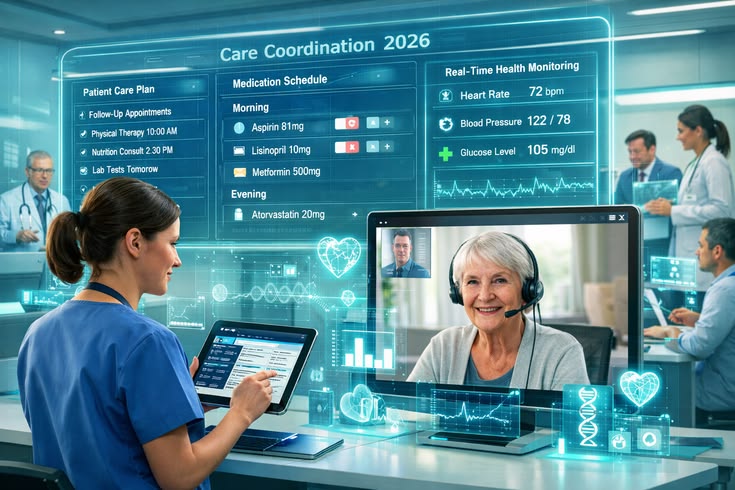

Effective communication is an essential part of modern healthcare. Patients need clear information about appointments, treatments, follow-ups, medications, and healthcare services, while healthcare providers need reliable ways to communicate with patients and care teams. Patient Communication Platforms Explained provides an overview of how digital communication systems can help healthcare organizations create more connected, convenient, and patient-focused experiences.
What Are Patient Communication Platforms?
Patient communication platforms are digital systems designed to help healthcare providers communicate with patients through different channels. Depending on the solution, these platforms may include secure messaging, appointment reminders, notifications, email, SMS, mobile applications, video communication, and patient portals.
Instead of managing communication through separate tools, healthcare organizations can use an integrated platform to organize different interactions within a connected environment.
Why Patient Communication Matters
Clear communication can influence how patients interact with healthcare services. Patients need timely information before, during, and after appointments. Delayed or unclear communication can result in missed appointments, confusion, and unnecessary administrative work.
Digital communication platforms provide healthcare organizations with additional ways to deliver relevant information efficiently while making it easier for patients to stay connected with their care providers.
Appointment Reminders and Notifications
Missed appointments can affect both patients and healthcare organizations. Communication platforms can send automated reminders through suitable channels such as SMS, email, or app notifications.
Patients can receive information about appointment dates, times, locations, preparation instructions, and changes. Automated notifications can reduce the need for staff to make repetitive reminder calls while helping patients stay informed.
Secure Patient Messaging
Secure messaging allows patients to communicate with healthcare teams through a protected digital environment. Patients may use messaging features to share appropriate information, request assistance, or receive updates from authorized healthcare staff.
Healthcare organizations should ensure that communication platforms follow applicable privacy and security requirements when handling sensitive patient information.
Supporting Virtual Communication
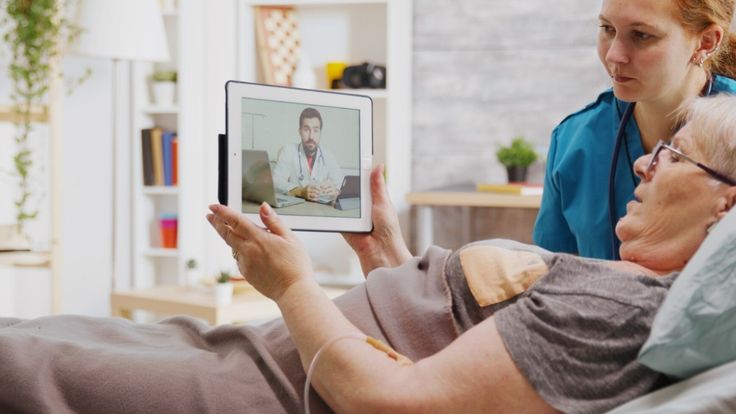
Some patient communication platforms can include video consultation capabilities. Virtual communication can provide another option for appropriate consultations, follow-ups, and healthcare interactions.
Video-based communication can be particularly useful when an in-person visit is not necessary or when patients face challenges traveling to a healthcare facility.
Improving Patient Engagement
Patient engagement involves keeping individuals informed and involved throughout their healthcare journey. Communication platforms can support engagement by providing timely reminders, educational resources, appointment information, and follow-up messages.
A convenient communication experience can encourage patients to interact more consistently with healthcare services.
Connecting Different Communication Channels
Patients have different communication preferences. Some may prefer text messages, while others may use email, mobile applications, patient portals, or phone-based communication.
A multi-channel platform can help healthcare organizations manage communication across different channels. Centralizing these interactions can make communication workflows easier to organize and monitor.
Supporting Follow-Up Care
Communication does not end after an appointment. Patients may require follow-up instructions, reminders, additional information, or future appointments.
Patient communication platforms can help healthcare teams maintain communication after consultations. Automated messages and scheduled notifications can support ongoing engagement while reducing the burden of manual follow-up processes.
Improving Healthcare Staff Efficiency
Healthcare staff often spend considerable time managing routine communication tasks. Automated reminders, notifications, and message workflows can reduce repetitive administrative activities.
By automating suitable communication processes, staff can spend more time on responsibilities that require direct attention and professional judgment.
Enhancing Patient Experience
A smooth communication process can contribute to a better overall patient experience. Patients can receive information through convenient digital channels without always needing to contact a healthcare facility by phone.
Easy access to appointment details, reminders, instructions, and communication options can make healthcare interactions more convenient and organized.
Supporting Healthcare Workflow Integration
Patient communication platforms can be integrated with other healthcare technologies, depending on the system. Integration with electronic health records, healthcare CRM systems, scheduling software, and patient portals can create more connected workflows.
When systems exchange relevant information effectively, healthcare teams can reduce duplicated data entry and improve coordination.
Protecting Patient Data
Security is a major consideration when implementing digital communication solutions. Patient communication may contain sensitive information that requires appropriate protection.
Healthcare organizations should consider authentication, access controls, encryption, audit capabilities, secure data storage, and applicable privacy regulations when selecting a communication platform. Staff should also receive appropriate training on secure communication practices.
Using Automation Responsibly
Automation can improve communication efficiency, but it should be used carefully. Not every healthcare interaction should be automated. Messages involving complex clinical decisions or sensitive situations may require direct communication with an appropriately qualified healthcare professional.
Organizations should create clear workflows that identify which communications can be automated and which require human involvement.
Measuring Communication Performance
Digital platforms can provide useful information about communication activities. Depending on the system, organizations may be able to monitor message delivery, appointment reminders, patient responses, engagement levels, and other operational metrics.
These insights can help healthcare teams identify communication gaps and improve future patient engagement strategies.
Future of Patient Communication Platforms
The future of patient communication is likely to involve greater integration between healthcare systems, mobile applications, artificial intelligence, automation, and personalized communication.
AI-powered tools may assist with routine inquiries and communication workflows, while integrated platforms can help healthcare providers deliver more connected patient experiences. Human oversight will remain important for clinical and sensitive interactions.