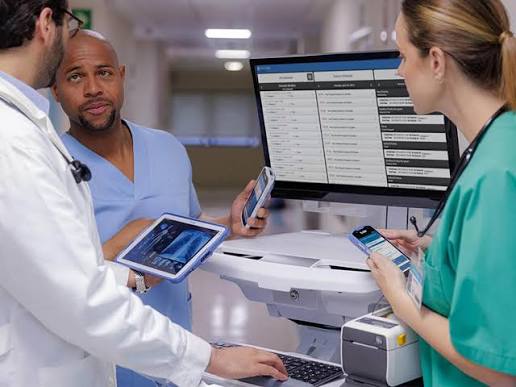

The healthcare industry is evolving rapidly as organizations embrace digital technologies to improve patient care, streamline operations, and enhance clinical outcomes. Benefits of Digital Transformation in Healthcare are becoming increasingly evident as hospitals, clinics, diagnostic centers, and healthcare providers adopt modern digital solutions. From electronic health records and telemedicine to artificial intelligence and remote patient monitoring, digital transformation is creating a more connected, efficient, and patient-centered healthcare system.
Healthcare organizations are no longer relying solely on traditional paper-based processes. Instead, they are investing in advanced technologies that improve communication, simplify administrative tasks, enhance decision-making, and deliver more personalized care. Digital transformation not only improves operational efficiency but also strengthens the overall healthcare experience for both patients and medical professionals.
Understanding Digital Transformation in Healthcare
Digital transformation in healthcare refers to the integration of modern technologies into healthcare services, clinical workflows, and administrative operations. It involves using digital platforms, cloud computing, artificial intelligence, automation, and connected medical devices to improve healthcare delivery.
The goal is to create efficient healthcare systems that support better patient outcomes while reducing manual processes, minimizing errors, and improving collaboration among healthcare teams.
Improving Patient Care
One of the greatest benefits of digital transformation is its positive impact on patient care. Digital technologies enable healthcare providers to access accurate patient information quickly, allowing them to make informed clinical decisions.
Patients benefit from:
- Faster diagnoses
- Improved treatment planning
- Better communication
- Easier access to healthcare services
- Personalized care experiences
- More efficient follow-up care
By reducing delays and improving information availability, healthcare providers can deliver timely and effective treatment.
Electronic Health Records Enhance Care Coordination
Electronic Health Records (EHRs) have transformed how patient information is managed. Instead of maintaining paper files, healthcare providers can securely access medical histories, prescriptions, laboratory results, imaging reports, allergies, and treatment plans from centralized digital systems.
EHRs improve collaboration between healthcare professionals, reduce duplicate testing, and ensure continuity of care across multiple departments and healthcare facilities.
Patients receive more coordinated treatment because healthcare teams have access to accurate and up-to-date information.
Telemedicine Expands Healthcare Access
Telemedicine has become an essential component of digital healthcare. Patients can consult healthcare professionals remotely using secure video calls and online communication platforms.
Key advantages include:
- Reduced travel requirements
- Faster access to medical advice
- Convenient follow-up appointments
- Improved healthcare access for remote communities
- Better chronic disease management
- Increased patient convenience
Telemedicine enables healthcare providers to reach more patients while maintaining continuity of care.
Artificial Intelligence Improves Clinical Decision-Making
Artificial intelligence supports healthcare professionals by analyzing large volumes of clinical data and identifying meaningful patterns.
AI applications include:
- Medical imaging analysis
- Disease prediction
- Clinical decision support
- Personalized treatment recommendations
- Administrative workflow automation
- Virtual healthcare assistants
These technologies improve efficiency while helping healthcare professionals make more accurate and timely decisions.
Remote Patient Monitoring Supports Continuous Care
Remote patient monitoring allows healthcare providers to observe patient health outside traditional healthcare facilities using connected medical devices.
These systems monitor important health indicators such as:
- Blood pressure
- Heart rate
- Blood glucose levels
- Oxygen saturation
- Weight
- Medication adherence
Continuous monitoring enables early detection of health changes, allowing healthcare providers to intervene before conditions worsen.
Better Patient Engagement
Digital transformation encourages patients to become active participants in managing their health. Patient portals and mobile healthcare applications provide secure access to medical records, appointment scheduling, prescription requests, laboratory results, and communication with healthcare providers.
Greater patient engagement often leads to:
- Improved treatment adherence
- Better understanding of health conditions
- Stronger communication
- Increased patient satisfaction
- Improved long-term health outcomes
Empowered patients are more likely to follow treatment plans and maintain healthier lifestyles.
Streamlined Administrative Operations
Administrative processes consume significant time and resources within healthcare organizations. Digital transformation automates many routine tasks, allowing healthcare professionals to focus more on patient care.
Automation supports:
- Appointment scheduling
- Patient registration
- Billing processes
- Insurance verification
- Medical documentation
- Workflow management
These improvements increase operational efficiency while reducing administrative burdens.
Improved Data Security
Protecting patient information is essential in modern healthcare. Digital transformation includes advanced cybersecurity measures that safeguard confidential medical records and organizational data.
Important security practices include:
- Data encryption
- Secure cloud storage
- Multi-factor authentication
- Role-based access controls
- Continuous security monitoring
- Regular system updates
Strong security measures protect patient privacy while supporting compliance with healthcare regulations.
Cloud Computing Enhances Collaboration
Cloud technology enables healthcare organizations to securely store and share medical information across departments and facilities.
Benefits of cloud-based healthcare systems include:
- Secure data access
- Improved collaboration
- Automatic backups
- Disaster recovery support
- Scalable infrastructure
- Faster information sharing
Healthcare professionals can access patient information whenever needed, improving efficiency and continuity of care.
Data Analytics Supports Better Decisions
Healthcare organizations generate large volumes of operational and clinical data. Advanced analytics tools transform this information into actionable insights that support informed decision-making.
Data analytics helps organizations:
- Monitor patient outcomes
- Identify healthcare trends
- Optimize resource allocation
- Improve operational efficiency
- Evaluate treatment effectiveness
- Support population health management
Evidence-based decisions contribute to improved healthcare quality and organizational performance.
Enhancing Patient Safety
Digital technologies reduce medical errors and improve patient safety through automated alerts, standardized documentation, and clinical decision support systems.
Technology improves safety by supporting:
- Electronic prescribing
- Medication interaction alerts
- Clinical reminders
- Accurate patient identification
- Standardized treatment documentation
These tools help healthcare providers deliver safer and more reliable care.
Supporting Personalized Healthcare
Digital transformation enables personalized treatment by combining patient history, diagnostic information, lifestyle factors, and health data to create individualized care plans.
Healthcare providers can tailor treatments according to each patient’s specific needs, improving treatment effectiveness and overall patient satisfaction.
Personalized healthcare also encourages preventive care by identifying potential health risks earlier.
Increasing Operational Efficiency
Healthcare organizations benefit from improved efficiency through integrated digital systems that reduce duplication, simplify communication, and automate routine workflows.
Greater efficiency leads to:
- Faster service delivery
- Reduced operational costs
- Improved staff productivity
- Better resource utilization
- Shorter patient waiting times
- Higher patient satisfaction
Efficient operations enable healthcare providers to serve more patients without compromising quality.
Preparing Healthcare for the Future
Digital transformation provides healthcare organizations with the flexibility to adopt emerging technologies such as predictive analytics, robotics, the Internet of Medical Things (IoMT), virtual reality, augmented reality, and advanced artificial intelligence solutions.
Future-ready digital infrastructure supports continuous innovation while helping healthcare providers adapt to changing patient expectations and evolving medical practices.
Benefits of Digital Transformation in Healthcare extend across every aspect of modern healthcare delivery. From improving patient care and enhancing communication to streamlining administrative operations, strengthening cybersecurity, and supporting data-driven decision-making, digital technologies are reshaping the healthcare industry. By embracing digital transformation, healthcare organizations can improve efficiency, deliver more personalized care, enhance patient safety, and build resilient healthcare systems prepared for the future. Investing in digital healthcare solutions is no longer an option but a strategic step toward providing high-quality, accessible, and patient-centered healthcare services.