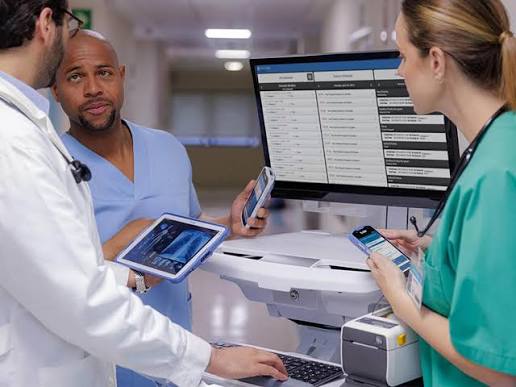

Healthcare is evolving rapidly as technology continues to improve the way medical services are delivered, managed, and experienced. How Technology Is Transforming Patient Care is evident in every stage of the healthcare journey, from scheduling appointments and accessing medical records to receiving accurate diagnoses and ongoing treatment. Modern digital solutions enable healthcare providers to deliver more efficient, personalized, and accessible care while empowering patients to take a more active role in managing their health.
Hospitals, clinics, and healthcare organizations are increasingly adopting innovative technologies to improve communication, streamline clinical workflows, reduce administrative burdens, and enhance patient outcomes. These advancements are creating a connected healthcare environment that benefits both medical professionals and patients.
The Digital Evolution of Patient Care
Technology has become an essential part of modern healthcare. Traditional paper-based systems and manual processes are being replaced by digital platforms that improve efficiency and accuracy. Patients can now schedule appointments online, access medical records securely, communicate with healthcare providers, and receive follow-up care through digital channels.
Healthcare professionals also benefit from faster access to patient information, allowing them to make informed decisions and coordinate care more effectively. This digital transformation is improving the quality of healthcare services while making them more convenient for patients.
Artificial Intelligence Enhances Clinical Decision-Making
Artificial intelligence (AI) is changing how healthcare professionals diagnose diseases, interpret medical data, and develop treatment plans. AI-powered systems can analyze large datasets, recognize patterns, and provide valuable insights that support faster and more accurate clinical decisions.
Healthcare providers use AI for:
- Medical image analysis
- Disease risk prediction
- Clinical decision support
- Personalized treatment recommendations
- Administrative workflow automation
- Virtual health assistants
By reducing the time required for repetitive tasks, AI allows healthcare professionals to spend more time focusing on patient care.
Telemedicine Expands Healthcare Access
Telemedicine has become a valuable solution for providing healthcare beyond traditional clinical settings. Through secure video consultations and digital communication platforms, patients can connect with healthcare professionals from their homes or workplaces.
Telemedicine offers several advantages, including:
- Improved access to healthcare services
- Reduced travel time
- Faster medical consultations
- Convenient follow-up appointments
- Better chronic disease management
- Increased healthcare accessibility for remote communities
This technology supports continuity of care while improving patient convenience.
Electronic Health Records Improve Coordination
Electronic Health Records (EHRs) provide secure digital access to patient medical information. Healthcare professionals can quickly review medical histories, prescriptions, allergies, laboratory results, imaging reports, and treatment plans from a centralized system.
EHRs improve communication among healthcare teams, reduce duplicate testing, minimize documentation errors, and support coordinated patient care across multiple departments and facilities.
Patients also benefit from more consistent and informed healthcare experiences.
Remote Patient Monitoring Supports Continuous Care
Remote patient monitoring enables healthcare providers to observe patient health outside hospitals and clinics through connected medical devices.
These technologies monitor important health indicators such as:
- Blood pressure
- Blood glucose levels
- Heart rate
- Oxygen saturation
- Weight changes
- Medication adherence
Continuous monitoring allows healthcare providers to identify changes early and respond before conditions become more serious, improving long-term health management.
Wearable Devices Encourage Preventive Healthcare
Wearable health technologies have become increasingly popular for monitoring personal wellness. Smartwatches, fitness trackers, and medical monitoring devices collect real-time health data that supports preventive healthcare.
These devices help users monitor physical activity, sleep quality, heart rate, and other health indicators while encouraging healthier lifestyle choices.
Healthcare providers can also use wearable data to monitor treatment progress and recommend personalized care plans.
Digital Appointment Scheduling Simplifies Healthcare
Technology has significantly improved the appointment booking process. Patients can schedule consultations online, receive automated reminders, confirm appointments digitally, and access healthcare services more conveniently.
Digital scheduling systems help reduce missed appointments while improving clinic efficiency and patient satisfaction.
Healthcare staff also spend less time managing administrative tasks, allowing greater focus on patient support.
Patient Portals Improve Communication
Patient portals provide secure online access to personal healthcare information and services. Through these platforms, patients can:
- View medical records
- Access laboratory results
- Request prescription renewals
- Schedule appointments
- Communicate with healthcare providers
- Receive treatment instructions
Easy access to healthcare information encourages greater patient engagement and supports informed decision-making.
Data Analytics Improves Healthcare Outcomes
Healthcare organizations generate vast amounts of clinical and operational data. Advanced analytics help transform this information into actionable insights that improve patient care and organizational performance.
Data analytics supports:
- Disease trend identification
- Population health management
- Resource planning
- Treatment effectiveness evaluation
- Operational efficiency
- Quality improvement initiatives
These insights enable healthcare providers to make evidence-based decisions that improve patient outcomes.
Strengthening Patient Safety Through Technology
Technology enhances patient safety by reducing medical errors and improving communication throughout the healthcare process.
Digital systems support safety through:
- Electronic prescribing
- Medication interaction alerts
- Clinical decision support
- Standardized documentation
- Secure patient identification
- Automated reminders
These technologies help healthcare professionals deliver safer and more reliable care.
Cloud Computing Supports Modern Healthcare
Cloud-based healthcare systems provide secure access to patient information from multiple locations while improving collaboration between healthcare professionals.
Cloud technology offers several advantages:
- Secure data storage
- Faster information sharing
- Automatic backups
- Improved disaster recovery
- Scalable infrastructure
- Enhanced collaboration
Healthcare organizations benefit from greater operational flexibility while maintaining data security.
Cybersecurity Protects Patient Information
As healthcare becomes increasingly digital, protecting sensitive patient information remains essential. Healthcare providers implement strong cybersecurity measures to safeguard confidential medical data and maintain patient trust.
Important security practices include:
- Data encryption
- Multi-factor authentication
- Secure access controls
- Regular security updates
- Network monitoring
- Staff cybersecurity awareness
These measures help healthcare organizations protect patient privacy while complying with data protection regulations.
Personalized Patient Care
Technology enables healthcare providers to deliver more personalized care by analyzing patient history, diagnostic information, lifestyle factors, and treatment responses.
Personalized healthcare supports tailored treatment plans that address each patient’s individual needs, improving treatment effectiveness and patient satisfaction.
Digital tools also help healthcare professionals monitor progress and adjust care plans when necessary.
The Future of Patient Care Technology
Healthcare technology continues to evolve with innovations such as artificial intelligence, predictive analytics, robotics, virtual reality, augmented reality, and the Internet of Medical Things (IoMT). These technologies will further improve diagnostic accuracy, streamline healthcare operations, and enhance patient experiences.
As digital transformation continues, healthcare organizations will increasingly focus on integrating advanced technologies while maintaining high standards of quality, security, and patient-centered care.
How Technology Is Transforming Patient Care is evident through the growing adoption of artificial intelligence, telemedicine, electronic health records, wearable devices, remote monitoring, cloud computing, and advanced data analytics. These technologies are making healthcare more efficient, accessible, and personalized while improving communication between patients and healthcare providers. By embracing digital innovation, healthcare organizations can enhance patient experiences, improve clinical outcomes, and build a stronger, more connected healthcare system for the future.