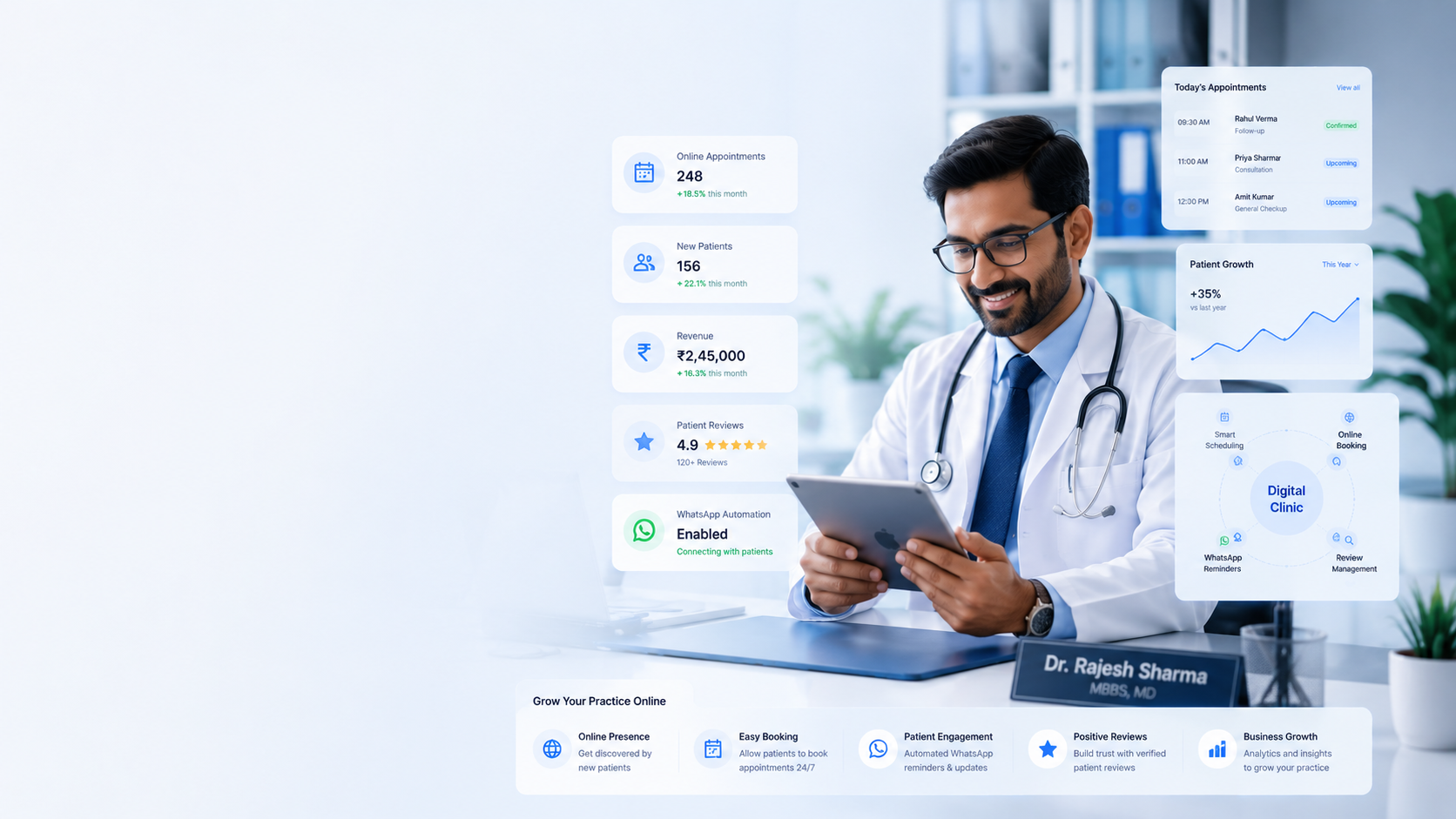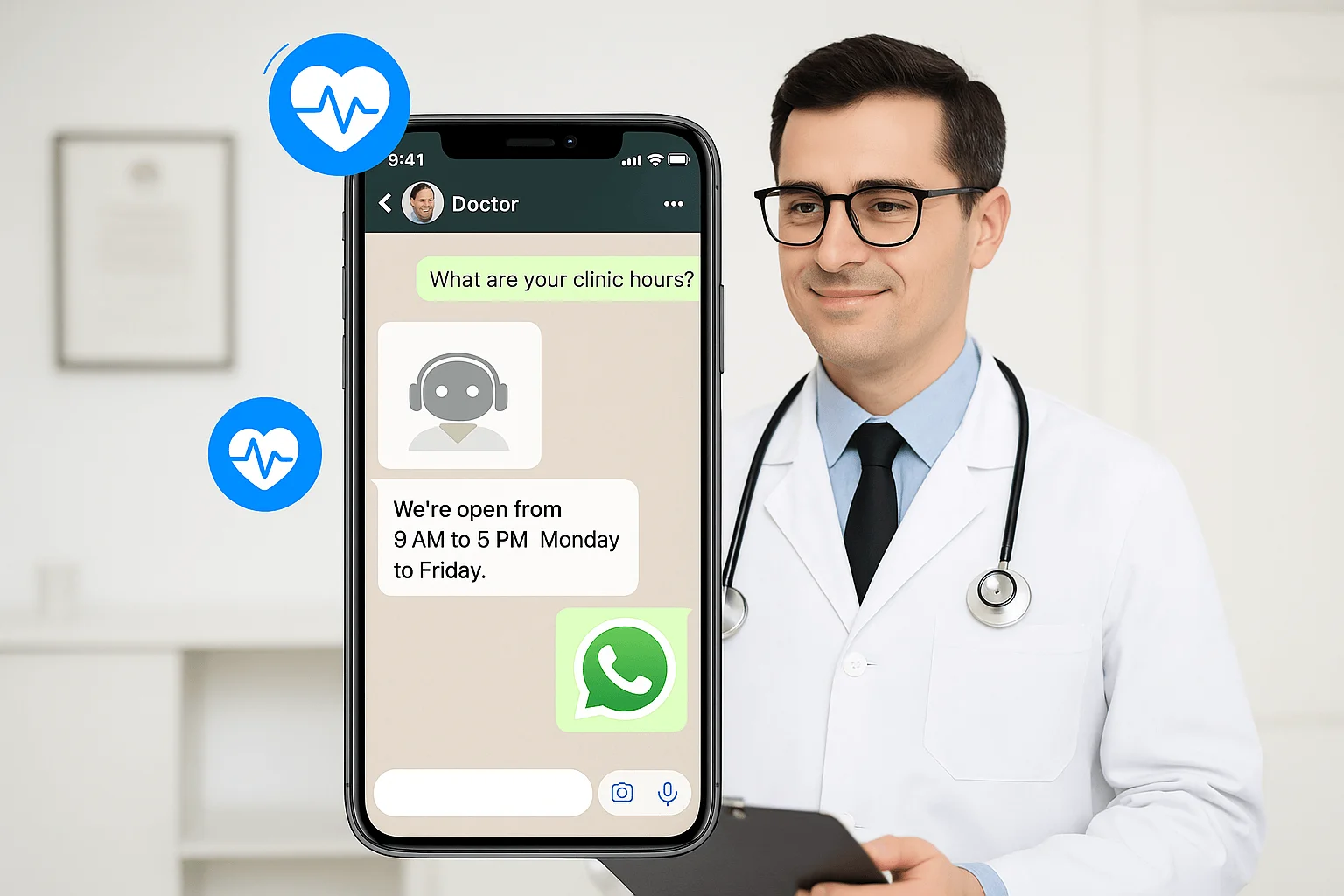


How Virtual Care Improves Healthcare Services is becoming a major topic in modern healthcare as digital technology transforms the way patients receive medical attention. Virtual care allows healthcare providers to deliver consultations, follow-up appointments, health monitoring, and medical guidance through secure digital platforms. This approach improves accessibility, reduces waiting times, and ensures patients receive timely care without always needing to visit a healthcare facility.
The growing demand for convenient and efficient healthcare has accelerated the adoption of virtual care across hospitals, clinics, and private practices. Patients can communicate with healthcare professionals through video calls, mobile applications, and online portals, making healthcare more accessible than ever before. Virtual care not only enhances patient satisfaction but also helps healthcare organizations improve operational efficiency and expand their services.
Understanding Virtual Care
Virtual care refers to healthcare services delivered remotely using digital communication technologies. It includes online consultations, remote patient monitoring, digital prescriptions, follow-up appointments, health education, and secure messaging between patients and healthcare providers.
Unlike traditional in-person visits, virtual care allows patients to receive medical advice from the comfort of their homes while maintaining continuity of care. It combines modern technology with professional healthcare services to create a more connected and patient-centered experience.
Improved Access to Healthcare
One of the greatest advantages of virtual care is its ability to improve access to healthcare services. Many patients face challenges such as long travel distances, limited transportation, busy schedules, or mobility issues that make visiting healthcare facilities difficult.
Virtual care removes these barriers by allowing patients to connect with healthcare professionals remotely. This is especially valuable for individuals living in rural or underserved areas where access to specialized healthcare may be limited.
By making healthcare more accessible, virtual care encourages patients to seek medical advice earlier, leading to better health outcomes.
Greater Convenience for Patients
Convenience plays a significant role in patient satisfaction. Virtual care enables patients to schedule consultations without taking extended time away from work or family responsibilities.
Patients can:
- Attend appointments from home
- Receive medical guidance quickly
- Access digital prescriptions
- Review medical records online
- Communicate securely with healthcare providers
This flexibility improves the overall patient experience while reducing unnecessary travel and waiting times.
Reduced Waiting Times
Traditional healthcare settings often involve long waiting periods for appointments and consultations. Virtual care streamlines appointment scheduling and enables healthcare providers to manage patient interactions more efficiently.
Many routine consultations, follow-up visits, and medication reviews can be completed virtually, allowing healthcare professionals to serve more patients in less time. Reduced waiting times improve patient satisfaction and support timely medical intervention.
Better Management of Chronic Conditions
Patients living with chronic conditions require continuous monitoring and regular communication with healthcare providers. Virtual care simplifies ongoing disease management through remote monitoring tools and digital consultations.
Healthcare professionals can monitor conditions such as:
- Diabetes
- Hypertension
- Heart disease
- Asthma
- Chronic respiratory disorders
Regular virtual check-ins help identify health concerns early and allow treatment plans to be adjusted promptly, reducing the risk of complications.
Enhanced Patient Engagement
Virtual care encourages patients to take an active role in managing their health. Digital platforms provide access to educational resources, appointment reminders, treatment plans, and secure communication with healthcare professionals.
Patients become more informed about their conditions and are more likely to follow medical advice when they have easy access to support and information. Increased engagement often leads to improved treatment adherence and better health outcomes.
Improved Healthcare Efficiency
Healthcare providers benefit significantly from virtual care by optimizing workflows and reducing administrative burdens. Digital appointment scheduling, electronic documentation, and automated follow-up reminders improve operational efficiency.
Virtual consultations also reduce overcrowding in healthcare facilities, allowing providers to focus in-person resources on patients requiring physical examinations or specialized treatments.
This balanced approach improves resource utilization while maintaining high-quality patient care.
Secure Communication and Digital Records
Modern virtual care platforms incorporate secure communication systems that protect patient information while facilitating collaboration between healthcare providers and patients.
Features often include:
- Secure video consultations
- Encrypted messaging
- Electronic health records
- Digital prescriptions
- Online appointment management
- Patient portals
These digital tools improve communication while ensuring sensitive medical information remains protected.
Cost Savings for Patients and Providers
Virtual care can reduce healthcare costs for both patients and healthcare organizations. Patients save money on transportation, parking, childcare, and time away from work. Healthcare providers benefit from improved scheduling efficiency, optimized resource allocation, and reduced administrative expenses.
These cost savings contribute to more sustainable healthcare delivery without compromising the quality of patient care.
Supporting Preventive Healthcare
Preventive care is essential for maintaining long-term health. Virtual care makes preventive healthcare more accessible through routine wellness consultations, health education, lifestyle counseling, and regular follow-up appointments.
Healthcare providers can encourage healthy behaviors, monitor risk factors, and identify potential health concerns before they become more serious. Early intervention helps improve patient outcomes while reducing the need for complex treatments.
Scalability for Growing Healthcare Organizations
As patient demand continues to increase, healthcare organizations require scalable solutions that support efficient service delivery. Virtual care platforms allow providers to expand their reach without significantly increasing physical infrastructure.
Hospitals, clinics, and healthcare networks can serve larger patient populations while maintaining consistent quality of care. This scalability supports long-term growth and enables healthcare organizations to adapt to changing patient needs.
Future of Healthcare Services
Virtual care continues to evolve with advancements in artificial intelligence, wearable health devices, remote monitoring technologies, and digital health platforms. These innovations are creating more personalized, data-driven healthcare experiences that improve both patient outcomes and operational efficiency.
As technology advances, virtual care will play an increasingly important role in delivering accessible, efficient, and patient-focused healthcare services across diverse medical specialties.
How Virtual Care Improves Healthcare Services is evident through its ability to increase accessibility, reduce waiting times, enhance patient engagement, and support continuous care. By combining digital communication with professional medical expertise, virtual care creates a more convenient and efficient healthcare experience for both patients and providers.
As healthcare organizations continue embracing digital transformation, virtual care will remain a vital component of modern healthcare delivery. Its flexibility, scalability, and patient-centered approach make it an essential solution for improving healthcare services, strengthening patient relationships, and supporting better health outcomes in an increasingly connected world.