
The Importance of Smart Clinic Automation continues to grow as healthcare providers embrace digital technologies to improve efficiency, enhance patient experiences, and deliver high-quality medical services. Managing a modern clinic involves numerous administrative and clinical tasks, including appointment scheduling, patient registration, billing, medical records, follow-up care, and communication. Performing these tasks manually can be time-consuming, increase the risk of errors, and reduce the time healthcare professionals can dedicate to patient care.
Smart clinic automation streamlines daily operations by integrating advanced digital tools that automate repetitive processes, improve workflow efficiency, and support better decision-making. By reducing administrative burdens and optimizing resource management, healthcare organizations can provide faster, more accurate, and patient-centered care while improving overall operational performance.
Understanding Smart Clinic Automation
Smart clinic automation involves using digital technologies, intelligent software, and automated workflows to manage clinical and administrative operations more efficiently. It connects various systems such as appointment scheduling, electronic medical records, billing, patient communication, inventory management, and reporting into a unified platform.
Automation minimizes manual intervention while ensuring that information flows seamlessly between departments. This creates a more organized healthcare environment where staff can focus on delivering quality patient care instead of repetitive administrative tasks.
Streamlining Appointment Scheduling
Appointment management is one of the most important functions in any healthcare facility. Manual scheduling can result in double bookings, missed appointments, and inefficient resource allocation.
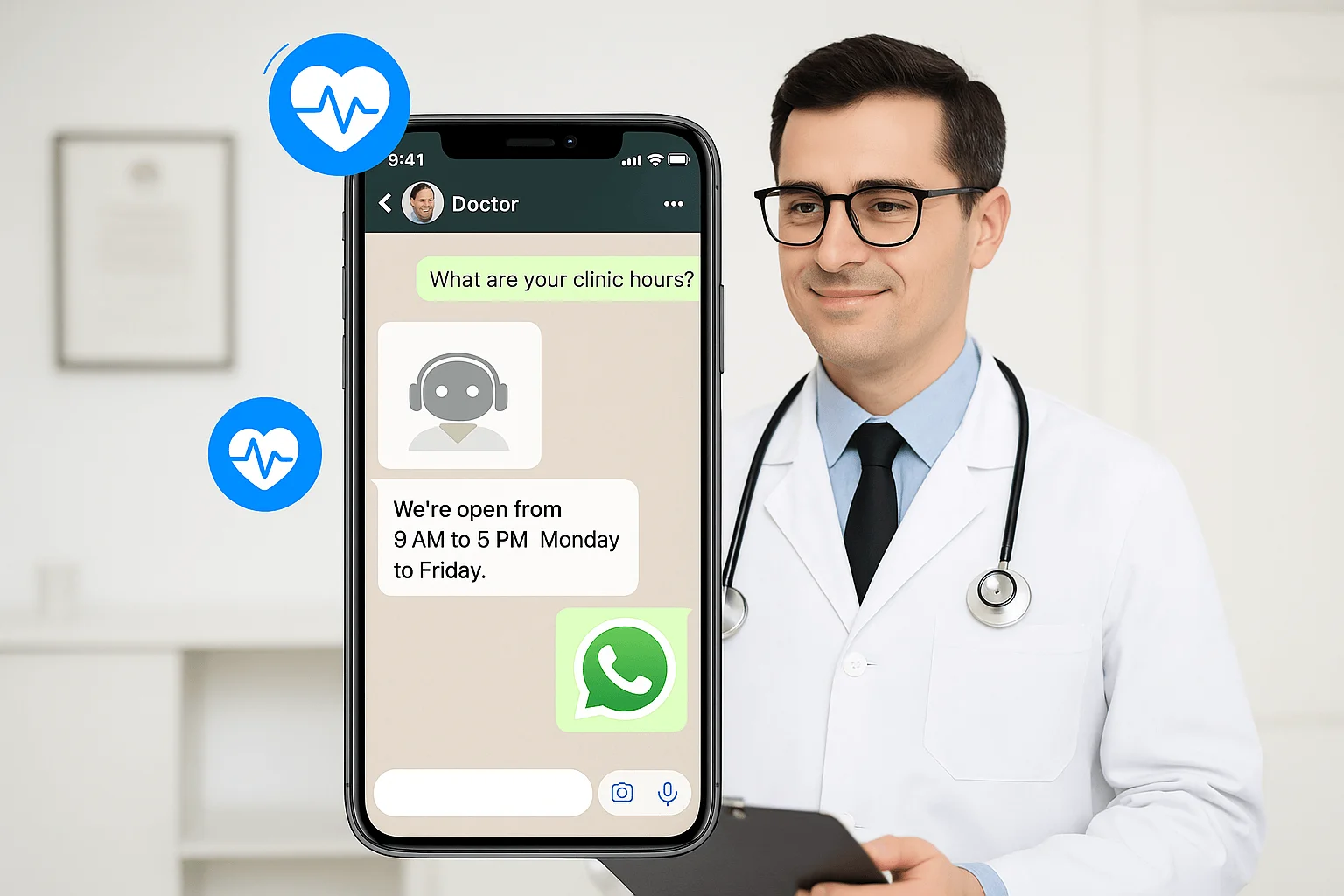
Smart clinic automation simplifies scheduling by allowing patients to book appointments online while automatically updating healthcare providers’ calendars. Automated reminders reduce missed appointments and help maintain an organized daily schedule.
Efficient scheduling improves patient satisfaction while maximizing clinic productivity.
Faster Patient Registration
Long registration processes often create unnecessary delays and frustration for patients. Smart automation enables digital patient registration through online forms and self-service portals.
Patients can securely submit their personal information, medical history, insurance details, and required documents before arriving at the clinic. This reduces waiting times and allows healthcare staff to prepare for appointments more efficiently.
Digital registration also minimizes paperwork and improves data accuracy.
Efficient Electronic Medical Records Management
Electronic Medical Records (EMRs) are essential for modern healthcare delivery. Smart clinic automation enables healthcare providers to access patient records quickly and securely from a centralized system.
Healthcare professionals can review medical history, diagnoses, medications, laboratory results, treatment plans, and previous consultations without searching through paper files.
Immediate access to accurate patient information supports better clinical decisions and improves continuity of care.
Improved Patient Communication
Clear communication strengthens patient relationships and improves healthcare outcomes. Smart clinic automation supports communication through automated messaging, appointment reminders, follow-up notifications, prescription alerts, and health education updates.
Patients receive timely information regarding:
- Appointment confirmations
- Consultation reminders
- Medication schedules
- Laboratory reports
- Preventive healthcare reminders
- Follow-up visits
Consistent communication encourages patient engagement while reducing missed appointments.
Automated Billing and Payments
Managing billing manually can be time-consuming and prone to errors. Smart clinic automation simplifies financial operations by generating invoices automatically, tracking payments, and integrating with digital payment systems.
Automation helps healthcare organizations:
- Process invoices faster
- Reduce billing errors
- Track outstanding payments
- Generate financial reports
- Improve revenue management
Efficient billing contributes to smoother administrative operations and better patient experiences.
Better Inventory Management
Healthcare facilities rely on medical supplies, medications, and equipment to deliver uninterrupted care. Smart automation helps monitor inventory levels in real time and alerts staff when supplies need replenishment.
Automated inventory management reduces waste, prevents shortages, and ensures essential medical resources remain available when needed.
Accurate inventory control also improves purchasing decisions and reduces unnecessary expenses.
Increased Staff Productivity
Healthcare professionals often spend valuable time completing repetitive administrative tasks. Smart clinic automation handles routine processes, allowing staff to focus on patient care and clinical responsibilities.
Automation supports:
- Appointment management
- Documentation
- Patient communication
- Billing
- Reporting
- Record updates
Reducing administrative workload improves employee productivity and contributes to a more efficient healthcare environment.
Enhanced Patient Experience
Patients expect healthcare services to be efficient, convenient, and responsive. Smart clinic automation improves every stage of the patient journey, from scheduling appointments to receiving follow-up care.
Benefits include:
- Reduced waiting times
- Faster check-in procedures
- Convenient online services
- Timely communication
- Accurate medical records
- Simplified payment processes
Positive patient experiences encourage trust, satisfaction, and long-term loyalty.
Data-Driven Decision Making
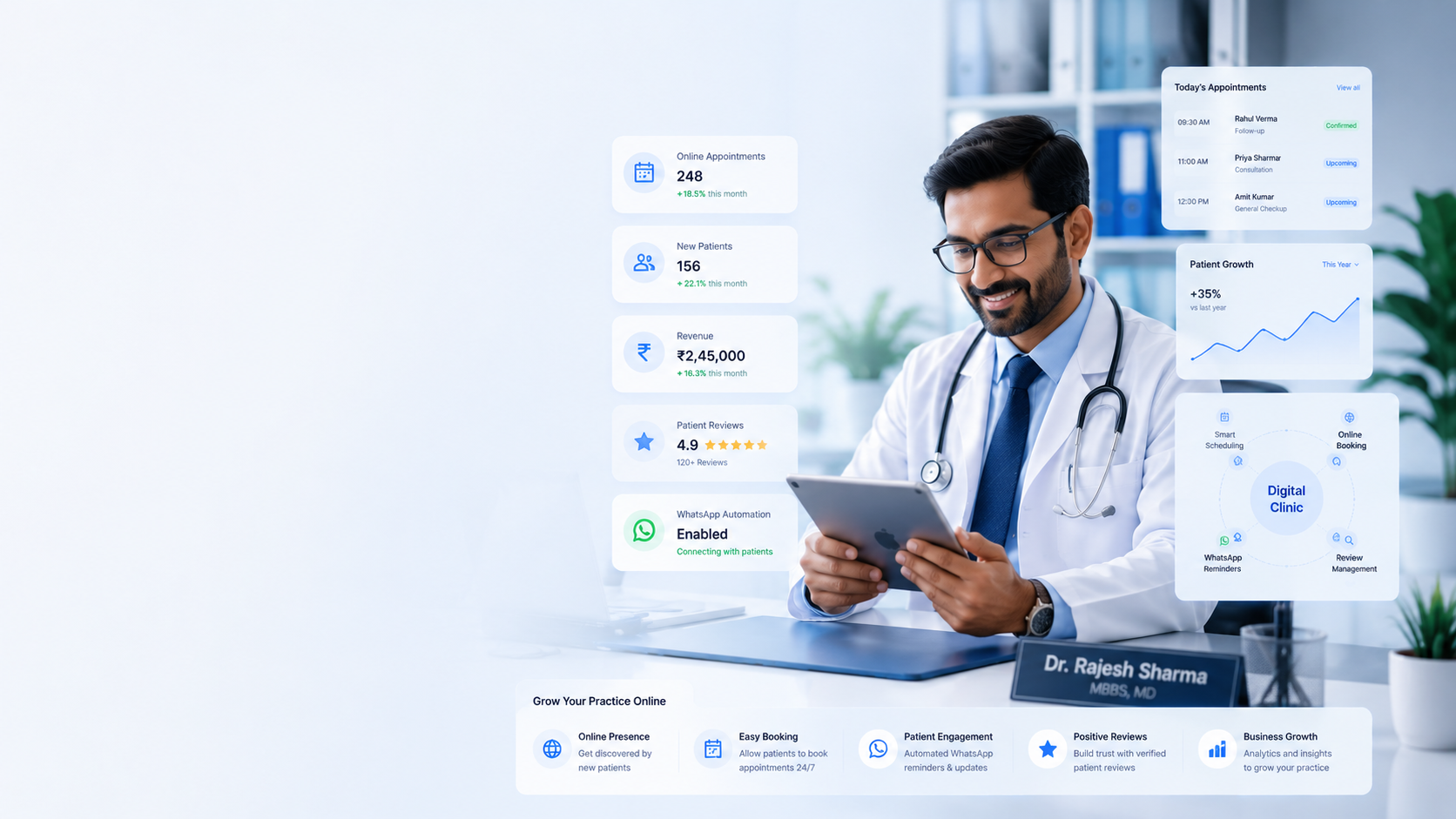
Smart clinic automation generates valuable operational and clinical data that healthcare managers can analyze to improve performance.
Analytics provide insights into:
- Patient flow
- Appointment trends
- Revenue performance
- Staff productivity
- Service demand
- Resource utilization
These reports support informed decision-making and continuous operational improvement.
Supporting Regulatory Compliance
Healthcare organizations must maintain accurate documentation and protect sensitive patient information. Smart automation helps ensure compliance by maintaining secure digital records, monitoring access permissions, and documenting every interaction within the system.
Automated record management reduces administrative errors while supporting healthcare regulations and organizational policies.
Scalability for Future Growth
As clinics expand, managing larger patient volumes and additional services becomes increasingly complex. Smart clinic automation provides scalable solutions that grow alongside healthcare organizations.
New users, departments, locations, and services can be integrated into the system without disrupting existing workflows. This flexibility supports sustainable growth while maintaining operational efficiency.
The Future of Smart Clinics
Emerging technologies such as artificial intelligence, predictive analytics, remote patient monitoring, wearable devices, and cloud computing continue to enhance clinic automation.
Future smart clinics will increasingly rely on intelligent systems to support clinical decision-making, personalize patient care, optimize resource management, and improve healthcare accessibility. Organizations that invest in automation today will be better prepared for tomorrow’s healthcare challenges.
The Importance of Smart Clinic Automation lies in its ability to transform healthcare operations through improved efficiency, streamlined workflows, enhanced patient communication, and better resource management. By automating repetitive administrative tasks, healthcare providers can dedicate more time to delivering high-quality patient care while improving operational performance.
As healthcare continues to evolve, smart clinic automation will remain an essential component of modern medical practice. Its ability to improve patient experiences, increase productivity, support informed decision-making, and enable scalable growth makes it a valuable investment for healthcare organizations seeking long-term success in an increasingly digital healthcare environment.