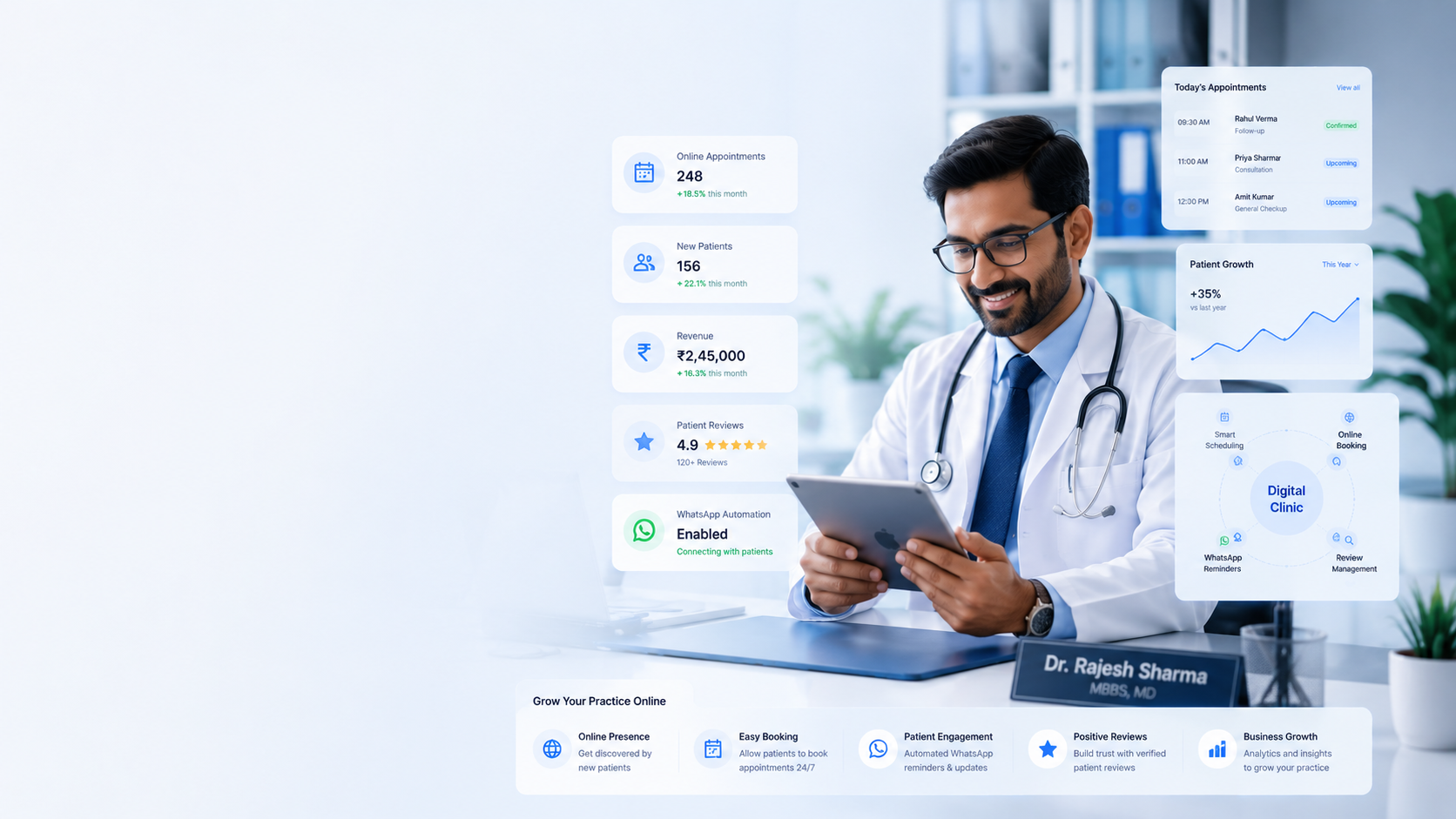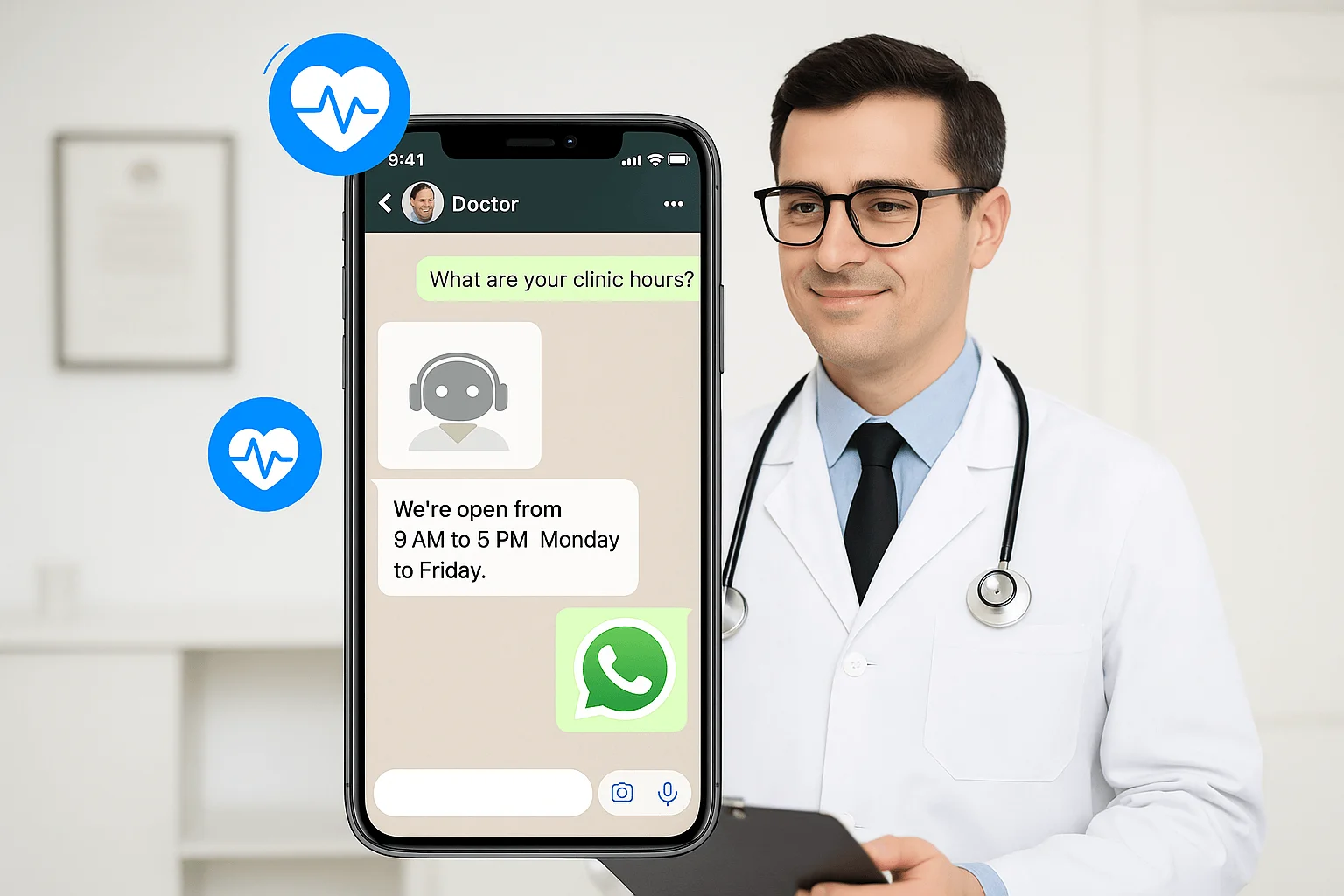


Why Hospitals Need Modern Information Systems is an increasingly important question as healthcare organizations strive to improve patient care, streamline operations, and adapt to the demands of a digital healthcare environment. Hospitals generate and manage vast amounts of information every day, including patient records, laboratory reports, medical imaging, prescriptions, billing data, appointment schedules, and administrative documents. Managing this information manually or through outdated systems can lead to delays, errors, and inefficiencies that affect both patients and healthcare professionals.
Modern Hospital Information Systems (HIS) provide an integrated digital platform that connects clinical, administrative, and financial operations. By automating workflows and enabling secure access to real-time information, these systems help hospitals improve efficiency, enhance patient safety, and support informed decision-making. As healthcare continues to evolve, modern information systems have become an essential investment for hospitals seeking sustainable growth and high-quality patient care.
Understanding Hospital Information Systems
A Hospital Information System is a comprehensive software solution designed to manage and coordinate various hospital functions. It integrates departments such as patient registration, outpatient services, inpatient care, laboratories, radiology, pharmacy, billing, finance, inventory, and medical records into one centralized platform.
Instead of maintaining separate systems for different departments, hospitals can access accurate and up-to-date information from a unified database. This integration improves collaboration, reduces duplication of work, and enhances operational efficiency.
Improving Patient Care
The primary objective of any hospital is to provide safe and effective patient care. Modern information systems support this goal by giving healthcare professionals immediate access to complete patient records.
Doctors, nurses, and specialists can review:
- Medical history
- Current medications
- Laboratory results
- Diagnostic images
- Allergy information
- Previous treatments
Having comprehensive patient information readily available allows healthcare teams to make faster, more accurate clinical decisions while reducing the risk of medical errors.
Faster Access to Medical Records
Searching for paper files or outdated digital records can delay treatment. Modern Hospital Information Systems provide secure electronic access to patient information from any authorized department.
Healthcare professionals can retrieve medical records within seconds, allowing faster diagnosis, treatment planning, and emergency response. Quick access to accurate information improves efficiency while enhancing patient safety.
Streamlining Hospital Operations
Hospitals manage numerous administrative processes every day, including patient admissions, discharge planning, appointment scheduling, billing, inventory management, and staff coordination.
Modern information systems automate these routine tasks, reducing paperwork and minimizing administrative delays. Automated workflows help hospitals allocate resources more effectively while improving productivity across departments.
Efficient operations allow healthcare professionals to spend more time focusing on patient care rather than administrative responsibilities.
Better Communication Between Departments
Effective communication is essential for coordinated healthcare delivery. Modern information systems enable seamless information sharing among various hospital departments.
For example:
- Laboratory results become instantly available to physicians.
- Pharmacy teams receive digital prescriptions.
- Billing departments access treatment information automatically.
- Radiology reports are shared securely with specialists.
Improved communication reduces delays, prevents duplicate testing, and ensures all healthcare professionals work with the same patient information.
Enhanced Patient Safety
Patient safety depends on accurate information and timely clinical decisions. Hospital Information Systems include features that help minimize medical errors and improve treatment accuracy.
These systems can:
- Alert staff about allergies
- Identify medication interactions
- Reduce prescription errors
- Verify patient identity
- Track treatment history
By providing clinical decision support, modern information systems help healthcare providers deliver safer and more reliable care.
Efficient Appointment and Bed Management
Managing appointments and hospital beds efficiently is essential for patient satisfaction and operational performance.
Modern information systems allow hospitals to:
- Schedule appointments digitally
- Manage waiting lists
- Track bed availability
- Coordinate patient admissions
- Plan discharge processes
This improves patient flow, reduces waiting times, and optimizes resource utilization throughout the hospital.
Simplified Billing and Financial Management
Financial operations are a critical component of hospital management. Modern information systems automate billing processes, insurance claims, payment tracking, and financial reporting.
Automation helps hospitals:
- Generate accurate invoices
- Reduce billing errors
- Process insurance claims efficiently
- Monitor revenue
- Improve financial transparency
Efficient financial management contributes to sustainable hospital operations while improving the patient payment experience.
Better Inventory and Pharmacy Management
Hospitals depend on continuous availability of medications, medical supplies, and equipment. Modern information systems monitor inventory levels in real time and automate stock management.
Healthcare organizations can:
- Track medication usage
- Monitor supply levels
- Prevent shortages
- Reduce waste
- Improve purchasing decisions
Effective inventory management ensures healthcare professionals always have the necessary resources to provide quality care.
Data-Driven Decision Making
Modern Hospital Information Systems generate valuable reports and analytics that support informed decision-making.
Hospital administrators can analyze:
- Patient admission trends
- Department performance
- Resource utilization
- Financial performance
- Clinical outcomes
- Staff productivity
These insights help hospitals improve efficiency, identify opportunities for improvement, and plan future growth based on accurate data.
Supporting Regulatory Compliance
Hospitals must comply with healthcare regulations related to patient privacy, documentation, and data security. Modern information systems help maintain compliance by securely storing patient information, controlling user access, and recording every system activity.
Digital documentation also simplifies audits and reporting while improving accountability across the organization.
Scalability for Future Healthcare Needs
Healthcare organizations continue to expand their services, departments, and patient populations. Modern information systems provide scalable infrastructure that supports future growth without disrupting existing operations.
New departments, healthcare services, and digital technologies can be integrated efficiently, ensuring hospitals remain adaptable to changing healthcare demands.
The Future of Hospital Information Systems
Emerging technologies such as artificial intelligence, cloud computing, predictive analytics, remote patient monitoring, wearable devices, and Internet of Medical Things (IoMT) are transforming hospital information systems.
These innovations enable hospitals to deliver more personalized care, improve operational efficiency, predict patient needs, and enhance clinical decision-making. As digital healthcare continues to advance, modern information systems will remain at the center of healthcare transformation.
Why Hospitals Need Modern Information Systems becomes clear when considering their impact on patient care, operational efficiency, communication, and long-term growth. By integrating clinical, administrative, and financial processes into a unified platform, these systems help hospitals reduce errors, improve productivity, and provide higher-quality healthcare services.
As the healthcare industry continues embracing digital transformation, modern Hospital Information Systems have become essential for delivering efficient, secure, and patient-centered care. Hospitals that invest in advanced information systems are better prepared to meet evolving patient expectations, optimize resources, and achieve sustainable success in an increasingly technology-driven healthcare environment.