

Modern hospitals manage more than clinical services. They also handle patient communication, appointments, follow-ups, administrative workflows, marketing activities, billing coordination, and large amounts of patient-related information. Managing these activities efficiently can become challenging when information is spread across disconnected systems.
This is where Healthcare CRM can play an important role. A healthcare customer relationship management platform helps hospitals organize patient interactions, improve communication, automate routine processes, and create more coordinated patient experiences. As healthcare becomes increasingly digital, CRM technology is becoming an important part of modern hospital operations.
Centralizes Patient Information
Hospitals often deal with information from multiple departments and communication channels. Without an organized system, staff may spend considerable time searching for patient details, appointment histories, communication records, or follow-up information.
A Healthcare CRM can bring relevant patient interaction data into a centralized platform. Authorized staff can access appropriate information based on their responsibilities, helping teams maintain better visibility throughout the patient journey.
Centralized information can reduce duplication and make communication more consistent.
Improves Patient Communication
Effective communication is an important part of the patient experience. Patients may need appointment confirmations, reminders, follow-up messages, preparation instructions, or other updates.
Healthcare CRM systems can support communication through multiple channels, including email, SMS, phone-based workflows, and messaging platforms where appropriate. Automated notifications can help ensure that important information reaches patients at the right stage of their journey.
Better communication can help hospitals provide a more organized and responsive patient experience.
Simplifies Appointment Management
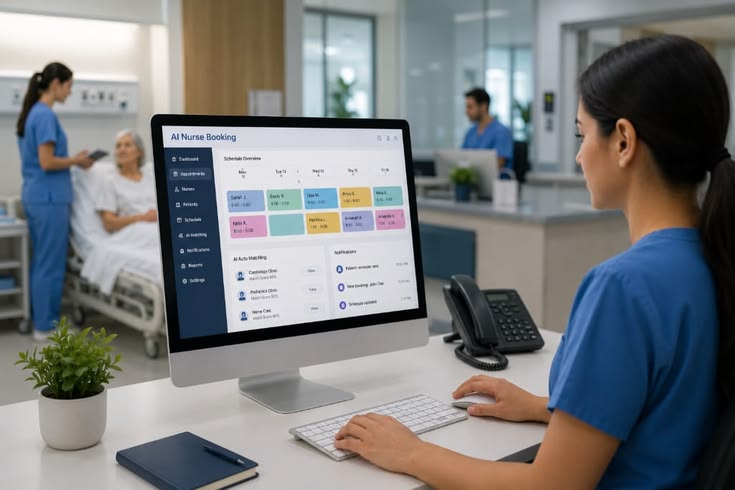
Appointment coordination can involve significant administrative work. Staff may need to schedule appointments, send reminders, manage cancellations, and follow up with patients.
A Healthcare CRM can help organize these activities and automate selected communication workflows. Appointment reminders can be scheduled in advance, while follow-up workflows can help staff identify patients who require additional attention.
This can reduce administrative workload and make appointment management more efficient.
Supports Patient Follow-Up
Patient engagement does not necessarily end after a consultation or treatment. Follow-up communication can be important for maintaining continuity and encouraging patients to follow recommended care plans.
CRM technology can help hospitals organize follow-up schedules and reminders. Staff can use workflows to identify patients who need a follow-up call, appointment, assessment, or other communication.
Automated follow-up processes can reduce the possibility of important interactions being overlooked.
Enhances Patient Engagement
Healthcare is becoming increasingly patient-centered. Patients expect convenient communication and easier access to healthcare services.
A Healthcare CRM can support engagement by helping hospitals provide relevant information and timely communication throughout the patient journey. Personalized messages, appointment reminders, educational content, and follow-up notifications can help maintain ongoing interaction.
When patients receive relevant communication at appropriate times, they may feel more connected to the healthcare organization.
Automates Repetitive Administrative Tasks
Hospital staff often spend valuable time handling repetitive communication and administrative processes. CRM automation can reduce manual work by triggering predefined actions based on specific events.
For example, a system can automatically send an appointment reminder before a scheduled visit or initiate a follow-up workflow after a patient interaction.
Automation allows staff to spend more time on activities that require human attention while routine processes are handled systematically.
Improves Lead and Inquiry Management
Hospitals and healthcare organizations receive inquiries through websites, phone calls, social media, email, and other channels. Without proper tracking, potential patients may not receive timely responses.
Healthcare CRM software can help capture and organize inquiries in one system. Staff can track communication history, assign follow-up tasks, and monitor the progress of inquiries.
This creates a more structured process for managing prospective patient interactions.
Provides Useful Analytics
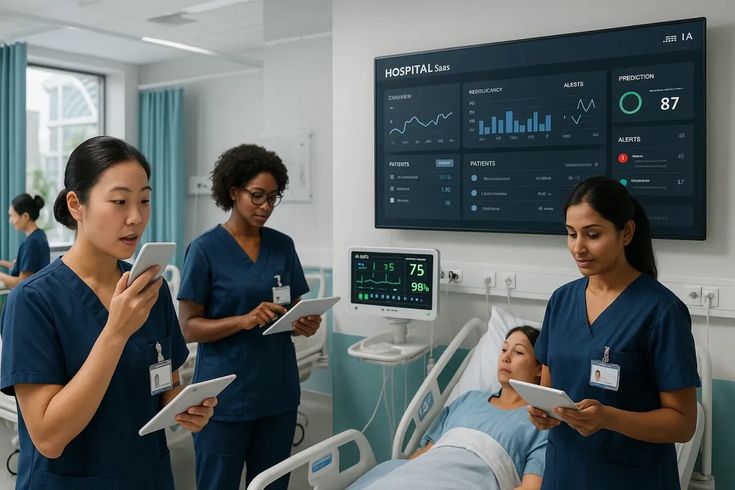
Data can help hospitals understand how patients interact with their services. Healthcare CRM platforms can provide reports and analytics related to appointments, communication, campaigns, inquiries, follow-ups, and patient engagement.
These insights can help management identify patterns and areas for improvement. For example, hospitals may discover that certain communication methods receive better responses or that specific appointment reminders reduce missed visits.
Data-driven insights can support more informed operational decisions.
Supports Personalized Communication
Every patient has different needs, preferences, and circumstances. Generic communication may not always provide the most useful experience.
Healthcare CRM technology can support more personalized communication by organizing relevant patient interaction information and enabling targeted workflows.
Hospitals can use appropriate segmentation to deliver messages based on factors such as appointment type, service interest, communication preferences, or follow-up requirements, subject to applicable privacy and consent requirements.
Connects Different Departments
Hospitals typically involve multiple departments and teams. Communication gaps between departments can create delays and inconsistent patient experiences.
A CRM can help coordinate non-clinical patient engagement activities across relevant teams. Shared workflows and communication records can give authorized staff better visibility into ongoing interactions.
This can support smoother coordination between departments while reducing duplicated communication.
Strengthens Patient Retention
Maintaining positive relationships with existing patients is important for long-term healthcare organizations. Consistent communication, timely follow-ups, appointment reminders, and personalized engagement can contribute to a better overall experience.
Healthcare CRM systems can help hospitals maintain structured engagement throughout different stages of the patient journey.
A well-organized patient relationship strategy can encourage patients to remain connected with the healthcare organization for appropriate future services.
Supports Digital Healthcare Transformation
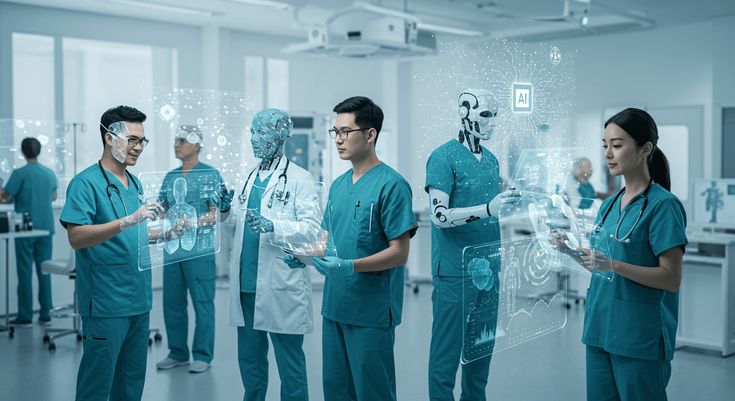
Hospitals are adopting digital technologies to improve operational efficiency and patient experiences. Healthcare CRM can become part of this broader digital transformation by connecting communication, engagement, automation, and analytics.
When CRM technology works alongside appropriate healthcare systems, hospitals can create more coordinated digital workflows while reducing dependence on disconnected manual processes.
Prioritizes Data Security and Privacy
Healthcare organizations handle sensitive information, making security and privacy essential. Any Healthcare CRM implementation should include appropriate access controls, authentication, audit capabilities, encryption, data governance, and compliance measures based on applicable laws and regulations.
Hospitals should carefully evaluate vendors and ensure that CRM workflows are designed around responsible handling of patient information.