

Healthcare is becoming increasingly digital, changing the way patients communicate with providers and access healthcare services. Patient portals have become an important part of this transformation by providing a secure online platform for accessing information, managing appointments, communicating with healthcare teams, and completing selected healthcare-related tasks.
Understanding How Patient Portals Improve Healthcare Services highlights the value these platforms can provide to both patients and healthcare organizations. When designed and implemented effectively, patient portals can improve convenience, communication, engagement, accessibility, and operational efficiency.
Provides Convenient Access to Information
Patient portals allow patients to access selected healthcare information without depending entirely on phone calls or physical visits. Depending on the healthcare organization’s system, patients may be able to view appointment details, test results, medical documents, prescriptions, care instructions, and other relevant information.
Having information available through a secure digital platform can make healthcare interactions more convenient and transparent.
Simplifies Appointment Management
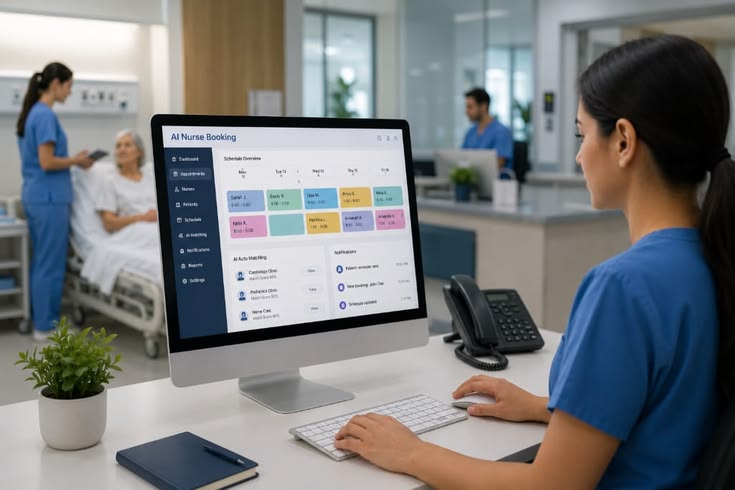
Scheduling appointments can require considerable administrative effort. Patient portals can simplify this process by allowing patients to request, schedule, reschedule, or cancel suitable appointments online.
Automated appointment confirmations and reminders can also help patients stay informed. This reduces the need for repeated phone calls and can help healthcare staff manage scheduling more efficiently.
Improves Patient Communication
Clear communication is essential for a positive healthcare experience. Patient portals can provide secure messaging options that allow patients to communicate with healthcare teams about appropriate non-emergency matters.
Healthcare staff can manage messages through an organized digital workflow, helping reduce communication gaps and ensuring requests can be directed to the appropriate team.
Encourages Patient Engagement
Patient engagement improves when people have convenient access to information about their healthcare. Patient portals can encourage individuals to take a more active role in managing appointments, reviewing available information, and following appropriate care instructions.
Easy access to information can also help patients prepare questions for consultations and participate more effectively in discussions with healthcare professionals.
Reduces Administrative Work
Healthcare teams often handle repetitive tasks such as appointment requests, document inquiries, reminders, and basic information requests.
A patient portal can automate or simplify many of these processes. Patients can complete certain tasks independently, reducing the volume of routine administrative work and allowing staff to focus on more complex responsibilities.
This can improve productivity while creating a smoother experience for patients.
Supports Faster Communication
Traditional communication methods can sometimes result in delays. Patient portals provide digital channels for sending appropriate updates, notifications, documents, and messages.
Patients can receive relevant information through the portal without waiting for a phone call or physical correspondence. Faster communication can help make healthcare services more responsive and convenient.
Offers Access to Educational Resources
Patient portals can also serve as a source of trusted educational information. Healthcare organizations may provide resources related to preventive care, treatments, procedures, medications, follow-up instructions, and healthy lifestyle practices.
Well-organized educational content can help patients better understand information related to their care and prepare for conversations with healthcare professionals.
Supports Telehealth Services
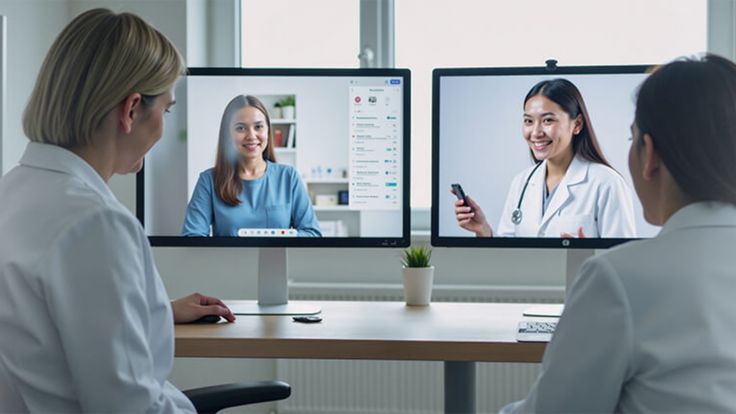
Patient portals can complement telehealth by providing a central location for managing virtual healthcare interactions. Patients may use the portal to access appointment information, receive instructions, communicate with healthcare teams, or review relevant documents before and after virtual consultations.
Integrating these services can create a more connected digital healthcare experience.
Improves Accessibility
Patient portals can make selected healthcare services available beyond traditional office hours. Patients may be able to check information, request appointments, send appropriate messages, or review documents at a convenient time.
Mobile-responsive portals can further improve accessibility by allowing patients to use smartphones and tablets.
Healthcare organizations should also provide alternatives and support for people who have limited digital skills, disabilities, or limited internet access.
Strengthens Continuity of Care
Healthcare often involves multiple interactions over time. Patient portals can help patients maintain access to relevant information across different stages of their healthcare journey.
For example, patients may review appointment information, access follow-up instructions, or communicate with their healthcare team after a consultation.
This can support a more continuous and organized relationship between patients and healthcare providers.
Enhances Data Security
Because patient portals handle sensitive healthcare information, security is a critical consideration. Healthcare organizations should implement appropriate authentication, access controls, encryption, audit mechanisms, and data protection practices.
Organizations should also ensure that their portal processes align with applicable privacy and healthcare data regulations.
Strong security measures can help protect patient information while building confidence in digital healthcare services.
Connects Different Healthcare Systems
Patient portals can become more effective when integrated with other healthcare technologies. Depending on the organization’s infrastructure, a portal may connect with electronic health records, appointment management systems, Healthcare CRM platforms, telehealth solutions, billing systems, and communication tools.
Effective integration can reduce duplicated data entry and create more consistent information across healthcare workflows.
Provides Useful Analytics
Digital platforms can provide healthcare organizations with insights into how patients use their services. Portal activity, appointment requests, message volumes, and digital engagement patterns can help organizations understand patient needs.
These insights can support improvements in communication, digital services, scheduling processes, and overall patient experience.
Improves Patient Satisfaction
Convenience is one of the strongest advantages of patient portals. Patients can manage selected healthcare tasks digitally instead of making unnecessary calls or visiting facilities.
Easy access to information, appointment management, communication, reminders, and educational resources can make the healthcare journey more efficient.
A well-designed portal should therefore focus on simple navigation, accessibility, security, and a consistent user experience.