
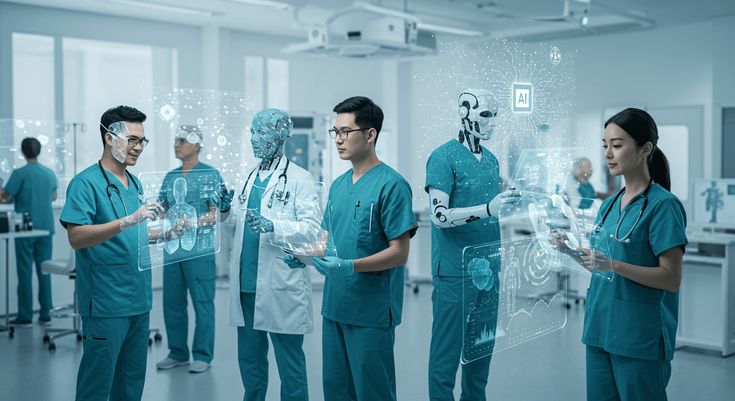
Healthcare is gradually moving beyond hospitals and clinics as digital technology makes it possible to provide more services in patients’ homes. Home healthcare technology is changing how patients communicate with healthcare providers, monitor health information, manage appointments, and receive ongoing support.
The Future of Home Technology is expected to focus on connected devices, remote monitoring, artificial intelligence, telehealth, automation, and personalized care. These developments can help healthcare organizations provide more convenient and coordinated services while allowing patients to receive appropriate care in familiar environments.
Growth of Remote Patient Monitoring
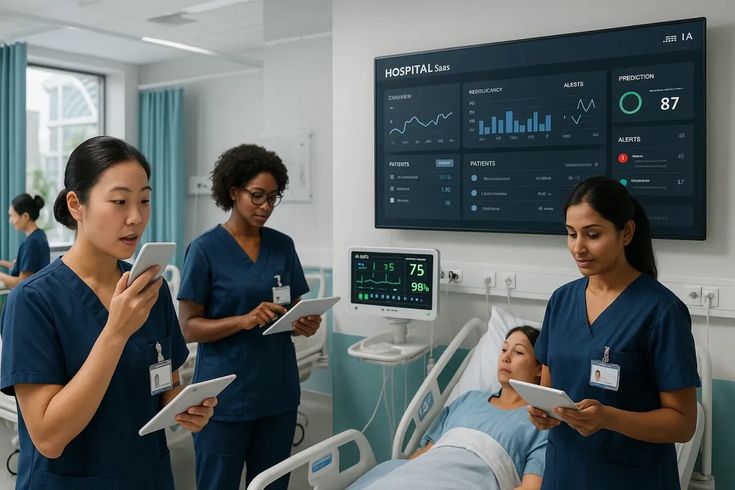
Remote patient monitoring is expected to become an increasingly important part of home healthcare. Connected devices can collect relevant health information and transmit it to healthcare teams through secure digital platforms.
Depending on the patient’s needs, technologies may monitor measurements such as blood pressure, blood glucose, heart rate, oxygen levels, or other relevant indicators.
Continuous or regular monitoring can help healthcare professionals identify changes and determine when additional attention may be appropriate.
Greater Use of Wearable Devices
Wearable technology is becoming more advanced and accessible. Smartwatches, fitness trackers, medical wearables, and specialized monitoring devices can collect useful health-related information.
Future home healthcare systems may connect these devices more effectively with healthcare platforms, allowing authorized providers to review relevant information remotely.
Wearables may also support patients in tracking their own health and following appropriate care plans.
Expansion of Telehealth
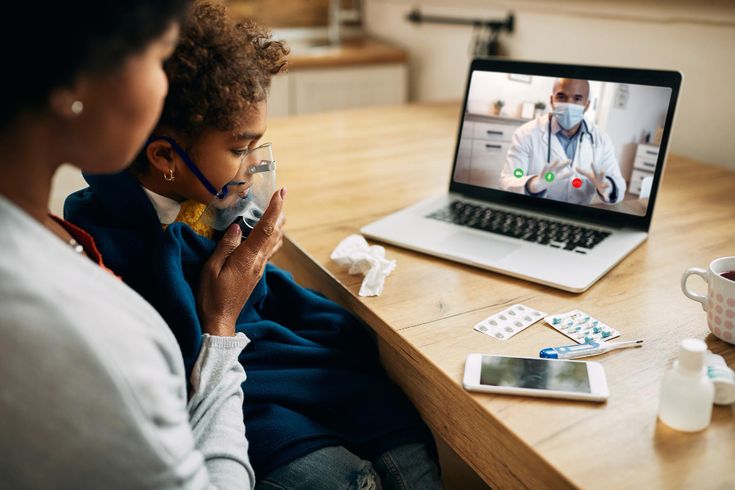
Telehealth will continue to play an important role in home healthcare. Virtual consultations can allow patients to communicate with healthcare professionals without traveling to a healthcare facility when remote care is clinically appropriate.
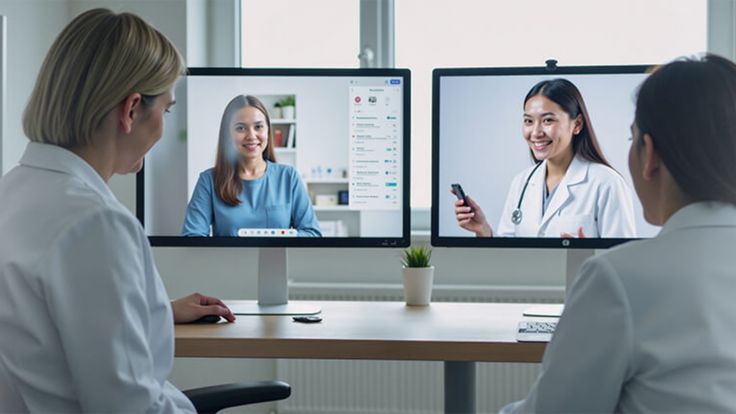
Future telehealth platforms may offer better video quality, easier scheduling, improved integration with patient records, and more connected communication features.
Virtual care is likely to complement rather than completely replace traditional in-person healthcare.
Artificial Intelligence in Home Healthcare
Artificial intelligence can support several areas of home healthcare. AI-powered systems may analyze large amounts of health-related information, identify patterns, assist with administrative tasks, and support decision-making.
For example, AI may help identify changes in remotely monitored information that require healthcare professionals to review them. It can also support automated scheduling, communication, documentation, and patient engagement.
AI should be implemented with appropriate clinical oversight, transparency, privacy protections, and human decision-making.
Personalized Home Care
Healthcare is increasingly moving toward personalized care models. Technology can help healthcare organizations provide services based on individual patient needs, preferences, care plans, and circumstances.
Future home healthcare platforms may combine information from patient records, monitoring devices, communication systems, and care management tools to create more personalized workflows.
Personalization can help ensure that patients receive relevant reminders, educational resources, and follow-up communication.
Smart Home Healthcare Devices
Connected home devices may become more common in healthcare. Smart sensors and monitoring systems can potentially help track environmental or health-related conditions within the home.
For certain patients, connected devices could support medication reminders, movement monitoring, fall detection, or other appropriate safety and care functions.
These technologies should be implemented carefully, with clear consent and strong privacy protections.
Medication Management Technology
Medication management is another area where technology can support home healthcare. Digital reminders, connected medication systems, and healthcare applications can help patients remember appropriate medication schedules.
Future solutions may provide alerts to patients or caregivers when a scheduled action is missed. Integration with healthcare teams could also support better coordination.
Technology should complement professional guidance and should not encourage patients to make medication changes without appropriate medical advice.
Better Healthcare CRM Integration
Healthcare CRM platforms can become increasingly important in home healthcare management. A CRM can help organizations coordinate patient communication, appointments, follow-ups, service requests, and engagement activities.
When integrated with telehealth, patient portals, remote monitoring, and other systems, CRM technology can provide healthcare teams with better visibility into patient interactions.
This can support more organized communication and improve the overall patient experience.
Increased Use of Automation
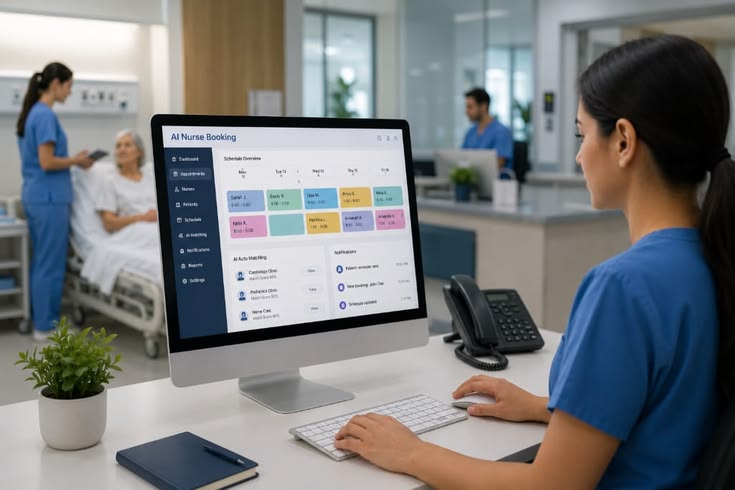
Automation can reduce repetitive administrative tasks in home healthcare. Systems may automate appointment reminders, follow-up notifications, scheduling workflows, patient communications, and selected administrative processes.
By reducing manual tasks, healthcare staff can spend more time on activities requiring professional judgment and direct patient interaction.
Automation should always include appropriate safeguards and escalation processes for situations requiring human attention.
Improved Interoperability
The future of home healthcare will depend heavily on connected systems. Patients may use multiple technologies, including wearable devices, patient portals, telehealth platforms, and monitoring systems.
Interoperability can allow relevant information to move securely between appropriate systems rather than remaining isolated in separate platforms.
Better integration can reduce duplicated work and create a more complete view of the patient’s healthcare journey.
Stronger Focus on Data Security
As more healthcare information is collected at home, cybersecurity and privacy will become increasingly important.
Home healthcare systems will need strong authentication, encryption, access controls, secure communication, audit capabilities, and responsible data management.
Healthcare organizations will also need to educate patients and caregivers about protecting devices, accounts, and personal information.
More Support for Caregivers
Home healthcare technology can also help family members and professional caregivers coordinate appropriate care. Depending on the system, caregivers may receive reminders, updates, schedules, or alerts.
Future platforms may provide more structured tools for coordinating appointments, monitoring care activities, and communicating with healthcare teams.
Caregiver access should always be controlled through appropriate permissions and privacy safeguards.
Focus on User-Friendly Technology
Advanced technology is only useful when patients and caregivers can use it effectively. Future home healthcare solutions will need to focus on simple interfaces, accessible designs, clear instructions, and easy communication.
Technology should not create additional complexity for people who may already be dealing with health-related challenges.
User-friendly design will therefore remain a key factor in the successful adoption of home healthcare technology.