
Telehealth has become an important part of modern healthcare by making medical services more accessible through digital technology. Telehealth Solutions for Better Patient Access allow patients to connect with healthcare professionals remotely, access medical information, and receive ongoing support without always needing to visit a healthcare facility in person. As healthcare organizations continue adopting digital solutions, telehealth can help create more convenient and connected patient experiences.
What Are Telehealth Solutions?
Telehealth solutions use digital communication technologies to support healthcare delivery from a distance. These solutions can include video consultations, remote monitoring, digital appointment scheduling, secure messaging, electronic health information access, and virtual follow-up services.
By connecting patients and healthcare providers through digital platforms, telehealth can reduce some of the practical challenges associated with traditional healthcare visits.
Improving Access to Healthcare
One of the main advantages of telehealth is its ability to improve access to healthcare services. Patients who live far from medical facilities or have difficulty traveling can communicate with healthcare professionals remotely.
Virtual consultations can provide an additional way to access medical guidance without requiring every interaction to take place at a physical clinic. This can be particularly useful for routine consultations, follow-ups, and certain types of specialist care.
Supporting Remote Consultations
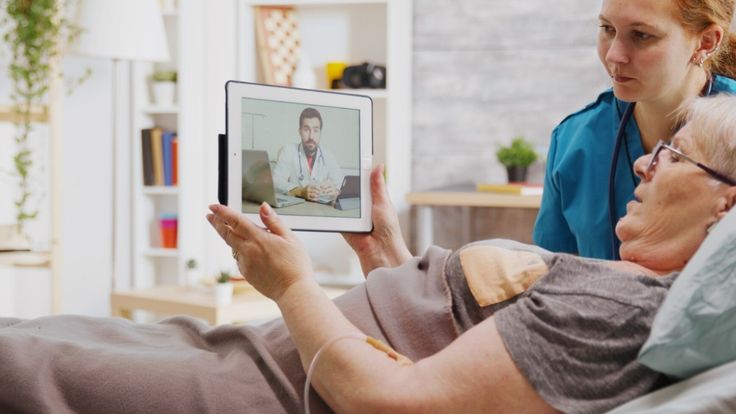
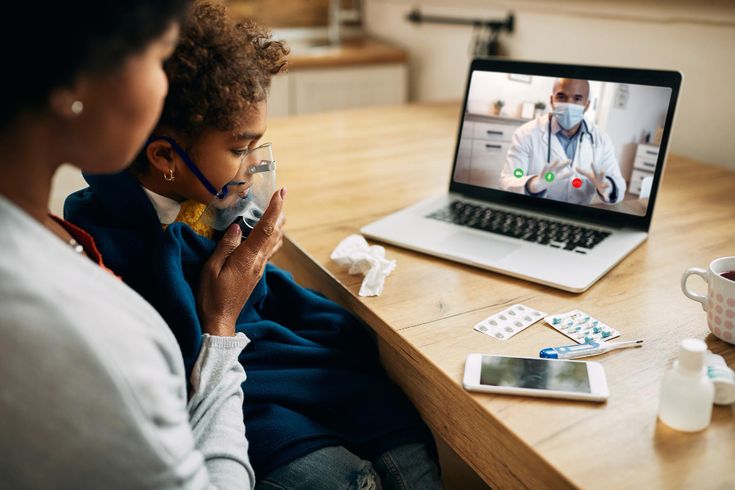
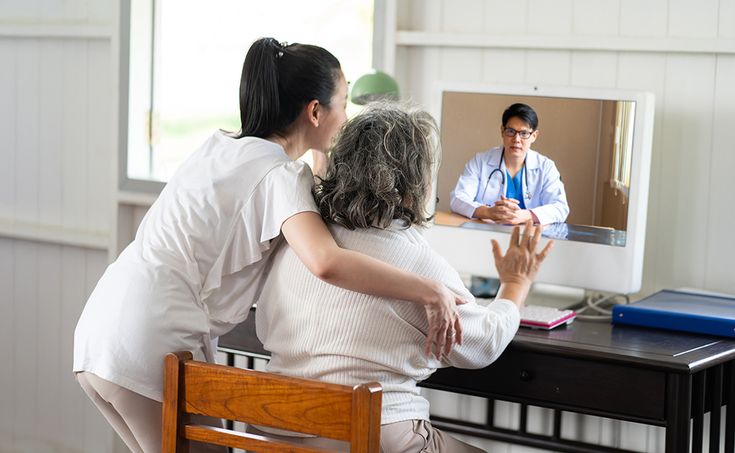
Telehealth platforms can enable healthcare providers to conduct consultations through secure video and communication systems. Patients can attend appointments from home or another suitable location using a compatible device and internet connection.
Remote consultations can make scheduling more convenient and reduce the time associated with traveling and waiting for an in-person appointment.
Making Healthcare More Convenient
Convenience is an important factor in patient engagement. Traditional healthcare visits can require patients to arrange transportation, take time away from work, or manage other responsibilities.
Telehealth provides an alternative for appropriate consultations by allowing patients to communicate with healthcare professionals remotely. This flexibility can make it easier for patients to stay connected with their care providers.
Supporting Follow-Up Care
Healthcare often involves continued communication after an initial consultation. Telehealth can support follow-up appointments, treatment discussions, progress reviews, and general patient communication.
Digital follow-ups can help healthcare providers maintain communication with patients while reducing the need for unnecessary physical visits when remote interaction is clinically appropriate.
Enabling Remote Patient Monitoring
Some telehealth solutions can work alongside remote patient monitoring technologies. Connected devices can collect relevant health information and transmit data to healthcare teams for review.
Depending on the healthcare setting and technology being used, remote monitoring can support ongoing observation and help providers identify changes that may require attention. Proper clinical protocols and professional oversight remain essential when using these technologies.
Improving Communication Between Patients and Providers
Effective communication is essential for quality healthcare. Telehealth platforms can provide digital channels for communication between patients and healthcare teams.
Secure messaging, appointment notifications, virtual consultations, and digital information sharing can help create more consistent communication. These tools can also make it easier for patients to stay informed about appointments and care instructions.
Reducing Geographic Barriers
Geographic distance can make accessing specialized healthcare more difficult for some patients. Telehealth can reduce the importance of physical distance for services that are suitable for remote delivery.
Patients may be able to communicate with healthcare professionals located outside their immediate area without traveling for every interaction. This can expand access to certain healthcare resources while supporting more flexible care models.
Supporting Better Appointment Management
Telehealth platforms can integrate appointment scheduling and digital communication features into a single workflow. Patients can select available consultation times, receive reminders, and access virtual appointments through a digital platform.
For healthcare organizations, integrated scheduling can help organize virtual consultations and improve coordination between patients and care teams.
Enhancing Patient Engagement
Patient engagement is an important part of effective healthcare delivery. Telehealth can provide patients with convenient digital tools that encourage them to remain involved in their healthcare journey.
Easy access to consultations, reminders, educational resources, and communication channels can help patients interact more consistently with healthcare providers.
Improving Healthcare Workflow
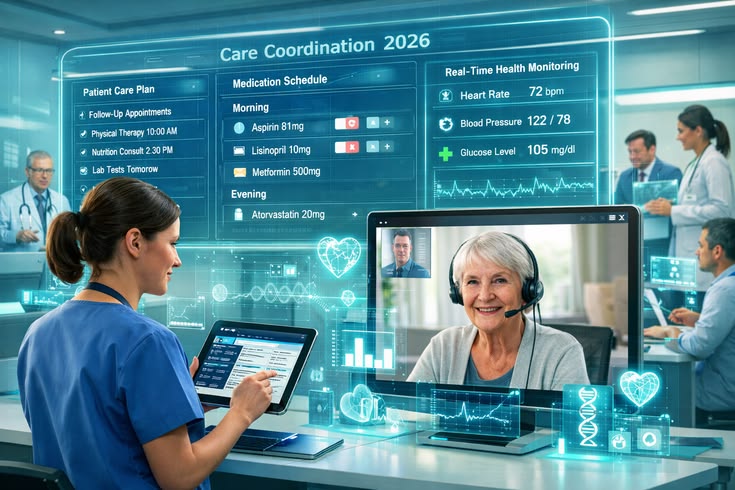
Telehealth can also support healthcare organizations by integrating digital communication into existing workflows. Virtual appointments, patient communication, documentation, scheduling, and monitoring can be coordinated through suitable healthcare technology platforms.
When implemented properly, these systems can help reduce administrative complexity and allow healthcare teams to manage remote interactions more efficiently.
Supporting Continuity of Care
Continuity of care is particularly important for patients who require regular monitoring or follow-up. Telehealth can provide additional communication channels between appointments and help maintain contact with healthcare teams.
When combined with appropriate in-person services, telehealth can become part of a broader care model that balances digital convenience with clinical requirements.
Protecting Patient Information
Security and privacy should be key considerations when implementing telehealth solutions. Healthcare organizations handle sensitive patient information and therefore need appropriate safeguards for communication, data storage, authentication, and access control.
Telehealth platforms should be designed and implemented according to applicable healthcare regulations and organizational security requirements. Staff training and appropriate data-handling policies are also important components of a secure telehealth environment.
The Future of Telehealth
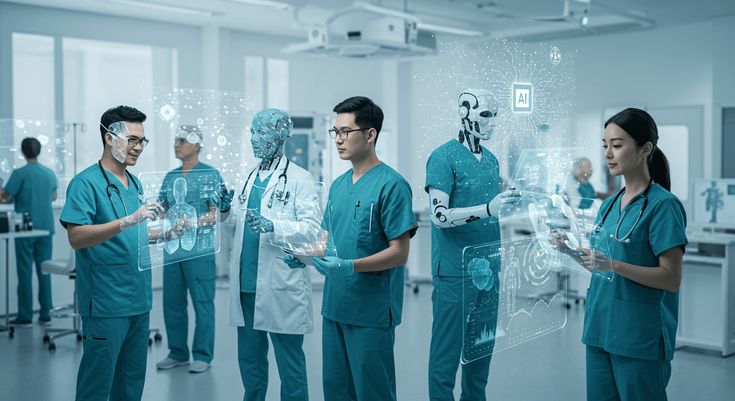
Telehealth is expected to remain an important component of digital healthcare. Advances in artificial intelligence, remote monitoring, connected devices, healthcare software, and digital communication may create additional opportunities for remote care.
However, technology should support healthcare professionals rather than replace appropriate clinical judgment. The most effective telehealth strategies are likely to combine digital services with traditional care based on patient needs and clinical suitability.