
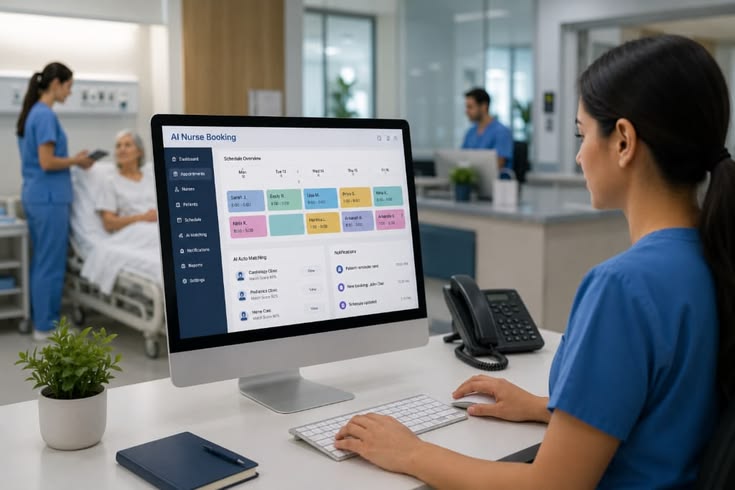
Managing a hospital involves coordinating multiple departments, healthcare professionals, patients, administrative teams, and operational processes. As healthcare organizations become more complex, relying on manual systems and disconnected software can make everyday management challenging. Hospital Management Software for Better Operations provides a centralized digital approach to managing important hospital activities efficiently.
Modern hospital management software can connect administrative, clinical, financial, and operational workflows. By bringing relevant information into a structured system, hospitals can improve coordination, reduce repetitive work, and create a more organized experience for both staff and patients.
Centralized Hospital Management
One of the main advantages of hospital management software is centralized management. Hospitals generate large amounts of information across departments, including patient details, appointments, billing records, staff information, laboratory results, and operational data.
A centralized platform can help authorized users access relevant information from a connected environment. This can reduce dependence on paper records and disconnected systems while supporting more efficient workflows.
Patient Registration and Management
Patient registration is often the first administrative interaction within a hospital. Digital software can simplify the registration process by capturing and organizing patient information electronically.
Depending on the system, staff can manage demographic details, medical histories, appointment information, admission details, and other relevant records.
Organized patient management can help reduce duplicate data entry and make information easier to retrieve when required.
Appointment and Scheduling Management
Managing appointments across multiple departments and healthcare professionals can be complex. Hospital management software can provide centralized scheduling tools for outpatient appointments, consultations, procedures, and other services.
Features may include provider calendars, appointment confirmations, reminders, cancellations, and rescheduling.
Better scheduling can help reduce administrative workload and improve coordination between patients, healthcare professionals, and departments.
Electronic Medical Records
Electronic medical records can help hospitals maintain structured digital patient information. Authorized healthcare professionals can access relevant medical information during the care process.
Records may include consultation notes, diagnoses, prescriptions, laboratory reports, imaging information, treatment plans, and other clinical data depending on the system.
Digital records can improve information accessibility while reducing dependence on physical documentation.
Billing and Financial Management
Financial management is an important part of hospital operations. Hospital management software can support billing, invoicing, payment tracking, insurance-related workflows, and financial reporting.
Automated billing processes can reduce manual calculations and improve consistency. Financial dashboards can also help administrators monitor revenue, outstanding payments, and other relevant metrics.
Laboratory and Diagnostic Integration
Hospitals often depend on laboratories and diagnostic departments for patient care. Integrating these services with hospital management software can improve information flow.
Laboratory systems may connect with patient records to make test requests and results more accessible to authorized users.
Integration can reduce repetitive data entry and help ensure that relevant information reaches the appropriate departments efficiently.
Pharmacy Management
Pharmacy operations involve medication inventory, prescriptions, dispensing, and stock management. Hospital software can connect pharmacy workflows with other hospital processes.
Depending on the system, pharmacy modules may support prescription management, inventory tracking, stock alerts, dispensing records, and billing.
Better pharmacy management can help reduce administrative errors and improve inventory visibility.
Inventory and Asset Management
Hospitals manage a wide range of medical supplies, equipment, and other resources. Digital inventory management can help organizations track stock levels, usage, suppliers, and purchasing activities.
Automated alerts can notify staff when inventory reaches predefined levels. This can support timely procurement and reduce the risk of unnecessary shortages.
Staff and Resource Management
Hospital operations depend on effective coordination of doctors, nurses, technicians, administrative employees, and other staff.
Hospital management software can support staff scheduling, attendance, department assignments, and other administrative processes.
Resource management features can also help hospitals coordinate rooms, equipment, and other operational assets.
Improved Communication
Communication between departments is essential for efficient hospital operations. Digital systems can provide structured channels for sharing relevant information between authorized users.
Notifications, internal messages, task assignments, and automated alerts can help teams stay informed about important activities.
Improved communication can reduce delays and help departments coordinate more effectively.
Automation of Routine Tasks
Hospitals handle many repetitive administrative activities. Appointment reminders, billing notifications, reports, data entry, and routine communications can consume significant staff time.
Automation can reduce some of these repetitive tasks and improve workflow consistency. Staff can then focus more attention on activities that require professional expertise and direct patient interaction.
Reporting and Analytics
Hospital management software can provide valuable operational insights through dashboards and reports. Administrators can monitor areas such as patient volumes, appointments, revenue, resource utilization, inventory, and department performance.
Data-driven reporting can help hospital management identify operational challenges and make better-informed decisions.
Enhanced Patient Experience
Efficient hospital operations can directly influence the patient experience. Long waiting times, confusing processes, and communication gaps can create frustration.
Digital appointment booking, automated reminders, organized registration, faster information access, and convenient communication can help make hospital interactions smoother.
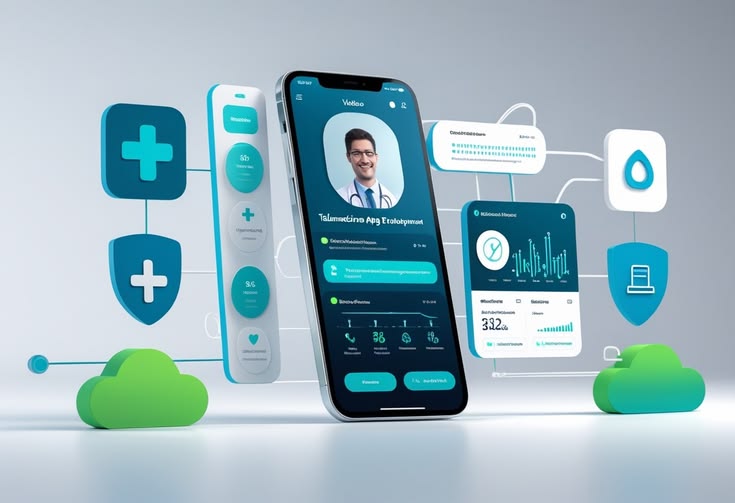
Patient portals and mobile applications can further improve access to selected healthcare services and information.
Data Security and Privacy
Hospitals handle sensitive patient and financial information, making security essential. Hospital management software should include appropriate security measures such as user authentication, role-based access controls, encryption, audit logs, backups, and secure data transmission.
Organizations should also evaluate whether their chosen technology supports applicable healthcare privacy and regulatory requirements.
Scalability for Hospital Growth
Hospitals may expand by adding departments, healthcare professionals, services, locations, and patients. A scalable software platform should be able to accommodate these changes.
Scalable hospital management software can allow organizations to add users, modules, integrations, and functionality as requirements evolve.
Integration With Modern Healthcare Technologies
Modern hospital systems increasingly need to connect with technologies such as telemedicine platforms, mobile applications, patient engagement systems, analytics tools, medical devices, and communication platforms.
Integration capabilities can help create a connected digital healthcare environment and reduce information silos.
Hospital Management Software for Better Operations can help healthcare organizations centralize information, improve communication, automate routine processes, and coordinate departments more efficiently. From patient registration and appointments to billing, laboratory services, pharmacy, inventory, staff management, and reporting, digital solutions can support many aspects of hospital operations.
The right software should be selected according to the hospital’s specific requirements, workflows, security needs, and future growth plans. With appropriate implementation and ongoing support, hospital management software can become an important foundation for efficient, connected, and patient-focused healthcare operations.