
Healthcare clinics manage large amounts of information every day, from patient registration and medical records to appointments, billing, prescriptions, and follow-up communication. Managing these processes manually can consume time and increase the possibility of errors. Clinic EMR software provides a digital approach that can help healthcare organizations organize clinical information and streamline everyday workflows.
By bringing important patient and administrative information into a centralized system, EMR software can improve efficiency while helping healthcare teams spend more time on patient care and less time on repetitive administrative tasks.
Centralizes Patient Information
One of the main benefits of clinic EMR software is centralized access to patient information. Instead of searching through paper files or multiple systems, authorized staff can access relevant electronic records through a digital platform.
Patient information may include medical history, allergies, diagnoses, laboratory results, prescriptions, clinical notes, and previous treatment details. Having information organized in one place can make it easier for healthcare professionals to review records during consultations.
Streamlines Appointment Management
Appointment scheduling is an important administrative responsibility for clinics. Managing appointments manually can result in scheduling conflicts, missed updates, and unnecessary communication.
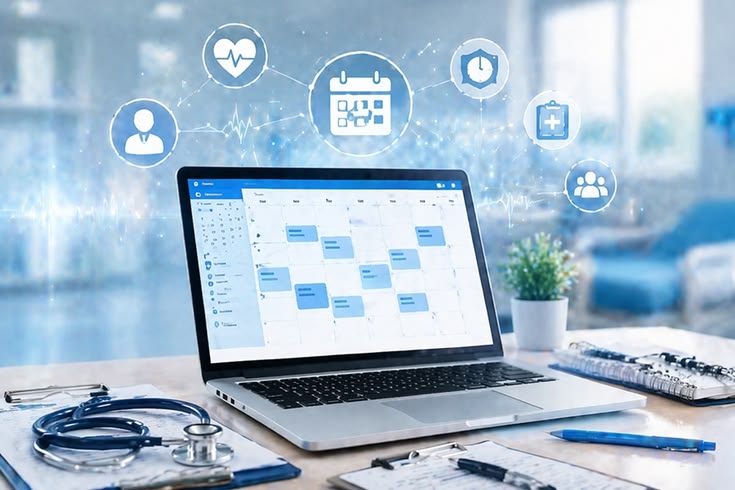
EMR software can provide digital scheduling tools that allow staff to manage appointments more efficiently. Depending on the system, clinics may also be able to manage provider availability, appointment types, cancellations, and rescheduling from a centralized interface.
A more organized scheduling process can help improve daily workflow and reduce administrative workload.
Reduces Manual Data Entry
Healthcare teams often spend significant time entering the same information into different records or systems. Repetitive data entry can slow down operations and increase the possibility of mistakes.
Clinic EMR software can reduce duplication by allowing information entered into one part of the system to be used across relevant workflows. This can make administrative processes faster while improving consistency across patient records.
Improves Clinical Documentation
Accurate documentation is essential for effective healthcare delivery. EMR platforms provide structured digital environments for recording consultation notes, diagnoses, treatment plans, prescriptions, and other clinical information.
Templates and standardized documentation tools can help healthcare professionals record information more consistently. Better-organized records can also make it easier for authorized team members to review previous consultations and understand a patient’s care history.
Enhances Communication Between Staff
Efficient communication is important when multiple healthcare professionals participate in patient care. An EMR system can help authorized staff access updated information and coordinate relevant activities through a shared platform.
For example, reception staff can manage appointments while clinical teams review patient records and administrative staff handle billing-related processes. Connecting these workflows can reduce unnecessary communication gaps.
Supports Faster Access to Records
Paper-based records can take time to locate, organize, and update. Digital records can make information available more quickly to authorized users.
Faster access to patient history and clinical documentation can support more efficient consultations. Healthcare professionals can review relevant information without spending unnecessary time searching through physical documents.
Helps Manage Billing and Administrative Tasks
Many clinic EMR solutions include administrative features that can support billing, invoices, payments, insurance information, and related processes.
Connecting clinical and administrative workflows can reduce the need for repeated data entry. It may also help staff track financial information more systematically and reduce delays caused by disconnected processes.
Improves Prescription Management
Prescription management is another area where digital systems can improve efficiency. Depending on the platform and applicable regulations, EMR software may allow healthcare professionals to create, review, and manage prescription information electronically.
Digital records can make previous medication information easier to review and help reduce problems associated with unclear handwriting or misplaced paper prescriptions.
Supports Reporting and Analytics
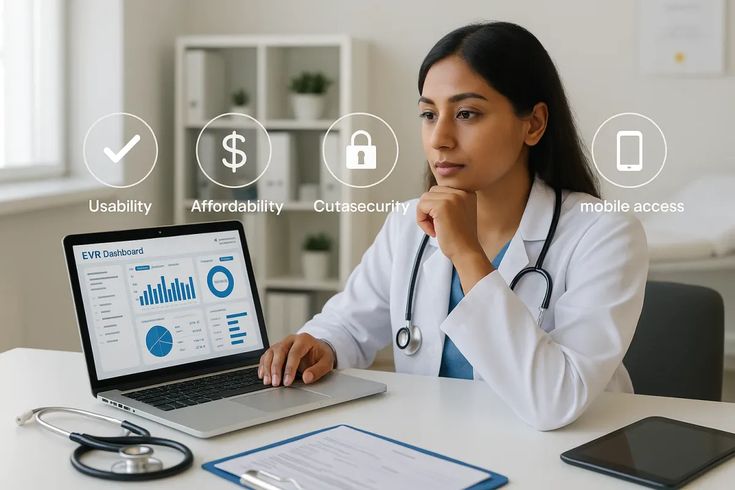
Clinic managers need accurate information to understand how their operations are performing. EMR software can provide reports and dashboards covering areas such as appointment activity, patient volumes, revenue, and workflow performance.
These insights can help management identify operational bottlenecks, monitor trends, and make more informed decisions about staffing and resources.
Strengthens Data Organization and Security
Managing sensitive healthcare information requires appropriate safeguards. Digital EMR platforms can provide access controls, authentication features, audit trails, backups, and other security mechanisms depending on the system.
Centralized digital record management can also reduce the risks associated with misplaced or damaged paper files. Clinics should select systems that support applicable healthcare data protection and privacy requirements.
Enables Better Patient Follow-Up
Consistent follow-up can be important for ongoing care. EMR software can help clinics maintain organized records of previous consultations, treatment plans, appointments, and follow-up requirements.
Some systems may also integrate reminders and communication features that help staff manage follow-up activities more systematically. This can reduce the possibility of important tasks being overlooked.
Reduces Operational Delays
When appointment scheduling, patient records, documentation, billing, and communication are handled through disconnected processes, staff may spend additional time moving information between systems.
Clinic EMR software can connect several workflows within a centralized digital environment. This can reduce unnecessary administrative steps and make everyday clinic operations more efficient.
Improving Efficiency Through Digital Healthcare Workflows
The value of clinic EMR software extends beyond replacing paper records. A well-designed EMR system can connect clinical and administrative processes, improve information accessibility, reduce repetitive work, and support better coordination.
However, efficiency depends on selecting software that matches the clinic’s size, specialty, workflow, integration requirements, security needs, and future growth plans. Proper staff training and ongoing system maintenance are also important for achieving the expected benefits.
Clinic EMR software can significantly improve efficiency by organizing patient information, streamlining appointments, reducing manual data entry, supporting clinical documentation, improving communication, and connecting administrative workflows. Digital records can also provide valuable reporting capabilities and support more organized patient follow-up.
As healthcare organizations continue to adopt digital technologies, an effective EMR solution can provide a strong foundation for more efficient and coordinated clinic operations.