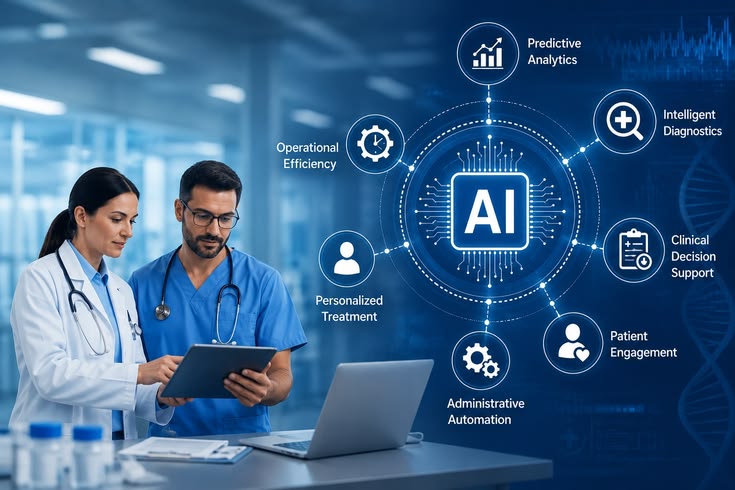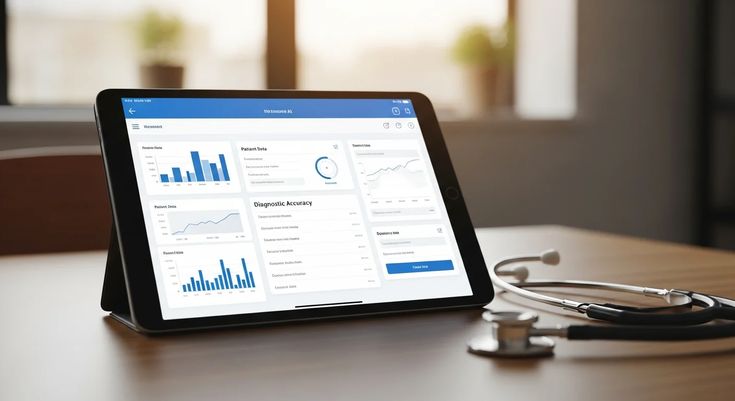


Patient follow-up is an important part of healthcare communication. After a consultation, treatment, procedure, or diagnostic service, patients may need reminders, instructions, check-ins, or future appointments. However, managing follow-ups manually can become challenging for busy healthcare organizations. This is where AI Patient Follow-Up Systems and Their Benefits become increasingly relevant.
AI-powered follow-up systems can help healthcare providers automate appropriate communication, organize patient engagement workflows, and identify follow-up requirements. When implemented responsibly, these systems can support healthcare teams while maintaining the importance of human oversight and professional care.
What Are AI Patient Follow-Up Systems?
AI patient follow-up systems are digital solutions that use artificial intelligence, automation, and healthcare workflow technology to support communication with patients after their interactions with a healthcare provider.
Depending on the system, features may include appointment reminders, automated messages, follow-up scheduling, patient feedback collection, communication workflows, and intelligent routing of certain requests to healthcare staff.
These systems are designed to support administrative and communication processes rather than replace clinical decision-making.
Automated Follow-Up Communication
One of the main benefits of AI-powered follow-up systems is the ability to automate repetitive communication tasks. Healthcare teams can create predefined workflows for appropriate follow-up situations.
For example, a system may send a reminder after an appointment or notify a patient about a scheduled follow-up. Automation can help reduce the need for staff to manually track every communication requirement.
Timely Appointment Reminders
Patients may forget appointments or lose track of recommended follow-up schedules. Automated reminders can provide timely notifications through available communication channels.
Depending on the system, patients may also be able to confirm or reschedule appointments digitally. This can make appointment management more convenient for patients and administrative teams.
Personalized Patient Communication
AI systems can support more personalized communication by using relevant information available within authorized healthcare workflows.
For example, different communication sequences can be created for new patients, patients returning for follow-up care, or patients who need routine appointments. Personalized messaging can make communication more relevant than sending identical messages to every patient.
Reduced Administrative Work
Healthcare staff manage many administrative responsibilities throughout the day. Manually sending reminders, tracking responses, and identifying patients who require follow-up can consume valuable time.
Automation can handle certain repetitive processes according to predefined rules. This can allow staff to focus more attention on patient-facing responsibilities and tasks that require professional judgment.
Better Patient Engagement
Consistent communication can help patients stay connected with their healthcare providers. Follow-up systems can provide reminders and relevant information at appropriate stages of the patient journey.
For example, a patient may receive a reminder about a scheduled follow-up appointment or a notification asking them to contact the clinic when additional assistance is required.
The objective should be to make communication useful and convenient rather than sending unnecessary messages.
Supporting Patient Feedback
Feedback can provide healthcare organizations with information about the patient experience. AI-enabled systems can automate feedback requests after appropriate interactions and organize responses for review.
Healthcare teams can analyze recurring feedback themes to identify potential improvements in communication, scheduling, or administrative processes.
AI-generated analysis should be reviewed appropriately, particularly when feedback involves sensitive healthcare information or requires contextual interpretation.
Intelligent Communication Routing
AI can help categorize certain incoming patient messages and route them to the appropriate department or team member. For example, administrative requests may be directed to scheduling staff, while clinical concerns can be escalated to qualified healthcare professionals.
This can help reduce delays caused by sending every request through the same workflow.
However, systems should have clear escalation rules for situations that may require urgent or clinical attention.
Supporting Continuity of Care
Healthcare often involves multiple interactions rather than a single appointment. Follow-up systems can help maintain communication between visits and support established care workflows.
For example, patients may receive reminders for scheduled reviews, routine appointments, or other predefined follow-up activities. These workflows can help healthcare organizations maintain more consistent communication over time.
AI should support, rather than independently determine, clinical care decisions.
Data-Driven Patient Engagement
AI systems can process engagement information and identify patterns in communication and appointment activity. Healthcare organizations may use these insights to understand areas where patients frequently stop responding, miss appointments, or require additional administrative support.
These insights can help organizations review their workflows and identify opportunities for improvement.
Patient information should be processed according to applicable privacy, security, and healthcare data requirements.
Integration With Healthcare Software
AI follow-up systems can become more useful when they integrate with existing healthcare technologies. Depending on the solution, integrations may include electronic health records, electronic medical records, practice management systems, appointment scheduling platforms, patient portals, CRM systems, and communication tools.
Integration can reduce duplicate data entry and help healthcare teams maintain more connected workflows.
Security and Privacy
Healthcare organizations handle sensitive patient information, making security and privacy essential when implementing AI follow-up technology.
Important considerations may include:
- Secure authentication
- Role-based access controls
- Data encryption
- Audit trails
- Secure integrations
- Appropriate data storage
- Privacy controls
- Staff training
- Compliance with applicable healthcare regulations
Healthcare organizations should also understand how an AI system processes, stores, and uses patient information before implementation.
Human Oversight Remains Important
AI can automate many communication and administrative processes, but healthcare still depends on human expertise. Automated systems may misunderstand messages, produce inappropriate responses, or fail to recognize situations that require professional attention.
Healthcare providers should therefore establish clear boundaries around AI use. Clinical decisions, urgent concerns, complex patient questions, and sensitive situations should be handled or reviewed by qualified professionals as appropriate.
Choosing an AI Follow-Up System
Healthcare organizations should evaluate AI follow-up software based on their specific requirements. Important factors can include communication channels, workflow customization, healthcare system integrations, reporting capabilities, security controls, usability, scalability, and support for human escalation.
The best solution should fit existing clinical and administrative workflows while making communication more efficient for both patients and staff.
AI Patient Follow-Up Systems and Their Benefits demonstrate how artificial intelligence can support healthcare organizations with communication, appointment reminders, patient engagement, feedback collection, workflow automation, and administrative efficiency.
The value of these systems comes from using AI thoughtfully. Strong security, privacy, reliable integrations, clear escalation processes, and human oversight are essential. When these elements are combined, AI-powered follow-up technology can help healthcare organizations create more organized and responsive patient communication while keeping professional healthcare teams at the center of patient care.