Automated Patient Follow-Up Workflows
Healthcare providers are constantly looking for ways to improve patient care while reducing administrative workload. One of the most effective

Healthcare providers are constantly looking for ways to improve patient care while reducing administrative workload. One of the most effective solutions is implementing Automated Patient Follow-Up Workflows. These workflows help healthcare organizations maintain regular communication with patients after appointments, treatments, or procedures, ensuring better health outcomes, higher patient satisfaction, and increased operational efficiency.
Whether it's reminding patients about medication, scheduling follow-up appointments, collecting feedback, or monitoring recovery, automation enables healthcare providers to deliver timely and personalized care without overwhelming their staff. As healthcare becomes increasingly digital, automated follow-up systems have become an essential part of modern patient engagement strategies.
What Are Automated Patient Follow-Up Workflows?
Automated Patient Follow-Up Workflows are technology-driven processes that automatically send personalized communications to patients based on predefined triggers or schedules. These communications can be delivered through email, SMS, phone calls, mobile apps, or patient portals.
Common follow-up activities include:
- Appointment reminders
- Post-treatment care instructions
- Medication reminders
- Recovery progress check-ins
- Patient satisfaction surveys
- Preventive care notifications
- Vaccination reminders
- Chronic disease monitoring
By automating these routine interactions, healthcare providers ensure that no patient is overlooked while reducing manual administrative tasks.
Why Automated Follow-Up Matters
Many patients forget important medical instructions after leaving a clinic or hospital. Others may postpone follow-up appointments, miss medications, or fail to report complications. These gaps in communication can affect recovery and lead to avoidable hospital readmissions.
Automated follow-up workflows help bridge these gaps by keeping patients informed and engaged throughout their healthcare journey. Timely reminders and personalized communication encourage patients to stay on track with their treatment plans and seek medical attention when necessary.
Improving Patient Engagement
Patient engagement plays a vital role in achieving positive health outcomes. Regular communication makes patients feel supported and encourages them to actively participate in their care.
Automated workflows allow healthcare providers to send:
- Personalized wellness tips
- Recovery guidance
- Health education resources
- Lifestyle recommendations
- Follow-up appointment confirmations
Consistent communication builds stronger relationships between patients and healthcare providers while increasing patient trust and satisfaction.
Reducing Missed Appointments
Missed appointments are a significant challenge for healthcare organizations, resulting in lost revenue and delayed patient care.
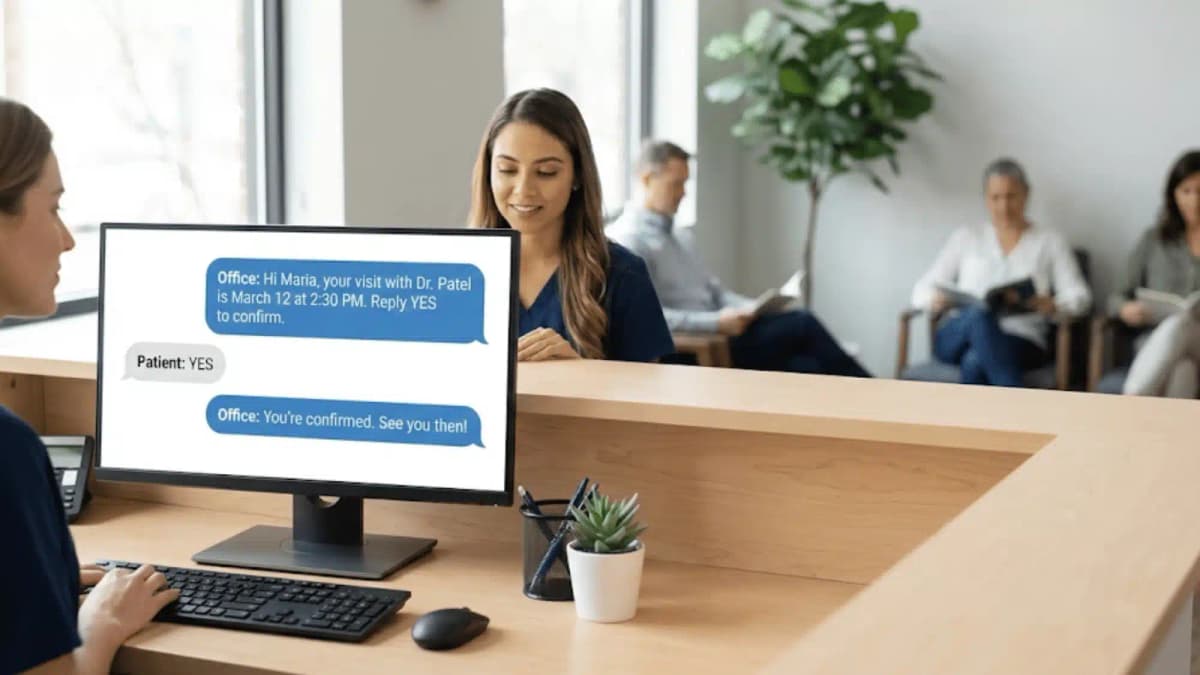
Automated reminders sent via SMS, email, or phone calls significantly reduce no-show rates by notifying patients about upcoming appointments and allowing them to confirm, reschedule, or cancel with ease.
These reminders help optimize appointment schedules while improving clinic efficiency.
Supporting Better Treatment Compliance
Many treatments require patients to follow specific instructions after leaving the healthcare facility. Automated workflows help reinforce these instructions by sending scheduled reminders about medications, dietary restrictions, exercise plans, wound care, or rehabilitation exercises.
Patients receive timely guidance that improves adherence to treatment plans and reduces the risk of complications.
Personalized Communication Improves Patient Experience
Modern healthcare focuses on personalized care. Automated systems can customize follow-up messages based on:
- Medical condition
- Treatment received
- Age group
- Language preference
- Appointment type
- Recovery stage
Personalized communication creates a more meaningful patient experience and encourages higher engagement compared to generic messages.
Collecting Patient Feedback
Patient feedback helps healthcare providers improve service quality and identify opportunities for improvement.
Automated follow-up workflows can send satisfaction surveys shortly after appointments or procedures, allowing patients to share their experiences while they are still fresh.
Feedback collected through automated surveys can provide insights into:
- Staff performance
- Waiting times
- Treatment satisfaction
- Facility cleanliness
- Communication quality
Healthcare organizations can use this information to enhance patient care and strengthen their reputation.
Managing Chronic Disease Care
Patients with chronic conditions such as diabetes, hypertension, asthma, or heart disease require continuous monitoring.
Automated workflows help healthcare providers stay connected by sending:
- Medication reminders
- Blood pressure tracking requests
- Blood sugar monitoring prompts
- Lifestyle recommendations
- Regular health assessments
Continuous communication encourages better self-management and supports long-term health outcomes.
Integrating with Healthcare CRM Systems
Modern Healthcare CRM platforms make automated patient follow-up even more effective by centralizing patient data and communication history.
Integration with CRM systems enables providers to:
- Trigger follow-up messages automatically
- Track patient responses
- Schedule future appointments
- Monitor engagement levels
- Generate performance reports
- Personalize communication using patient history
These capabilities streamline operations while delivering a more coordinated patient experience.
Ensuring Security and Compliance
Patient information is highly sensitive, making data security a top priority. Automated follow-up systems should comply with healthcare regulations such as HIPAA or applicable local privacy laws.
Healthcare organizations should implement:
- Secure data encryption
- Access controls
- Audit logs
- Secure messaging channels
- Regular security updates
Protecting patient information builds trust and ensures compliance with regulatory requirements.
The Future of Automated Patient Follow-Up
Emerging technologies such as artificial intelligence, predictive analytics, and conversational chatbots are transforming patient follow-up. AI-powered systems can identify high-risk patients, recommend personalized care plans, and automate more complex communication based on patient behavior and health data.
As digital healthcare continues to evolve, automated workflows will become even more intelligent, helping providers deliver proactive, efficient, and patient-centered care.
Automated Patient Follow-Up Workflows are transforming the way healthcare organizations communicate with patients after appointments and treatments. By automating reminders, recovery check-ins, medication notifications, appointment scheduling, and feedback collection, providers can improve patient engagement, reduce missed appointments, support treatment adherence, and enhance overall healthcare outcomes.
Investing in automated follow-up solutions not only reduces administrative workload but also strengthens patient relationships and improves operational efficiency. As healthcare continues to embrace digital transformation, automated patient follow-up workflows will remain an essential tool for delivering high-quality, personalized, and connected patient care.
The Doctorna editorial desk writes about healthcare operations, patient experience and the systems clinics use to connect them.