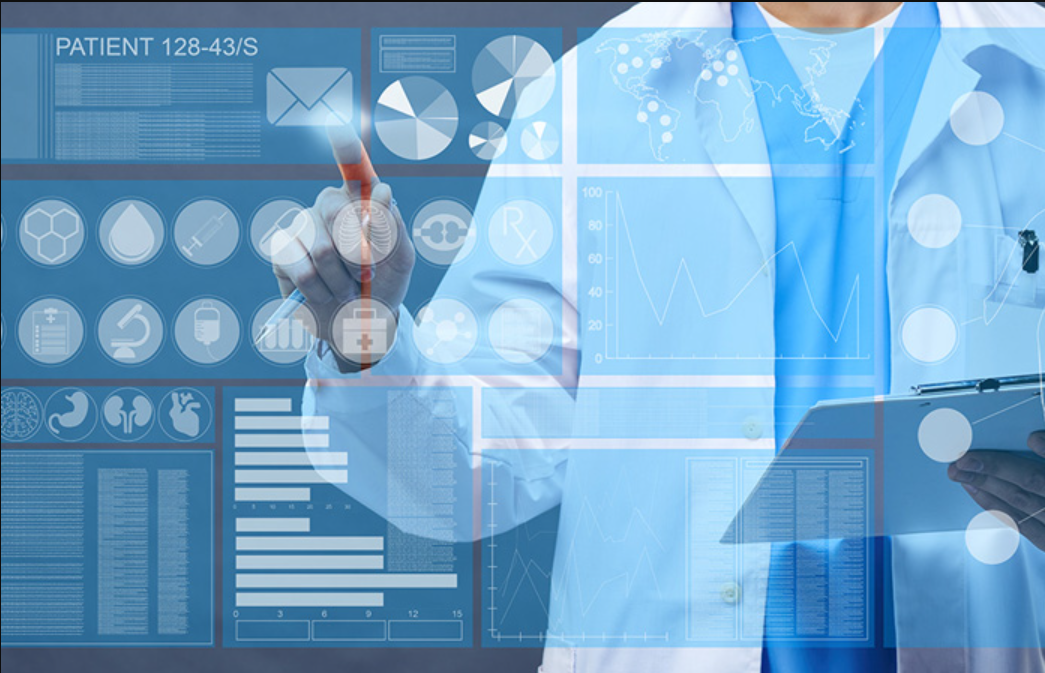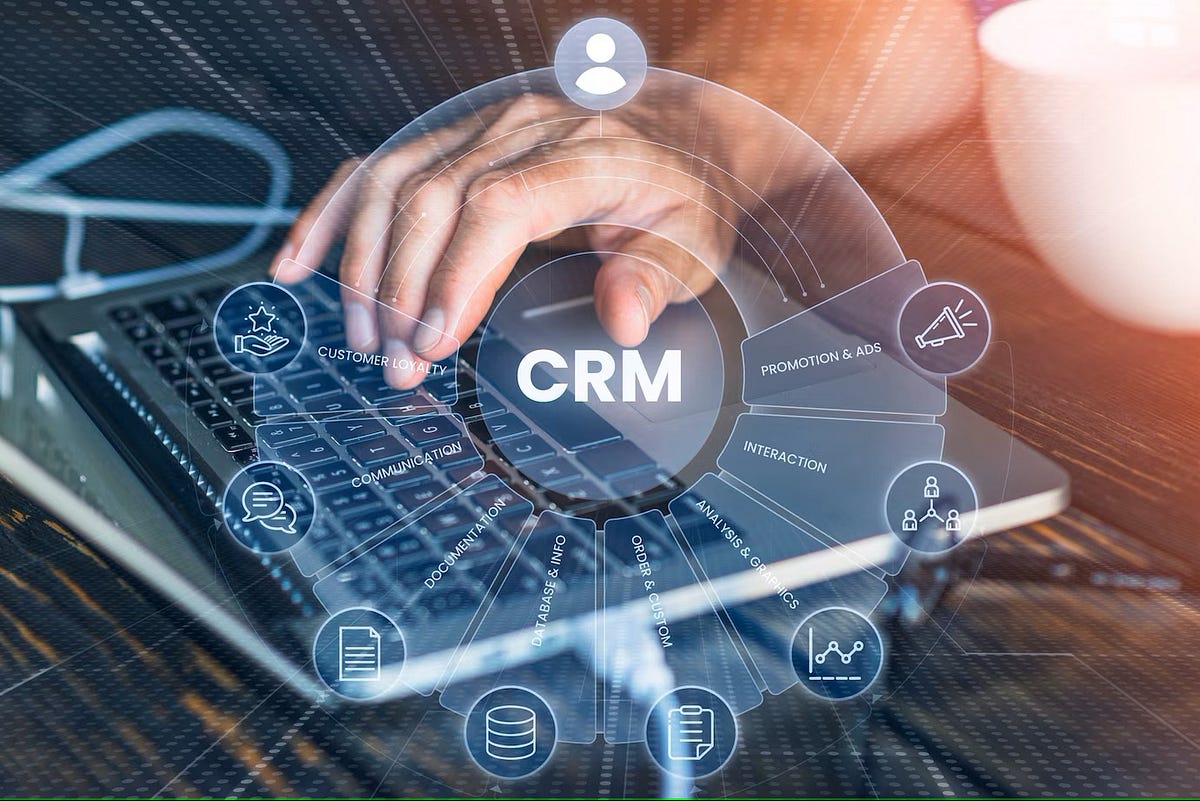


Healthcare is rapidly shifting from reactive treatment models to proactive and predictive care systems. Instead of waiting for patients to become ill, modern healthcare providers now aim to predict health risks early and intervene before conditions worsen. One of the most powerful tools enabling this transformation is healthcare CRM integrated with predictive analytics.
A healthcare CRM for predictive analytics in patient care uses data, artificial intelligence, and machine learning to analyze patient information and forecast potential health outcomes. This allows healthcare providers to deliver more personalized, efficient, and timely care while improving long-term patient health.
By combining patient relationship management with advanced analytics, healthcare organizations can move toward smarter, data-driven decision-making.
Understanding Predictive Analytics in Healthcare CRM
Predictive analytics involves analyzing historical and real-time data to forecast future events or outcomes. In healthcare CRM systems, predictive analytics processes patient data such as:
- Medical history
- Lab results
- Lifestyle information
- Appointment records
- Medication adherence
- Genetic risk factors
Using this data, the system identifies patterns that help predict potential health risks or disease progression.
This enables healthcare providers to take preventive action before conditions become serious.
How Healthcare CRM Enhances Predictive Patient Care
Healthcare CRM systems act as centralized platforms where all patient data is stored, organized, and analyzed. When predictive analytics is integrated, the system becomes a powerful decision-support tool for healthcare professionals.
Key capabilities include:
- Risk scoring for patients
- Early disease detection insights
- Personalized treatment recommendations
- Patient behavior analysis
- Automated health alerts
This combination helps providers deliver more accurate and timely care interventions.
Early Detection of Health Risks
One of the most important benefits of healthcare CRM for predictive analytics in patient care is early risk detection. By analyzing patient data trends, the system can identify warning signs of potential diseases before symptoms become severe.
For example, predictive models can identify risks for:
- Diabetes
- Heart disease
- Kidney disorders
- Respiratory illnesses
- Hypertension
Early detection allows healthcare providers to recommend screenings, lifestyle changes, or preventive treatments.
This significantly improves patient outcomes and reduces emergency care needs.
Personalized Treatment and Care Plans
Predictive analytics enables healthcare CRM systems to create highly personalized care plans. Instead of applying a one-size-fits-all approach, healthcare providers can tailor treatments based on individual risk profiles.
Personalized care plans may include:
- Customized medication schedules
- Lifestyle modification programs
- Diet and nutrition plans
- Exercise recommendations
- Regular monitoring schedules
Personalization increases treatment effectiveness and improves patient compliance.
Patients are more likely to follow care plans when recommendations are relevant to their specific health conditions.
Improved Patient Engagement and Monitoring
Healthcare CRM systems enhance patient engagement by maintaining continuous communication and monitoring. Predictive analytics helps identify patients who may require additional attention or support.
Engagement strategies include:
- Automated follow-up reminders
- Personalized health alerts
- Educational health content
- Remote monitoring updates
- Behavior-based notifications
This continuous engagement helps healthcare providers ensure patients stay on track with treatment plans and preventive care routines.
Reducing Hospital Readmissions
Hospital readmissions are a major challenge for healthcare systems worldwide. Predictive analytics in healthcare CRM helps reduce readmission rates by identifying high-risk patients early.
The system can flag patients who are more likely to be readmitted based on:
- Previous hospitalization history
- Chronic disease conditions
- Medication adherence patterns
- Post-treatment recovery data
Healthcare providers can then offer targeted follow-up care, reducing unnecessary hospital visits and improving recovery outcomes.
Data-Driven Clinical Decision Support
Healthcare CRM systems equipped with predictive analytics provide valuable decision support for doctors and healthcare professionals. Instead of relying solely on manual assessments, clinicians can use data-driven insights to guide treatment decisions.
Benefits include:
- Faster diagnosis support
- Improved treatment accuracy
- Evidence-based recommendations
- Reduced clinical errors
- Better resource allocation
This leads to more efficient and reliable healthcare delivery.
Identifying High-Risk Patient Groups
Predictive analytics allows healthcare CRM systems to categorize patients based on risk levels. High-risk patients can be prioritized for immediate attention and continuous monitoring.
Risk classification may include:
- Low-risk patients (routine care)
- Medium-risk patients (regular monitoring)
- High-risk patients (intensive care and follow-up)
This structured approach ensures that healthcare resources are used efficiently while improving patient safety.
Enhancing Preventive Healthcare Strategies
Predictive analytics strengthens preventive healthcare by identifying potential health issues before they occur. Healthcare CRM systems help design proactive health programs based on predictive insights.
Preventive strategies include:
- Early screening programs
- Vaccination reminders
- Wellness coaching
- Lifestyle intervention plans
This proactive approach reduces disease occurrence and improves population health outcomes.
Integration with Artificial Intelligence and Machine Learning
Artificial intelligence (AI) and machine learning play a major role in enhancing predictive analytics capabilities within healthcare CRM systems.
AI enables:
- Pattern recognition in large datasets
- Continuous learning from patient data
- Real-time risk prediction
- Automated decision support
- Personalized health insights
Machine learning models improve over time, making predictions more accurate and reliable.
Real-Time Health Monitoring
Modern healthcare CRM systems integrate with wearable devices, mobile apps, and remote monitoring tools. This allows continuous tracking of patient health data in real time.
Examples of monitored data include:
- Heart rate
- Blood pressure
- Oxygen levels
- Physical activity
- Sleep patterns
Real-time data improves predictive accuracy and allows immediate intervention when needed.
Better Resource Management in Healthcare
Predictive analytics also helps healthcare organizations manage resources more effectively. By forecasting patient demand and health trends, hospitals can optimize staffing, equipment, and facility usage.
Benefits include:
- Reduced waiting times
- Improved staff allocation
- Efficient hospital operations
- Lower operational costs
This ensures better service delivery and patient satisfaction.
Enhancing Chronic Disease Management
Chronic diseases require continuous monitoring and long-term care. Predictive analytics in healthcare CRM systems helps manage these conditions more effectively.
Common chronic conditions managed include:
- Diabetes
- Cardiovascular diseases
- Asthma
- Cancer-related care
- Hypertension
Predictive systems help identify disease progression patterns and recommend timely interventions.
Improving Patient Outcomes
The ultimate goal of predictive analytics in healthcare CRM is to improve patient outcomes. By providing early warnings, personalized care, and continuous monitoring, healthcare providers can significantly enhance treatment effectiveness.
Positive outcomes include:
- Faster recovery rates
- Reduced complications
- Improved quality of life
- Increased patient satisfaction
- Lower mortality rates
Data-driven care ensures better health results for patients.
Challenges in Implementing Predictive Healthcare CRM
Despite its benefits, implementing predictive analytics in healthcare CRM comes with challenges such as:
- Data privacy and security concerns
- Integration with existing systems
- High implementation costs
- Need for skilled professionals
- Data quality and accuracy issues
Addressing these challenges requires strong infrastructure, training, and regulatory compliance.
Future of Predictive Analytics in Healthcare CRM
The future of healthcare CRM for predictive analytics in patient care is highly promising. Advancements in AI, big data, and cloud computing will make predictive systems more accurate and accessible.
Future trends include:
- AI-powered virtual health assistants
- Fully automated predictive diagnosis systems
- Real-time global health monitoring
- Integration with genomics and personalized medicine
- Smart hospital ecosystems
These innovations will continue transforming healthcare into a more predictive, preventive, and personalized system.
Conclusion
A healthcare CRM for predictive analytics in patient care is revolutionizing the way healthcare providers deliver services. By combining patient data management with advanced analytics, healthcare organizations can predict health risks, personalize treatments, and improve patient outcomes.
This data-driven approach enables early intervention, reduces hospital readmissions, enhances preventive care, and supports better clinical decision-making. As technology continues to evolve, predictive analytics will play an even more critical role in building smarter, more efficient, and patient-centered healthcare systems.