

Patient satisfaction has become one of the most important indicators of success in modern healthcare. Hospitals, clinics, and healthcare organizations are increasingly focusing on improving patient experiences while maintaining high standards of medical care. As patient expectations continue to evolve, healthcare providers need efficient systems to monitor communication, engagement, treatment feedback, and overall satisfaction. This is where healthcare CRM solutions play a critical role.
A healthcare CRM for tracking patient satisfaction over time helps medical organizations manage patient relationships more effectively while collecting valuable insights about healthcare experiences. CRM systems enable healthcare providers to centralize patient interactions, improve communication, monitor feedback trends, and create personalized care strategies that strengthen long-term patient relationships.
By using healthcare CRM platforms, organizations can better understand patient needs, improve service quality, and build trust while supporting operational efficiency and long-term growth.
Understanding Healthcare CRM
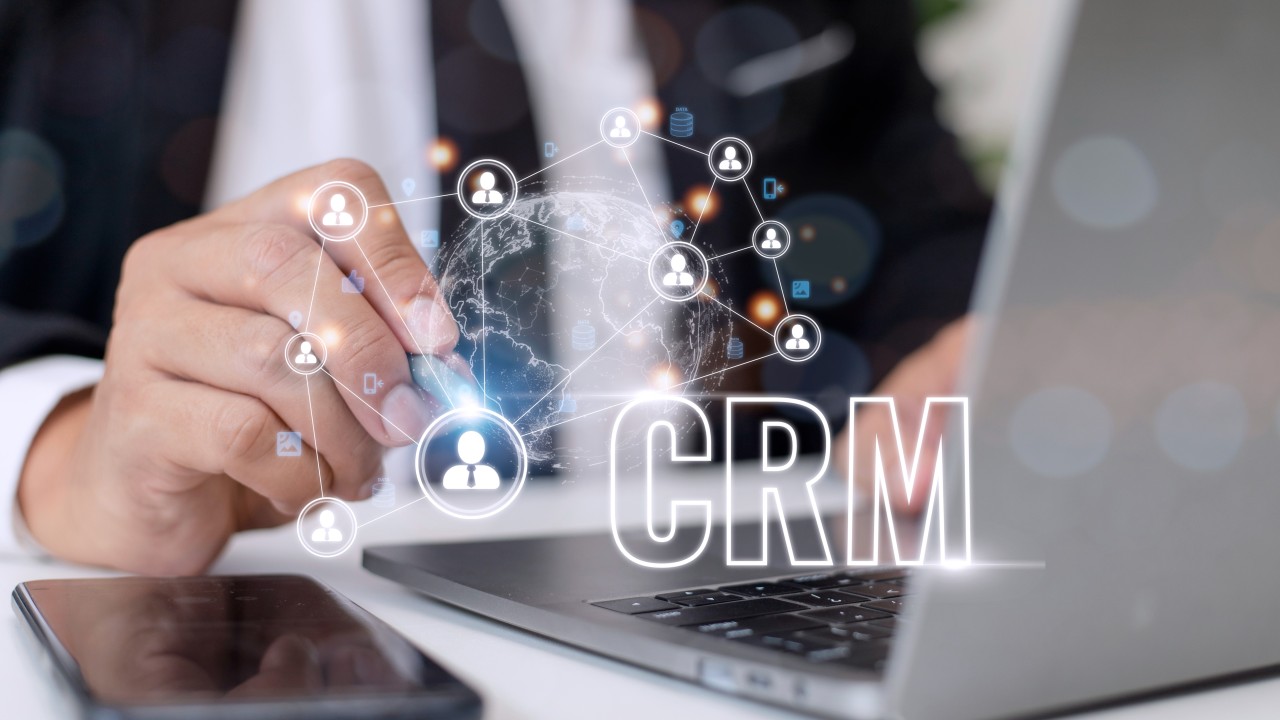
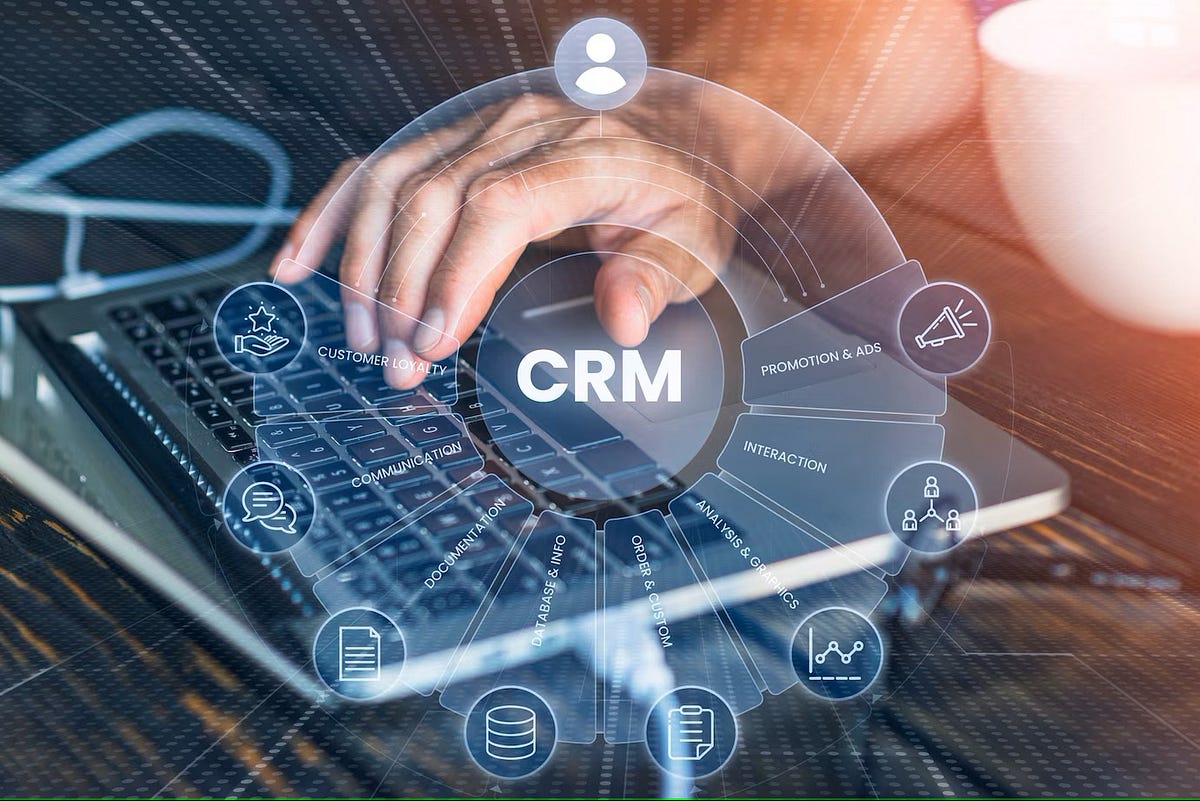
Healthcare CRM stands for Customer Relationship Management specifically designed for healthcare environments. Unlike traditional CRM systems used in retail or sales industries, healthcare CRM platforms focus on patient engagement, communication management, appointment coordination, and patient satisfaction tracking.
Healthcare CRM systems collect and organize patient-related information such as:
- Appointment history
- Communication records
- Feedback responses
- Treatment preferences
- Follow-up schedules
- Patient engagement activities
These systems help healthcare providers deliver more personalized and responsive patient experiences.
Importance of Tracking Patient Satisfaction
Patient satisfaction directly affects healthcare reputation, patient retention, referrals, and overall operational performance. Healthcare organizations that consistently monitor patient experiences can identify service gaps and improve care quality.
Tracking patient satisfaction helps organizations:
- Improve communication quality
- Enhance patient trust
- Increase patient loyalty
- Reduce complaints
- Improve operational efficiency
- Strengthen healthcare reputation
Long-term satisfaction monitoring provides valuable insights into patient expectations and service performance trends.
Centralized Patient Data Management
One of the biggest advantages of healthcare CRM systems is centralized data management. Healthcare providers often interact with patients through multiple channels including phone calls, emails, websites, mobile applications, and in-person visits.
A healthcare CRM centralizes all patient interactions into one system, allowing staff to access complete patient communication histories quickly and efficiently.
Centralized records improve:
- Care coordination
- Administrative efficiency
- Communication consistency
- Patient support quality
Organized data management also helps healthcare providers respond more effectively to patient concerns and feedback.
Personalized Patient Communication
Personalized communication is essential for improving patient satisfaction. Healthcare CRM systems allow providers to tailor communication based on patient preferences, treatment history, and engagement patterns.
Personalized communication may include:
- Appointment reminders
- Follow-up messages
- Wellness recommendations
- Health education content
- Medication reminders
- Preventive care notifications
Patients are more likely to feel valued and supported when communication feels relevant and personalized.
Automated Feedback Collection
Healthcare CRM platforms simplify the process of collecting patient feedback. Automated surveys and feedback requests can be sent after appointments, treatments, or consultations.
Common feedback methods include:
- Email surveys
- SMS questionnaires
- Mobile app reviews
- Online feedback forms
- Patient satisfaction ratings
Automated systems increase response rates while reducing administrative workload.
Consistent feedback collection allows healthcare providers to monitor satisfaction trends over time and identify areas requiring improvement.
Real-Time Patient Satisfaction Monitoring
Real-time analytics is one of the most valuable features of a healthcare CRM for tracking patient satisfaction over time. Healthcare organizations can instantly monitor patient feedback and identify emerging concerns before they escalate.
Real-time monitoring helps providers:
- Respond quickly to complaints
- Improve service recovery
- Track satisfaction metrics continuously
- Identify operational issues early
Immediate access to patient insights supports faster decision-making and proactive service improvements.
Improved Appointment Management
Scheduling and appointment management significantly influence patient satisfaction. Delays, missed appointments, and communication gaps often create negative experiences.
Healthcare CRM systems streamline appointment management through:
- Automated scheduling
- Appointment reminders
- Online booking systems
- Rescheduling support
- Waitlist management
Efficient appointment coordination reduces frustration and improves patient convenience.
Enhancing Patient Retention
Patient retention is essential for long-term healthcare success. Satisfied patients are more likely to continue using healthcare services and recommend providers to others.
Healthcare CRM systems help improve retention by:
- Maintaining regular communication
- Tracking patient preferences
- Providing personalized care experiences
- Monitoring satisfaction patterns
- Supporting proactive engagement
Long-term relationship management creates stronger patient loyalty and trust.
Data Analytics and Reporting
Healthcare CRM platforms provide advanced analytics tools that help organizations understand patient satisfaction trends over time.
Important metrics may include:
- Patient satisfaction scores
- Response rates
- Service quality trends
- Appointment attendance rates
- Communication effectiveness
- Patient retention statistics
Detailed reporting helps healthcare leaders identify strengths, address weaknesses, and improve strategic planning.
Supporting Telemedicine and Digital Healthcare
As digital healthcare services continue growing, healthcare CRM systems play an important role in managing virtual patient experiences.
CRM integration supports:
- Telemedicine appointment tracking
- Virtual consultation follow-ups
- Online patient communication
- Digital health monitoring
- Remote patient engagement
Healthcare providers can maintain high levels of patient satisfaction even in remote care environments.
Improving Care Coordination
Healthcare often involves multiple departments, specialists, and administrative teams. Poor coordination can negatively affect patient experiences.
Healthcare CRM systems improve coordination by ensuring all departments have access to updated patient information and communication histories.
Better coordination helps:
- Reduce communication errors
- Improve treatment continuity
- Enhance patient experiences
- Support faster service delivery
Integrated systems create smoother healthcare journeys for patients.
Security and Compliance in Healthcare CRM
Patient data security is critical in healthcare environments. Healthcare CRM platforms must comply with healthcare regulations and data protection standards.
Security features often include:
- Data encryption
- Role-based access controls
- Secure cloud storage
- Audit tracking
- Multi-factor authentication
Strong security measures help protect sensitive patient information while maintaining trust and regulatory compliance.
AI and Automation in Healthcare CRM
Artificial intelligence is transforming healthcare CRM capabilities by improving automation and predictive analysis.
AI-powered features may include:
- Predictive patient behavior analysis
- Automated communication workflows
- Intelligent scheduling systems
- Sentiment analysis for patient feedback
- Personalized healthcare recommendations
AI integration helps healthcare organizations improve efficiency while delivering more responsive patient experiences.
Benefits for Healthcare Staff
Healthcare CRM systems benefit not only patients but also healthcare staff and administrators.
Advantages for staff include:
- Reduced administrative workload
- Faster access to patient information
- Improved communication efficiency
- Better workflow management
- Enhanced productivity
Efficient systems allow healthcare professionals to focus more on patient care and less on manual administrative tasks.
Future of Healthcare CRM Systems
The future of healthcare CRM technology will likely include even more advanced personalization, automation, and predictive capabilities.
Emerging trends include:
- AI-driven patient engagement
- Predictive healthcare analytics
- Voice-enabled CRM systems
- Integration with wearable health devices
- Advanced telehealth support
These innovations will continue improving patient satisfaction tracking and healthcare relationship management.
Conclusion
A healthcare CRM for tracking patient satisfaction over time provides healthcare organizations with powerful tools to improve communication, monitor patient experiences, and strengthen long-term relationships. By centralizing patient data, automating feedback collection, and supporting personalized engagement, CRM systems help healthcare providers deliver higher-quality patient experiences.
As healthcare continues evolving toward more patient-centered care models, CRM technology will remain essential for improving satisfaction, operational efficiency, and service quality. Organizations that invest in effective healthcare CRM solutions can better understand patient needs, enhance trust, and build stronger healthcare experiences for the future.