
Preventive healthcare has become one of the most important approaches in modern medical systems. Instead of treating diseases after they appear, healthcare providers now focus on early detection, risk reduction, and long-term wellness management. In this shift toward proactive care, technology plays a major role. One of the most powerful tools enabling this transformation is healthcare CRM.
A healthcare CRM for supporting preventive healthcare programs helps medical organizations manage patient data, monitor health risks, schedule preventive screenings, and improve communication. By using structured data and automated systems, healthcare providers can encourage patients to take timely actions that reduce the risk of serious illnesses.
This approach not only improves patient outcomes but also reduces long-term healthcare costs and strengthens overall public health systems.
Understanding Preventive Healthcare Programs
Preventive healthcare focuses on reducing the likelihood of diseases before they occur or detecting them at an early stage when treatment is more effective. These programs include:
- Routine health checkups
- Vaccination reminders
- Screening for chronic diseases
- Lifestyle counseling
- Risk assessment programs
- Wellness monitoring
The main goal is to identify potential health risks early and encourage healthy habits that prevent disease progression.
Healthcare CRM systems enhance these programs by organizing patient data and enabling timely interventions.
Role of Healthcare CRM in Preventive Care
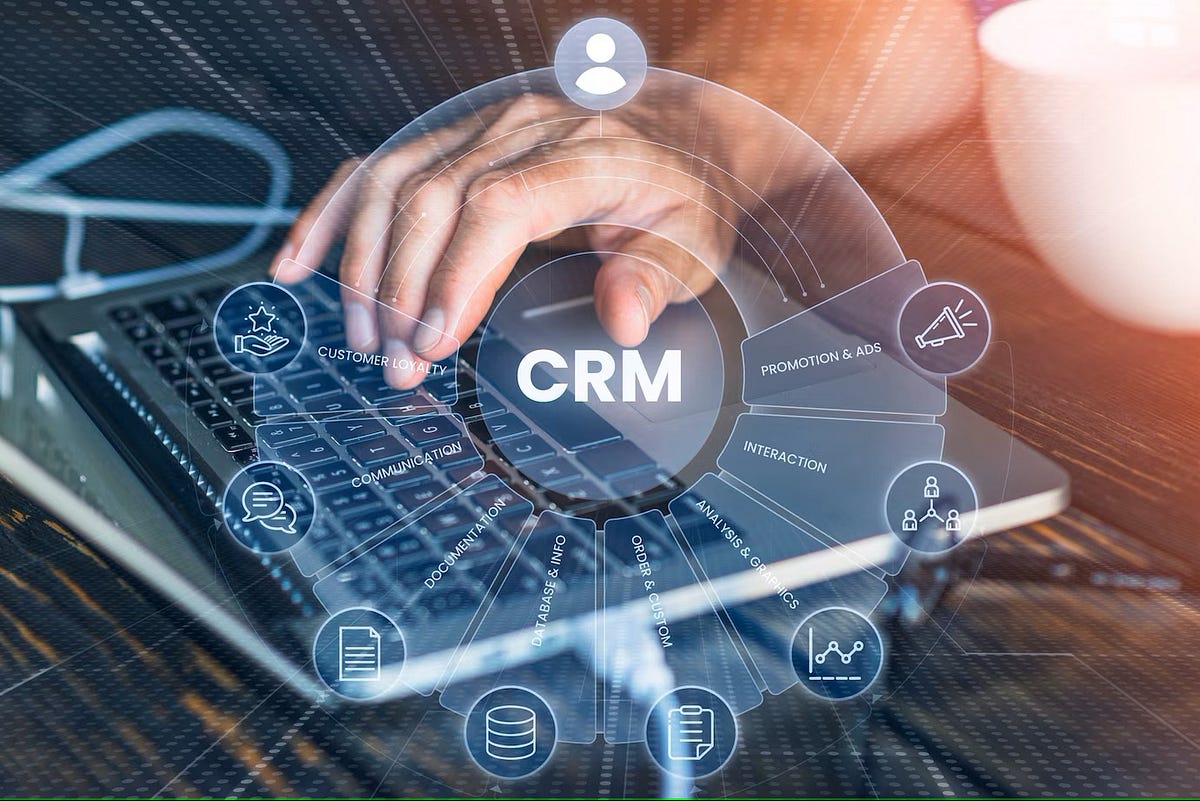
Healthcare CRM systems are designed to manage patient relationships and communication. When applied to preventive healthcare, they become powerful tools for tracking health trends and encouraging proactive care.
A healthcare CRM helps providers:
- Store patient medical history
- Identify at-risk patients
- Send preventive care reminders
- Track screening schedules
- Monitor follow-up care
- Analyze health trends over time
By centralizing patient information, healthcare CRM systems ensure that preventive care is consistent, timely, and personalized.
Early Identification of Health Risks
One of the most important benefits of healthcare CRM for supporting preventive healthcare programs is early risk identification. By analyzing patient data such as age, lifestyle, medical history, and family background, CRM systems can help identify individuals at higher risk of certain conditions.
For example, patients at risk of:
- Diabetes
- Heart disease
- Hypertension
- Respiratory conditions
can be flagged for early screening and regular monitoring.
Early identification allows healthcare providers to take preventive actions before conditions become severe.
Personalized Preventive Care Plans
Every patient has unique health needs. Healthcare CRM systems allow providers to create personalized preventive care plans based on individual health profiles.
These plans may include:
- Customized screening schedules
- Diet and nutrition recommendations
- Exercise plans
- Medication reminders
- Regular checkup alerts
Personalized care increases patient engagement and improves compliance with preventive healthcare programs.
When patients receive tailored recommendations, they are more likely to follow through with preventive actions.
Automated Reminders and Alerts
One of the biggest challenges in preventive healthcare is ensuring patients attend regular screenings and follow-ups. Healthcare CRM systems solve this problem through automation.
Automated reminders can be sent via:
- SMS notifications
- Email alerts
- Mobile app notifications
- Phone call reminders
These reminders help patients remember important appointments such as:
- Annual health checkups
- Vaccination schedules
- Screening tests
- Follow-up visits
Automation reduces missed appointments and ensures continuous preventive care.
Improved Patient Engagement
Patient engagement is a key factor in successful preventive healthcare programs. Healthcare CRM systems improve engagement by maintaining regular communication between healthcare providers and patients.
Engagement strategies include:
- Educational health content
- Wellness tips and updates
- Personalized health recommendations
- Progress tracking dashboards
- Interactive health surveys
When patients stay informed and involved, they are more likely to adopt healthier behaviors and participate in preventive programs.
Data-Driven Health Monitoring
Healthcare CRM systems collect large amounts of patient data that can be used to monitor health trends over time. This data helps healthcare providers make informed decisions about preventive care strategies.
Data analysis can reveal:
- Increasing risk patterns in populations
- Effectiveness of preventive programs
- Common lifestyle-related health issues
- Patient adherence rates
Data-driven insights improve planning and help healthcare organizations allocate resources more effectively.
Supporting Chronic Disease Prevention
Chronic diseases often develop over time and can be prevented or managed effectively if detected early. Healthcare CRM systems play a major role in chronic disease prevention by tracking patient risk factors and monitoring health conditions continuously.
Common chronic conditions addressed include:
- Diabetes
- Cardiovascular diseases
- Asthma
- Obesity-related conditions
CRM systems help ensure patients receive timely screenings and lifestyle guidance to prevent disease progression.
Enhancing Communication Between Patients and Providers
Clear communication is essential in preventive healthcare. Healthcare CRM platforms improve communication by providing structured channels for interaction.
Benefits include:
- Centralized communication history
- Faster response to patient queries
- Easy sharing of medical updates
- Consistent follow-up communication
Improved communication builds trust and encourages patients to take preventive measures seriously.
Supporting Vaccination Programs
Vaccination is a key part of preventive healthcare. Healthcare CRM systems help manage vaccination schedules and ensure patients receive timely immunizations.
CRM systems can:
- Track vaccination history
- Send vaccination reminders
- Identify missed doses
- Monitor community immunization coverage
This ensures better public health protection and reduces the risk of preventable diseases.
Reducing Healthcare Costs
Preventive healthcare significantly reduces long-term healthcare expenses by avoiding expensive treatments for advanced diseases. Healthcare CRM systems contribute to cost savings by improving efficiency and early intervention.
Cost benefits include:
- Reduced emergency treatments
- Lower hospitalization rates
- Efficient resource allocation
- Minimized administrative workload
Preventive care supported by CRM systems leads to healthier populations and lower healthcare costs overall.
Improving Population Health Management
Healthcare CRM systems are also useful for managing health at a population level. By analyzing large datasets, healthcare providers can identify trends and implement community health programs.
Population health management benefits include:
- Identifying high-risk groups
- Designing targeted health campaigns
- Improving community screening programs
- Tracking regional health trends
This helps healthcare systems move from reactive care to proactive population health management.
Integration with Digital Health Tools
Modern healthcare CRM systems integrate with various digital health technologies to improve preventive care outcomes.
These include:
- Wearable health devices
- Mobile health applications
- Telemedicine platforms
- Remote monitoring systems
Integration allows continuous tracking of patient health metrics such as heart rate, activity levels, and sleep patterns.
AI and Predictive Analytics in Preventive Care
Artificial intelligence enhances healthcare CRM capabilities by predicting potential health risks based on patient data.
AI-powered features include:
- Risk prediction models
- Automated health alerts
- Personalized prevention recommendations
- Early disease detection patterns
Predictive analytics helps healthcare providers act before health conditions worsen.
Challenges in Implementing Healthcare CRM
While healthcare CRM systems offer many benefits, implementation can come with challenges such as:
- Data privacy concerns
- System integration issues
- Training requirements for staff
- Initial setup costs
- Data accuracy management
However, with proper planning and secure systems, these challenges can be managed effectively.
Future of Preventive Healthcare with CRM
The future of preventive healthcare will be increasingly driven by technology and data. Healthcare CRM systems will become more intelligent, automated, and predictive.
Future developments may include:
- Fully automated preventive care systems
- Real-time health monitoring dashboards
- AI-driven personalized wellness plans
- Integration with smart healthcare ecosystems
These advancements will make preventive healthcare more accessible and effective for all patients.
Conclusion
A healthcare CRM for supporting preventive healthcare programs plays a vital role in transforming modern healthcare systems. By enabling early risk detection, personalized care planning, automated reminders, and data-driven insights, CRM systems help healthcare providers shift from reactive treatment to proactive prevention.
As healthcare continues to evolve, CRM technology will remain essential in improving patient engagement, reducing disease risks, and promoting long-term wellness. Organizations that adopt healthcare CRM solutions for preventive care can build healthier communities, reduce costs, and deliver more effective and patient-centered healthcare services.
#Hashtags