How CRM Simplifies Patient Management
Managing patients efficiently is one of the most critical aspects of running a successful healthcare practice. From scheduling appointments to


Managing patients efficiently is one of the most critical aspects of running a successful healthcare practice. From scheduling appointments to tracking treatment history and managing follow-ups, healthcare providers face numerous administrative challenges that can consume time and resources. Enter Customer Relationship Management (CRM) systems: digital tools designed to streamline patient management, improve communication, and enhance the overall patient experience. By centralizing information and automating processes, CRMs have revolutionized how healthcare organizations manage their most important asset—the patient.
The Challenges of Traditional Patient Management
Traditional patient management methods often rely on manual processes, spreadsheets, or disparate software systems. This fragmented approach can lead to:
- Missed Appointments: Manual scheduling increases the risk of double bookings or forgotten appointments.
- Inconsistent Communication: Patients may not receive timely reminders or updates, leading to frustration and disengagement.
- Incomplete Records: Medical histories and treatment plans may be scattered across multiple systems, making it difficult for providers to access critical information quickly.
- Inefficient Workflow: Administrative staff spend excessive time on routine tasks instead of focusing on patient care.
These challenges not only affect operational efficiency but also compromise patient satisfaction and outcomes. CRM systems address these pain points by creating a unified, automated, and patient-centric management approach.
How CRM Simplifies Patient Management
1. Centralized Patient Records
One of the primary advantages of a healthcare CRM is the centralization of patient information. CRMs store all relevant patient data—including contact information, medical history, treatment plans, and communication preferences—in a single platform. This centralized access allows healthcare providers to quickly retrieve and update records, ensuring accurate and up-to-date information is available at all times. It also reduces the risk of lost or duplicated data, which can impact patient care and administrative efficiency.
2. Automated Appointment Scheduling
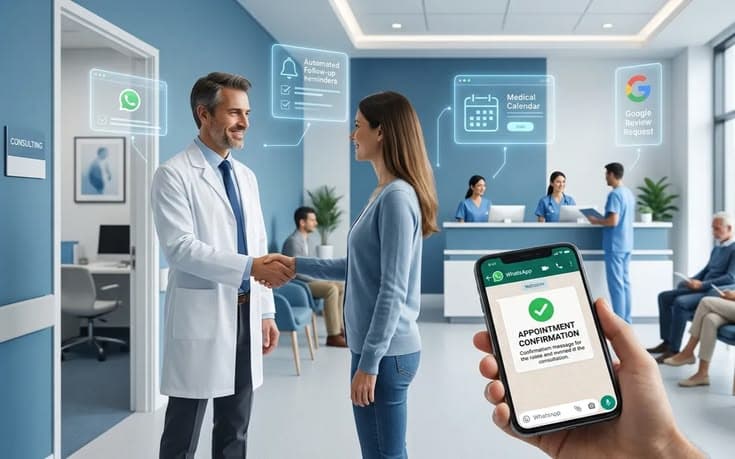
Scheduling and managing appointments is often one of the most time-consuming tasks in healthcare. CRM systems simplify this process by offering automated scheduling features. Patients can book, reschedule, or cancel appointments through online portals, while staff can easily view availability and manage schedules. Automated reminders via email, SMS, or app notifications help reduce no-shows and ensure patients arrive on time, improving operational efficiency and revenue stability.
3. Enhanced Patient Communication
Effective communication is essential for patient engagement and satisfaction. Healthcare CRMs enable personalized communication at scale. Providers can send targeted messages based on patient profiles—such as reminders for upcoming appointments, follow-up instructions, medication alerts, or wellness tips. By leveraging CRM data, communication becomes more relevant and timely, fostering stronger patient-provider relationships.
4. Streamlined Billing and Payment Management
CRM systems can integrate with billing and payment platforms, simplifying the financial side of patient management. Automated invoicing, payment reminders, and insurance claim tracking reduce administrative errors and accelerate payment cycles. Patients benefit from a transparent and convenient billing process, while staff save time previously spent on manual financial management.
5. Tracking Patient Progress and Outcomes
CRMs allow providers to monitor patient progress over time. Treatment plans, test results, and follow-up notes can be logged and analyzed within the system. This longitudinal view of patient data helps clinicians make informed decisions, identify trends, and adjust care plans as needed. It also enables proactive care management, especially for patients with chronic conditions, ensuring that interventions occur before complications arise.
6. Data-Driven Insights and Reporting
Modern healthcare CRMs include analytics and reporting features that transform patient data into actionable insights. Providers can identify patterns in appointment attendance, treatment efficacy, or patient satisfaction. These insights inform strategic decisions, such as resource allocation, staffing needs, and service improvements. By leveraging data effectively, healthcare organizations can enhance operational efficiency while improving patient outcomes.
7. Ensuring Compliance and Data Security
Managing sensitive patient data requires strict adherence to privacy regulations such as HIPAA, GDPR, and other local standards. Healthcare CRMs are designed with built-in security features, including encryption, role-based access control, and audit trails. This ensures that patient information is handled securely, maintaining compliance and building trust with patients.
Benefits of Using a CRM for Patient Management
Implementing a CRM in healthcare offers numerous benefits:
- Improved Efficiency: Automation reduces administrative workload, allowing staff to focus on patient care.
- Better Patient Experience: Centralized records and personalized communication enhance patient satisfaction.
- Reduced Errors: Accurate record-keeping and integrated systems minimize mistakes in scheduling, billing, and treatment tracking.
- Enhanced Collaboration: Providers, nurses, and administrative staff can share information seamlessly, ensuring coordinated care.
- Proactive Care Management: Insights from CRM data enable early intervention and preventive care, particularly for patients with chronic conditions.
Real-World Applications
Healthcare CRMs are not just for large hospitals; they are equally effective for clinics, specialty practices, and telemedicine providers. For example:
- A dental clinic can use CRM to track patient appointments, send preventive care reminders, and manage treatment history.
- A physiotherapy center can monitor patient progress, adjust therapy schedules, and communicate recovery tips.
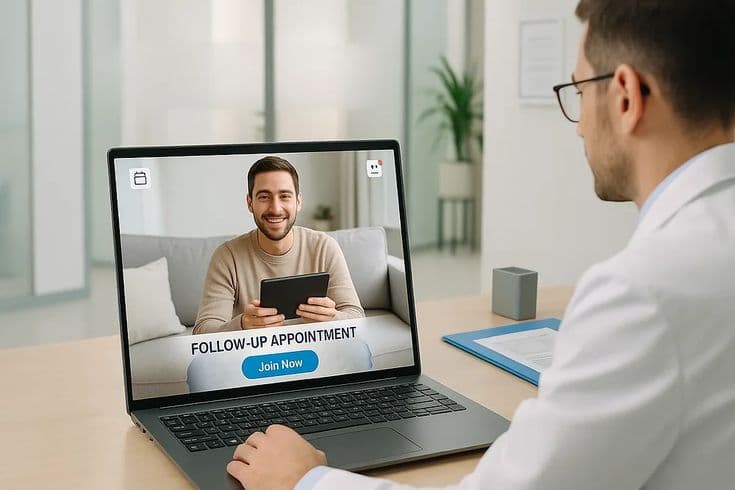
- Telehealth providers can automate follow-up consultations, share lab results securely, and offer personalized health education via the CRM platform.
Conclusion
CRM systems have become indispensable tools for modern healthcare organizations seeking to simplify patient management. By centralizing patient records, automating scheduling, enhancing communication, and providing actionable insights, CRMs streamline workflows and improve both operational efficiency and patient experience. Beyond administration, they enable a more proactive and patient-centered approach to care, helping providers build stronger relationships, reduce errors, and deliver better health outcomes.
In an increasingly digital and patient-focused healthcare environment, leveraging a CRM for patient management is not just an operational choice—it is a strategic imperative for delivering high-quality, efficient, and personalized care.
The Doctorna editorial desk writes about healthcare operations, patient experience and the systems clinics use to connect them.