

Managing daily clinic operations involves much more than treating patients. Healthcare teams need to coordinate appointments, maintain patient records, manage billing, communicate with patients, organize staff schedules, and handle administrative tasks. When these activities are managed manually or through disconnected systems, they can consume valuable time and increase the possibility of errors.
Healthcare software can simplify these processes by bringing important clinical and administrative functions into a more organized digital environment. From appointment management to patient communication and reporting, the right software can help clinics improve efficiency while creating a smoother experience for staff and patients.
Centralized Patient Information
One of the key advantages of healthcare software is centralized patient information. Instead of searching through paper files or multiple disconnected systems, authorized staff can access relevant patient information through a digital platform.
Patient details, appointment history, treatment information, documents, and other records can be organized in one place. This can reduce administrative effort and make it easier for healthcare teams to access the information they need.
Proper access controls and security measures are essential to protect sensitive healthcare information.
Easier Appointment Management
Appointment scheduling is a major part of daily clinic operations. Managing appointments manually can result in scheduling conflicts, missed appointments, and unnecessary communication.
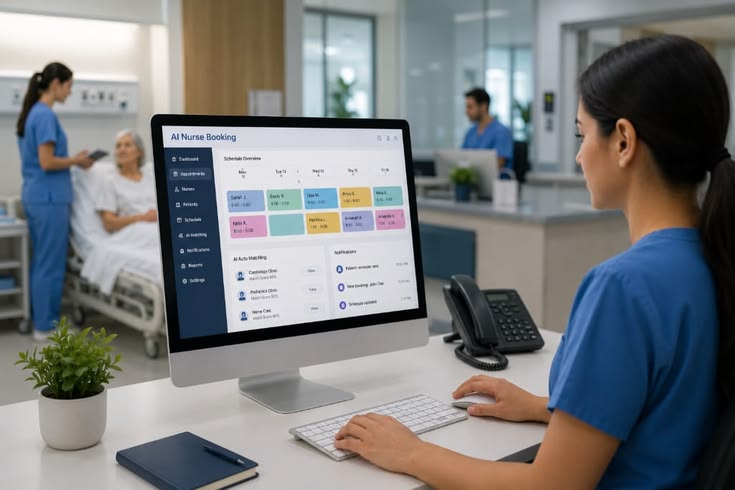
Healthcare software can provide digital calendars that allow staff to view appointments, manage availability, reschedule visits, and organize schedules more efficiently.
Some platforms can also support online booking, allowing patients to request appointments without calling the clinic.
Automated Appointment Reminders
Missed appointments can affect clinic productivity. Automated reminders can help patients remember upcoming visits through available communication channels such as SMS, email, or messaging platforms.
Reminder systems can reduce the amount of manual follow-up required from reception teams.
They can also provide patients with useful appointment information, such as dates, times, preparation instructions, or cancellation options.
Digital Patient Registration
Traditional registration processes may require patients to complete paper forms and staff to manually enter information into systems.
Healthcare software can support digital registration and electronic forms. Patients may be able to provide required information before arriving at the clinic, depending on the system.
This can reduce paperwork and help reception staff process patient information more efficiently.
Streamlined Billing and Payments
Billing is another important administrative function. Healthcare software can help clinics organize invoices, payment records, billing information, and outstanding balances.
Automated calculations and digital records can reduce repetitive administrative work and help staff maintain more organized financial information.
When integrated appropriately, billing systems can also support smoother coordination between clinical and administrative workflows.
Improved Patient Communication
Effective communication is essential for a positive patient experience. Healthcare software can help clinics organize communication with patients through automated notifications, appointment reminders, follow-up messages, and other approved communication channels.
Centralized communication tools can make it easier for staff to manage conversations and maintain appropriate records.
Automation can also help ensure that routine messages are sent consistently without requiring staff to manually contact every patient.
Better Task Management
Daily clinic operations involve many tasks, from confirming appointments to following up with patients and preparing documents.
Healthcare software can help teams organize tasks, assign responsibilities, and monitor progress.
Task management features can reduce the risk of important activities being forgotten and provide staff with a clearer view of pending work.
Faster Access to Reports
Clinic managers often need information about appointments, patient activity, revenue, staff performance, and operational trends.
Digital reporting tools can collect relevant information and present it in organized reports or dashboards.
These insights can help clinic administrators identify patterns, monitor performance, and make more informed operational decisions.
Reduced Administrative Work
Many routine clinic activities involve repetitive data entry and communication. Automation can reduce the amount of time staff spend on these tasks.
For example, software may automate appointment confirmations, reminders, follow-up notifications, billing processes, or internal task assignments.
Reducing repetitive work allows staff to spend more time on activities that require direct human attention.
Improved Coordination Between Teams
Clinics often have multiple teams working together, including reception staff, nurses, physicians, administrators, billing teams, and management.
A connected software environment can improve coordination by allowing authorized users to access relevant information and monitor workflows.
This can reduce communication gaps and make it easier for different departments to work together.
Supporting Telehealth Services
Healthcare software can also support remote healthcare services. Depending on the platform, clinics may be able to manage virtual appointments, digital communication, patient records, and follow-up activities through connected workflows.
Telehealth functionality can help clinics provide additional service options while maintaining organized patient management.
Enhanced Patient Follow-Up
Patient care does not always end when an appointment is completed. Follow-up communication may be required for treatment monitoring, medication-related instructions, future appointments, or additional services.
Healthcare software can help teams schedule follow-up activities and send appropriate reminders.
Automated follow-up workflows can reduce the likelihood of important communication being missed.
Data Security and Access Control
Healthcare information requires strong protection. Modern healthcare software should include appropriate security measures such as user authentication, role-based access, encryption, secure data storage, and activity monitoring where applicable.
Access should be limited according to staff responsibilities so that users can view only the information necessary for their role.
Clinics should also ensure that their chosen technology follows applicable healthcare privacy and data protection requirements.
Integration With Other Systems
Many clinics use several technologies for different functions. Integration can help connect systems such as electronic health records, billing platforms, appointment systems, communication tools, payment services, and reporting applications.
Connected workflows can reduce duplicate data entry and improve information consistency.
The exact integration options depend on the healthcare software platform and the systems used by the clinic.
Scalability for Growing Clinics
Healthcare software can also support clinics as they grow. A small practice may initially require basic scheduling and patient management features, while a larger organization may need advanced reporting, multiple locations, staff management, communication automation, and integrations.
Choosing scalable technology can help clinics expand their digital capabilities without constantly replacing their core systems.
Better Overall Patient Experience
Operational efficiency can directly influence the patient experience. Shorter administrative processes, timely reminders, easier appointment scheduling, organized communication, and faster access to information can make interactions more convenient.
When administrative workflows run smoothly, healthcare staff can focus more attention on patient-facing responsibilities.
How Healthcare Software Simplifies Daily Clinic Operations is closely connected to the growing need for efficient and organized healthcare management. Digital tools can centralize patient information, simplify scheduling, automate reminders, streamline billing, improve communication, support follow-ups, and provide useful operational insights.
The most effective healthcare software is not simply about replacing paper processes with digital ones. It should connect workflows, reduce unnecessary administrative effort, protect sensitive information, and help healthcare teams deliver a smoother experience for both staff and patients.