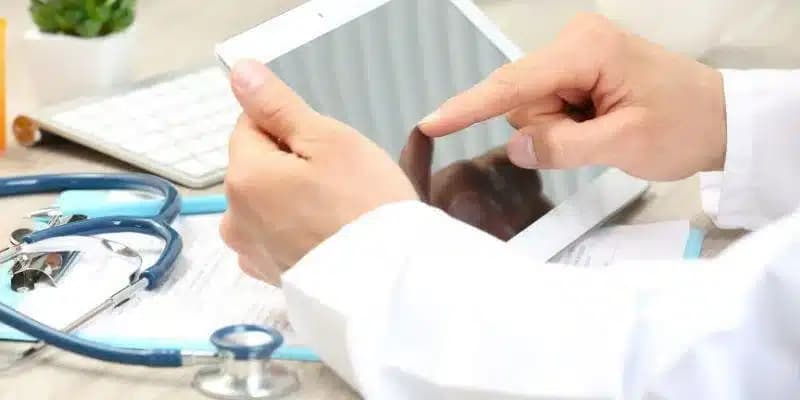
Utilizing CRM for Delivering Personalized Health Education in Healthcare
In today’s healthcare landscape, patient engagement and education are more critical than ever. Patients are no longer passive recipients of


In today’s healthcare landscape, patient engagement and education are more critical than ever. Patients are no longer passive recipients of care; they are active participants who expect timely, relevant, and personalized health information. Customer Relationship Management (CRM) systems in healthcare are emerging as powerful tools to meet these expectations. By leveraging CRM technology, healthcare providers can deliver personalized health education, improve patient outcomes, and foster stronger patient-provider relationships.
This blog explores how healthcare organizations can utilize CRM to create targeted health education programs, the benefits of personalization, and why it is vital for modern healthcare delivery.
1. Understanding CRM in Healthcare
CRM systems are software solutions designed to manage interactions between an organization and its clients or patients. In healthcare, CRM helps manage patient relationships by consolidating patient data, streamlining communication, and facilitating personalized care initiatives. A healthcare CRM typically integrates:
- Electronic health records (EHRs)
- Appointment schedules
- Communication history (emails, calls, SMS, app notifications)
- Patient preferences and demographics
- Feedback and survey data
By combining these data points, healthcare CRM platforms create a 360-degree view of each patient, enabling healthcare providers to deliver information that is relevant, timely, and personalized.
2. The Importance of Personalized Health Education
Health education is essential for promoting preventive care, managing chronic conditions, and improving overall patient outcomes. Generic educational content often fails to address the specific needs of patients. Personalized health education, on the other hand, delivers targeted messages based on an individual’s health history, lifestyle, and preferences. For example:
- A patient with diabetes may receive information about managing blood sugar levels, diet plans, and exercise routines.
- Expectant mothers might receive weekly tips about prenatal care, nutrition, and baby development.
- Patients recovering from surgery can get post-operative care instructions and medication reminders.
CRM systems make this level of personalization possible by automating the process of segmenting patients and delivering the right content at the right time.
3. How CRM Enables Personalized Health Education
A. Data Collection and Analysis
The first step in delivering personalized health education is collecting relevant patient data. CRM systems can consolidate data from multiple sources, including:
- EHRs and lab results
- Patient portals and mobile health apps
- Wearable devices and home monitoring systems
- Survey responses and feedback forms
Using advanced analytics, CRM platforms identify patterns and insights, such as health risks, behavioral trends, or educational gaps, allowing healthcare providers to tailor educational content for each patient.
B. Segmentation and Targeting
CRM systems allow healthcare providers to segment patients into specific groups based on their health conditions, demographics, lifestyle, or engagement level. This segmentation ensures that each patient receives content that is directly relevant to their health needs, increasing engagement and comprehension.
C. Automated and Multi-Channel Communication
With CRM, healthcare organizations can deliver personalized educational materials across multiple channels—emails, SMS, mobile apps, and patient portals. Automated workflows ensure that patients receive timely information, such as reminders for preventive screenings, updates on treatment plans, or educational resources related to their condition.
4. Benefits of Using CRM for Personalized Health Education
A. Improved Patient Engagement
Patients are more likely to engage with content that is relevant and personalized. CRM-driven health education keeps patients informed, encourages active participation in their care, and strengthens the overall patient-provider relationship.
B. Better Health Outcomes
Personalized health education empowers patients to make informed decisions about their health. Studies show that patients who understand their conditions and treatment plans are more likely to adhere to medications, attend follow-up appointments, and adopt healthier behaviors.
C. Enhanced Preventive Care
By delivering targeted educational content, healthcare providers can promote preventive measures. For example, reminders for vaccinations, screenings, or lifestyle modifications help reduce the risk of complications and hospital readmissions.
D. Streamlined Workflow for Healthcare Providers
CRM systems automate the delivery of educational content, freeing up healthcare professionals to focus on direct patient care. This efficiency reduces administrative burden and ensures consistent, high-quality communication across the organization.
5. Examples of CRM-Driven Personalized Health Education
- Chronic Disease Management: A CRM can send weekly educational articles, lifestyle tips, and medication reminders to patients with conditions like hypertension, diabetes, or asthma.
- Post-Operative Care: After surgery, patients can receive step-by-step instructions, exercise routines, and signs of complications to watch for, tailored to their specific procedure.
- Maternal and Child Health: Pregnant women can receive personalized notifications about prenatal care, vaccination schedules, and nutrition guidelines, enhancing maternal and child outcomes.
- Wellness Programs: Fitness and nutrition recommendations can be customized based on patient activity data from wearables or health app integrations.
6. The Future of CRM in Health Education
The future of CRM in healthcare is closely tied to AI and predictive analytics. Advanced CRMs can anticipate patient needs, deliver hyper-personalized education, and even suggest interventions before patients experience complications. Integrating telehealth, mobile apps, and wearable data will further enhance the reach and effectiveness of personalized health education.

Conclusion
In modern healthcare, personalized patient education is not just a value-added service—it is a necessity. By leveraging CRM systems, healthcare organizations can deliver educational content tailored to each patient’s unique needs, improving engagement, adherence, and health outcomes. From chronic disease management to preventive care and post-operative guidance, CRM-driven health education empowers patients to take control of their health while streamlining workflows for providers.
As healthcare continues to evolve, integrating CRM for personalized health education will remain a vital strategy for delivering patient-centered care and fostering long-term relationships built on trust, knowledge, and proactive health management.
The Doctorna editorial desk writes about healthcare operations, patient experience and the systems clinics use to connect them.