
Home healthcare software is transforming how healthcare providers manage services delivered outside traditional medical facilities. By combining patient management, scheduling, communication, documentation, and care coordination into digital platforms, home healthcare software can help organizations provide more organized and efficient care. Understanding the Benefits of Home Healthcare Software can help healthcare providers identify opportunities to improve patient experiences and streamline everyday operations.
Centralized Patient Information
One of the key benefits of home healthcare software is centralized access to patient information. Healthcare teams can manage relevant records, care plans, visit details, and other important information through a digital platform.
Having information organized in one place can reduce dependence on paper-based processes and make it easier for authorized staff to access updated information when required.
Better Care Coordination
Home healthcare often involves multiple professionals working together. Nurses, caregivers, physicians, coordinators, and administrative teams may need to share information and coordinate services.
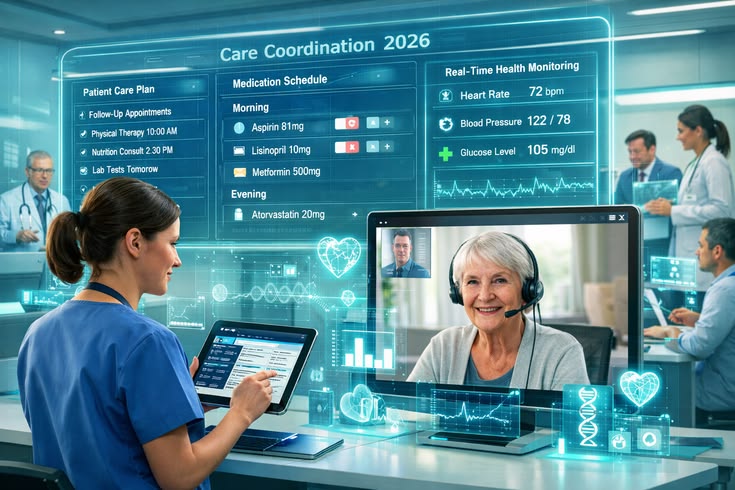
Home healthcare software can support communication and care coordination by allowing authorized users to access relevant updates, schedules, care instructions, and patient information through a connected system.
Efficient Scheduling
Managing home visits manually can become complicated when organizations handle multiple patients, caregivers, locations, and appointment times. Software can simplify scheduling by providing a centralized view of planned visits and staff availability.
Automated scheduling features can help reduce conflicts, organize appointments, and make it easier for coordinators to manage changing schedules.
Improved Communication
Effective communication is essential for home healthcare. Software platforms can provide secure communication channels between patients, caregivers, healthcare professionals, and administrative teams.
Notifications, messages, reminders, and updates can help ensure that relevant information reaches the appropriate people at the right time.
Digital Care Documentation
Home healthcare professionals often need to document visits, observations, treatment activities, and patient progress. Digital documentation can make this process more organized than relying entirely on paper records.
Care teams can update information electronically, helping organizations maintain more consistent documentation and making records easier to retrieve when authorized access is required.
Supports Remote Patient Monitoring
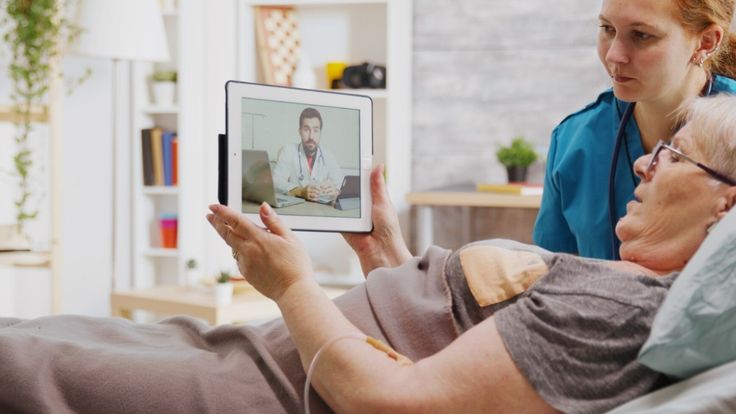
Some home healthcare software can integrate with remote monitoring technologies and connected medical devices. Depending on the healthcare service, information collected from compatible devices may be shared with healthcare teams for review.
This can support ongoing monitoring and provide healthcare professionals with additional information when managing patients remotely.
Enhances Patient Engagement
Home healthcare software can give patients and their families easier access to relevant healthcare information and communication channels. Depending on the platform, patients may be able to view appointments, receive reminders, communicate with care teams, or access selected health information.
These features can encourage patients and caregivers to participate more actively in the care process.
Reduces Administrative Work
Administrative tasks can consume significant time in home healthcare operations. Digital software can automate or simplify repetitive activities such as appointment management, notifications, documentation, billing workflows, and reporting.
Reducing manual administrative work can allow staff to spend more time focusing on patient-related responsibilities.
Improves Staff Productivity
Healthcare professionals need efficient tools to manage their daily responsibilities. Home healthcare software can bring schedules, patient information, documentation, communication, and task management into a connected workflow.
Having the necessary information readily available can help staff organize their work and reduce time spent switching between disconnected systems.
Supports Accurate Reporting
Healthcare organizations need reliable information to evaluate service delivery and operational performance. Home healthcare software can generate reports based on data recorded within the platform.
Reports can help management review areas such as visits, staff activity, patient services, scheduling, and other operational metrics. These insights can support better planning and decision-making.
Enhances Data Security
Healthcare information requires appropriate protection. Modern home healthcare software can include security features such as user authentication, role-based access, encryption, audit trails, and controlled access to sensitive information.
Healthcare organizations should select solutions that support applicable privacy and security requirements and establish appropriate policies for handling patient information.
Supports Scalability
As a home healthcare organization grows, managing a larger number of patients and caregivers can become increasingly complex. Digital software can provide a scalable foundation for managing additional users, services, schedules, and records.
A flexible platform can help organizations adapt their workflows as operational requirements change.
Improves Patient Experience
The overall patient experience can benefit from better coordination, timely communication, organized scheduling, and accessible information. When home healthcare services are managed efficiently, patients and families may experience fewer communication gaps and scheduling difficulties.
A well-designed software platform can therefore support both operational efficiency and patient-centered care.
Enables Better Decision-Making
Home healthcare software can bring together information from different areas of care delivery. Healthcare managers can use this information to identify trends, monitor performance, and evaluate operational processes.
Data-driven insights can help organizations make informed decisions about staffing, scheduling, resource allocation, and service improvements.