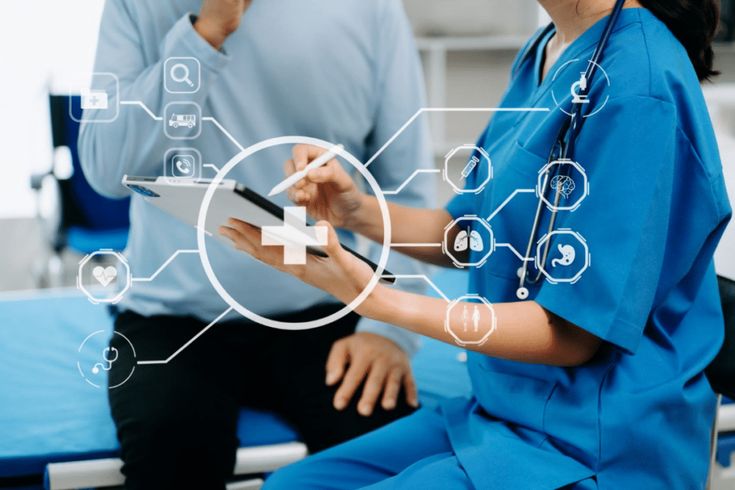

Technology has become an essential part of modern healthcare, changing how medical organizations manage information, communicate with patients, deliver services, and support clinical workflows. From electronic health records and telehealth to artificial intelligence and remote monitoring, digital tools are helping healthcare providers create more connected and efficient systems. Understanding The Role of Technology in Modern Healthcare highlights how innovation can support better access, coordination, and patient experiences.
Improving Access to Healthcare
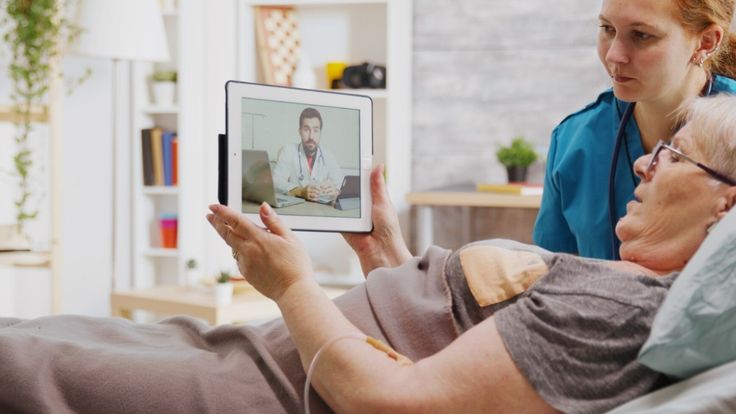
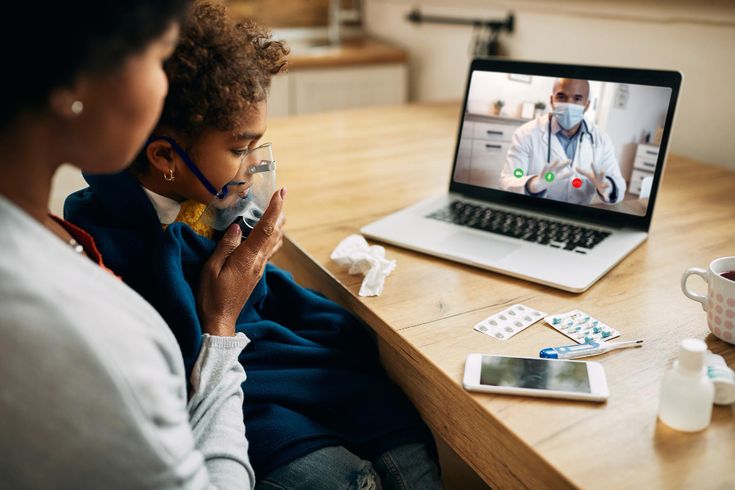
Technology has created new ways for patients to access healthcare services. Telehealth platforms allow appropriate consultations to take place remotely, reducing the need for patients to travel for every interaction.
Digital appointment systems, patient portals, and mobile healthcare applications can also make it easier for patients to access information and communicate with healthcare providers. These technologies can be especially useful for patients who face geographic or scheduling challenges.
Supporting Electronic Health Records
Electronic health records have transformed the way healthcare information is stored and managed. Instead of relying entirely on paper records, healthcare organizations can maintain digital patient information that authorized professionals can access when needed.
Well-integrated digital records can support better coordination between departments and help healthcare professionals access relevant information more efficiently.
Enabling Telehealth Services
Telehealth is one of the most visible examples of technology’s impact on healthcare. Video consultations, secure messaging, remote monitoring, and digital follow-up services allow healthcare providers to connect with patients outside traditional healthcare facilities.
Telehealth can complement in-person care by providing convenient options for appropriate consultations and follow-ups.
Supporting Remote Patient Monitoring
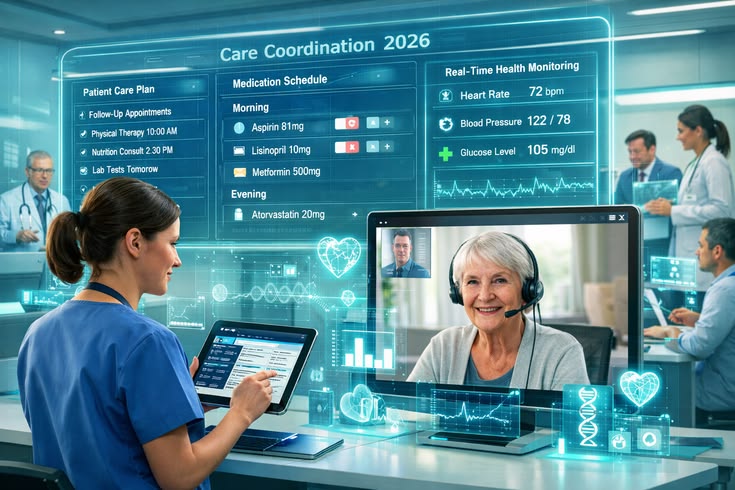
Connected healthcare devices can collect and transmit relevant patient information to healthcare teams. Remote patient monitoring may be used in suitable situations to support ongoing observation and follow-up.
Depending on the technology and clinical setting, information from connected devices can help healthcare professionals monitor trends and determine whether further evaluation may be appropriate.
Improving Healthcare Communication
Communication between patients, healthcare professionals, and administrative teams is essential for effective healthcare delivery. Digital communication platforms can support appointment reminders, secure messaging, notifications, and patient updates.
Automated communication can also reduce repetitive administrative tasks while helping patients receive important information in a timely manner.
Increasing Operational Efficiency
Healthcare organizations manage many complex processes, including scheduling, patient registration, documentation, billing, communication, and reporting. Technology can automate and streamline many of these activities.
Integrated healthcare platforms can reduce manual data entry and connect different departments, helping organizations manage workflows more efficiently.
Supporting Artificial Intelligence
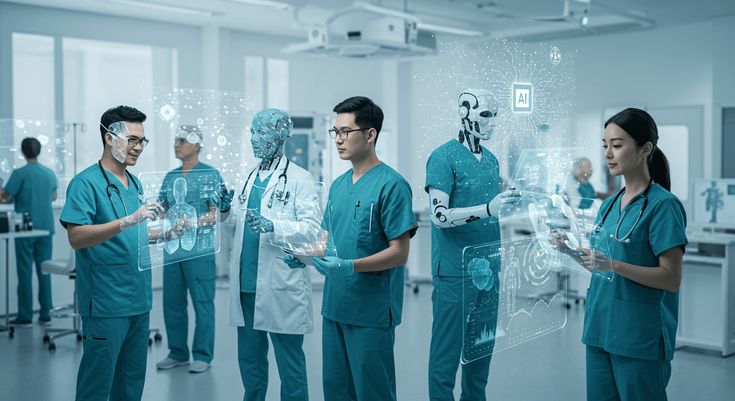
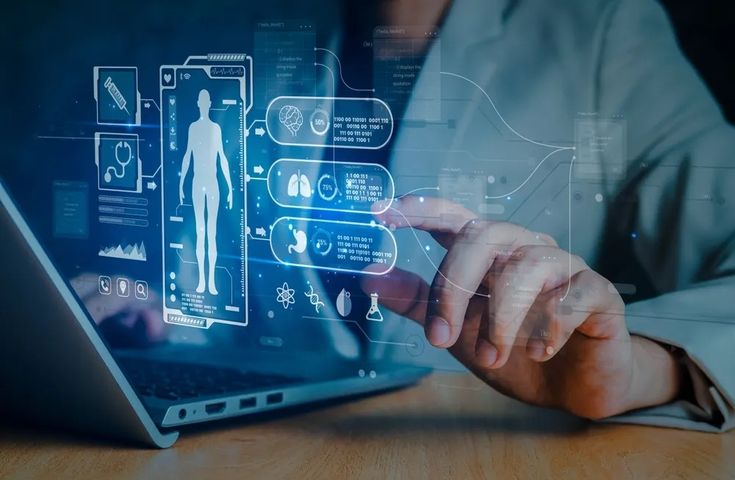
Artificial intelligence is becoming increasingly relevant across healthcare. AI technologies can assist with tasks such as data analysis, workflow automation, medical imaging support, patient communication, and administrative processes.
AI should be implemented responsibly, with appropriate professional oversight and consideration of privacy, accuracy, security, and clinical requirements. It is best viewed as a tool that supports healthcare professionals rather than automatically replacing human expertise.
Enhancing Patient Engagement
Digital healthcare tools can give patients greater access to information and communication. Mobile applications and patient portals may allow users to view appointments, receive reminders, access selected health information, and communicate with healthcare teams.
These capabilities can encourage patients to become more actively involved in managing their healthcare journey.
Strengthening Healthcare Data Management
Healthcare organizations generate significant amounts of information. Technology can help collect, organize, store, and analyze data from different sources.
Data management systems can provide healthcare teams and administrators with useful insights into patient services, operational performance, resource utilization, and other areas. Proper governance is essential to ensure that information is accurate, secure, and accessed appropriately.
Improving Healthcare Collaboration
Modern healthcare often involves multiple specialists and departments working together. Digital platforms can help authorized professionals share relevant information and coordinate care.
Integrated systems can reduce information silos and make it easier for healthcare teams to collaborate across departments and locations.
Supporting Better Decision-Making
Healthcare technology can provide data that supports informed decision-making. Analytics platforms can identify patterns and trends in operational and patient-related information.
When combined with professional expertise, these insights can help organizations plan resources, improve workflows, identify areas for improvement, and develop more effective healthcare strategies.
Improving Patient Safety
Technology can contribute to patient safety by supporting accurate documentation, medication management, clinical alerts, and information sharing. Digital systems can help reduce certain types of administrative and communication errors.
However, technology must be properly configured, maintained, and used by trained professionals. Human oversight remains essential for clinical decisions and patient care.
Protecting Healthcare Information
As healthcare becomes increasingly digital, cybersecurity and privacy have become critical priorities. Healthcare organizations need appropriate safeguards to protect sensitive patient information.
Security measures can include encryption, authentication, access controls, monitoring, backups, and regular security assessments. Organizations should also follow applicable healthcare privacy and data protection requirements.
Supporting Personalized Healthcare
Technology can help healthcare providers use relevant patient information to support more individualized care. Digital records, analytics, monitoring systems, and patient preferences can provide additional information for care planning.
Personalized healthcare should always be guided by appropriate clinical judgment and responsible use of patient data.
The Future of Healthcare Technology
The future of healthcare technology is likely to involve greater integration between AI, cloud computing, telehealth, wearable devices, automation, analytics, and connected healthcare platforms.
As these technologies develop, healthcare organizations will need to focus not only on innovation but also on usability, security, accessibility, interoperability, and ethical implementation. Technology will be most valuable when it addresses genuine healthcare needs and improves outcomes and experiences.