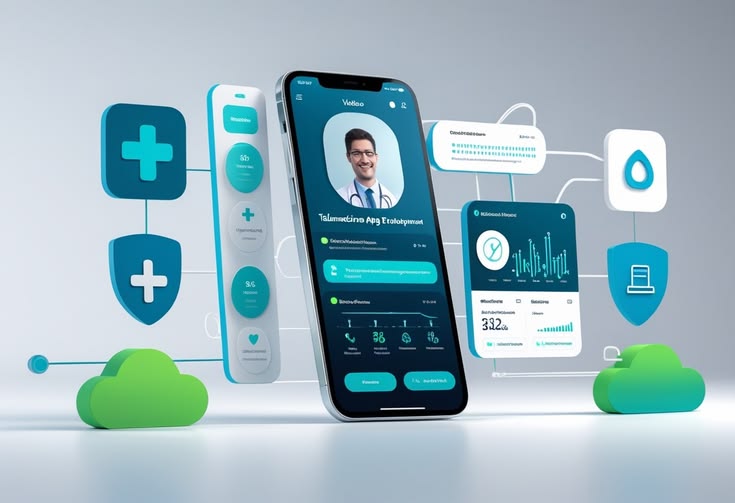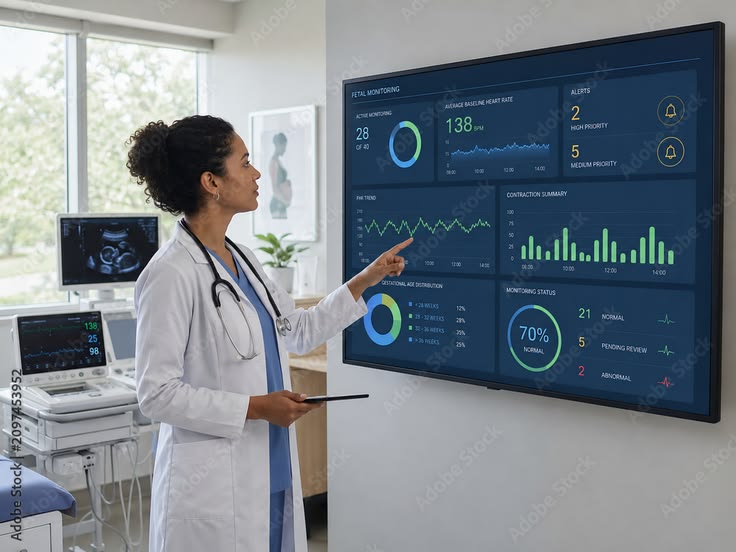


Modern healthcare requires efficient coordination between patients, healthcare professionals, administrative teams, and digital systems. As clinics manage increasing numbers of appointments, patient records, communications, billing activities, and follow-ups, manual processes can become difficult to manage. Understanding How Clinic Management Systems Improve Patient Care highlights the important role technology can play in creating more organized, efficient, and patient-focused healthcare services.
A Clinic Management System is a digital platform designed to manage various clinical and administrative activities from a centralized system. Depending on its features, it can support appointment scheduling, patient records, billing, communication, reporting, and workflow management.
Centralizes Patient Information
One of the most important ways a clinic management system can improve patient care is by organizing patient information in one digital platform. Authorized staff can access relevant information without searching through multiple paper files or disconnected systems.
Patient details, appointment history, treatment information, reports, and communication records can be organized for easier access. Having relevant information available can help healthcare professionals understand a patient’s history and provide more coordinated services.
Improves Appointment Management
Appointment scheduling is an important part of the patient journey. Manual scheduling can result in delays, duplicate bookings, missed updates, or communication gaps.
Clinic management systems can provide digital scheduling tools that allow staff to manage appointments more efficiently. Some systems can also support online booking, automated confirmations, appointment reminders, and cancellation management.
Better appointment organization can reduce administrative delays and create a smoother experience for both patients and healthcare teams.
Reduces Patient Waiting Time
Long waiting times can negatively affect patient satisfaction. Efficient scheduling and organized workflows can help clinics manage patient flow more effectively.
A clinic management system can provide staff with an overview of scheduled appointments and help coordinate different stages of a patient’s visit. When administrative information is readily available, staff may spend less time searching for records or completing repetitive manual tasks.
Improved workflow efficiency can contribute to a more organized patient experience.
Supports Better Communication
Clear communication is essential for effective healthcare delivery. Patients may need appointment reminders, follow-up information, instructions, or administrative updates.
Clinic management systems can support automated notifications through suitable communication channels. Depending on the platform, clinics may send appointment confirmations, reminders, follow-up messages, and other routine communications.
Automation can reduce repetitive work for staff while helping patients receive timely information.
Enhances Patient Follow-Up
Follow-up activities are an important part of ongoing patient care. Without proper tracking, routine follow-up tasks can sometimes be delayed or overlooked.
A clinic management system can help staff record previous interactions and schedule future activities. Automated reminders and task notifications can support more consistent follow-up.
This can be particularly useful for patients who require multiple appointments or ongoing communication with the healthcare team.
Improves Record Management
Paper-based records can be difficult to organize, search, update, and share. Digital record management provides a more structured way to store and retrieve patient information.
Authorized users can access relevant records based on their permissions. Digital documentation can also make it easier to update information and maintain a history of patient interactions.
Proper record management can support continuity and improve the efficiency of healthcare workflows.
Supports Better Care Coordination
Patients may interact with multiple members of a healthcare team. Effective coordination is important to ensure that relevant information is available to the appropriate professionals.
Clinic management systems can help departments and staff work from shared information. Appointment details, notes, reports, and administrative information can be managed within connected workflows.
Better coordination can reduce information gaps and help healthcare teams provide more consistent services.
Automates Administrative Tasks
Healthcare staff often spend significant time performing repetitive administrative activities. These can include appointment confirmations, data entry, billing tasks, reminders, report generation, and record updates.
Automation can reduce the amount of manual work required for routine processes. This allows staff to dedicate more time to patient-facing responsibilities and tasks that require human judgment.
Reducing administrative workload can also improve overall clinic efficiency.
Improves Billing and Payment Management
Financial administration is another area where clinic management systems can support better workflows. Digital systems can help manage invoices, payments, billing information, and transaction records.
When financial processes are organized, administrative staff can spend less time managing paperwork and correcting manual errors. Patients can also benefit from clearer billing processes and convenient payment options when supported by the system.
Supports Data and Reporting
Clinic management systems can collect information from different operational activities and present it through reports and dashboards.
Management teams can use these insights to understand appointment volumes, patient engagement, operational performance, and other relevant metrics. Data-driven reporting can help clinics identify workflow challenges and make informed improvements.
Better operational visibility can indirectly support patient care by helping clinics allocate resources more effectively.
Enhances Data Security
Patient information is sensitive and requires appropriate protection. Modern clinic management systems can include security features such as user authentication, role-based access, encryption, backups, and activity logs.
These features can help organizations control who can access specific information and monitor system activity. Clinics should also establish appropriate privacy policies, staff training, and cybersecurity practices to protect patient information.
Supports Patient Engagement
Digital tools can make it easier for patients to interact with healthcare providers. Depending on the system, patients may be able to book appointments, receive reminders, access selected information, complete forms, or communicate with the clinic digitally.
Providing convenient digital options can improve patient engagement and reduce unnecessary administrative interactions.
Enables Integration With Other Healthcare Technologies
Clinic management systems can often integrate with other digital healthcare technologies, such as Electronic Medical Records, healthcare CRM platforms, payment systems, laboratory systems, communication tools, and analytics platforms.
Integration can reduce duplicated data entry and create more connected workflows. A unified digital environment can help clinics manage patient interactions more efficiently.
Conclusion
Understanding How Clinic Management Systems Improve Patient Care shows how digital technology can support both clinical and administrative workflows. From centralized patient information and appointment management to automated communication, follow-up, reporting, and secure record management, these systems can improve efficiency across the patient journey.
A clinic management system should complement healthcare professionals rather than replace human interaction. With appropriate implementation, staff training, security measures, and well-designed workflows, digital clinic management technology can help healthcare organizations deliver more organized, responsive, and patient-focused care.