The Role of CRM in Digital Health Transformation

The Role of CRM in Digital Health Transformation

Discover how CRM drives digital health transformation by enhancing patient engagement, data management, and care efficiency

The healthcare industry is undergoing a rapid transformation, driven by advancements in digital technologies. Patients now expect seamless experiences, personalized communication, and easy access to their health information. To meet these expectations, healthcare providers are increasingly leveraging Customer Relationship Management (CRM) systems as a core component of digital health transformation.

A CRM system goes beyond traditional patient record-keeping. It integrates patient data, streamlines communication, enhances operational efficiency, and supports proactive care delivery. In this blog, we explore the critical role of CRM in driving digital health transformation and shaping the future of patient care.

Understanding Digital Health Transformation

Digital health transformation refers to the integration of digital technologies into all aspects of healthcare delivery. This includes:

  • Telemedicine and virtual consultations
  • Mobile health applications
  • Electronic health records (EHR)
  • AI and machine learning for diagnostics and analytics
  • Remote patient monitoring

The ultimate goal is to improve patient outcomes, enhance operational efficiency, and create a patient-centric healthcare ecosystem. CRM systems play a pivotal role in this transformation by bridging the gap between technology and patient engagement.

1. Centralized Patient Data Management

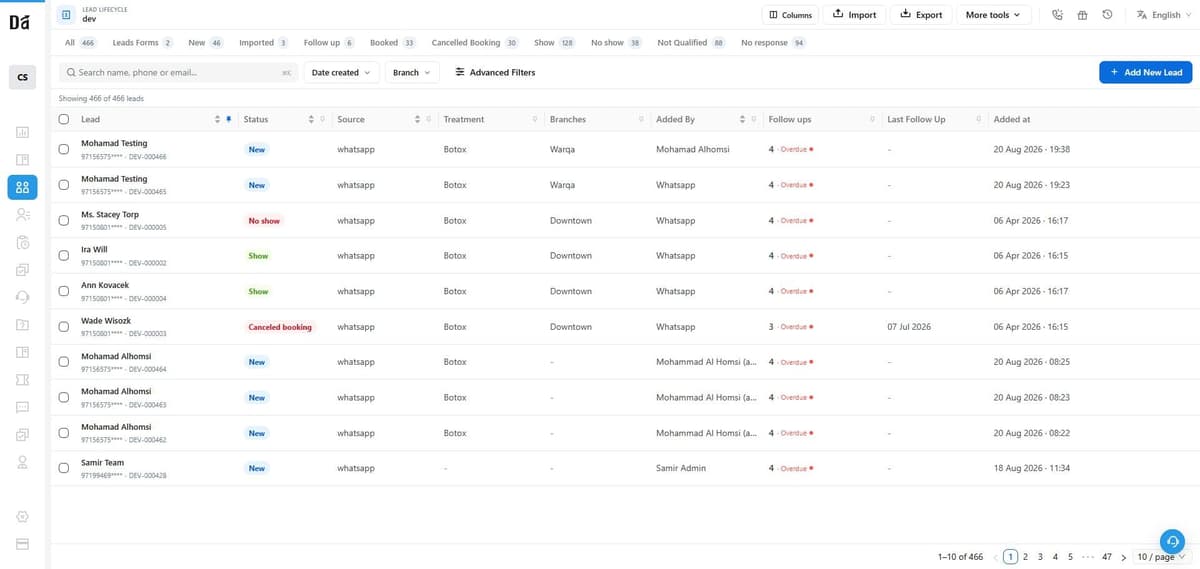
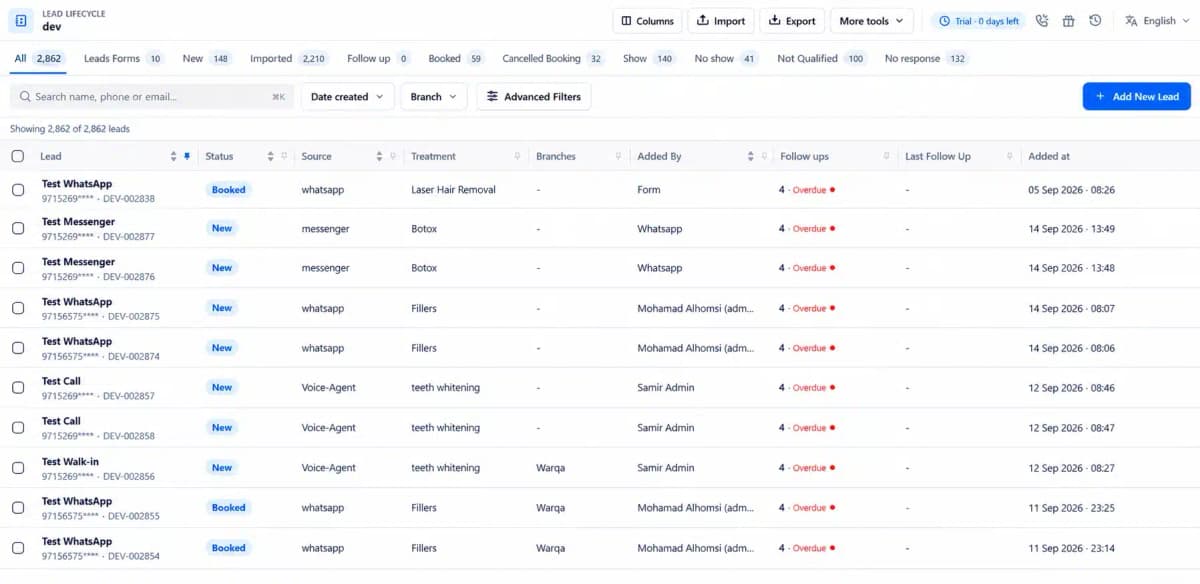
One of the primary roles of CRM in digital health is centralizing patient information. Modern CRMs consolidate data from multiple sources, including EHRs, telehealth platforms, patient portals, and wearable devices.

Centralized data enables healthcare providers to:

  • Access comprehensive patient profiles quickly
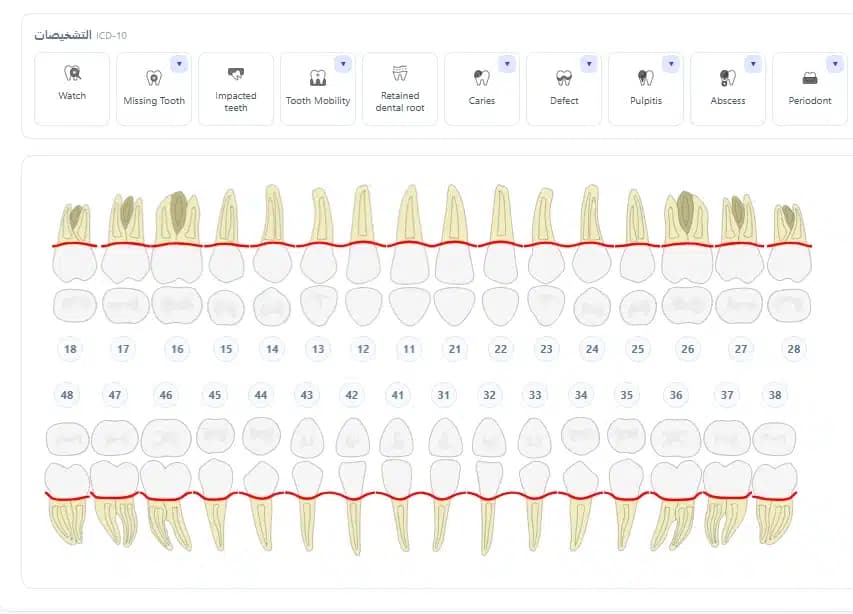
  • Track medical history, lab results, and medications
  • Monitor chronic conditions and treatment progress
  • Reduce duplication of tests and administrative errors

By maintaining a single source of truth, CRM systems improve the quality of care while supporting digital transformation initiatives.

2. Enhancing Patient Engagement

Digital health is as much about technology as it is about patient experience. CRM systems enhance engagement by enabling personalized, timely communication.

Key patient engagement features include:

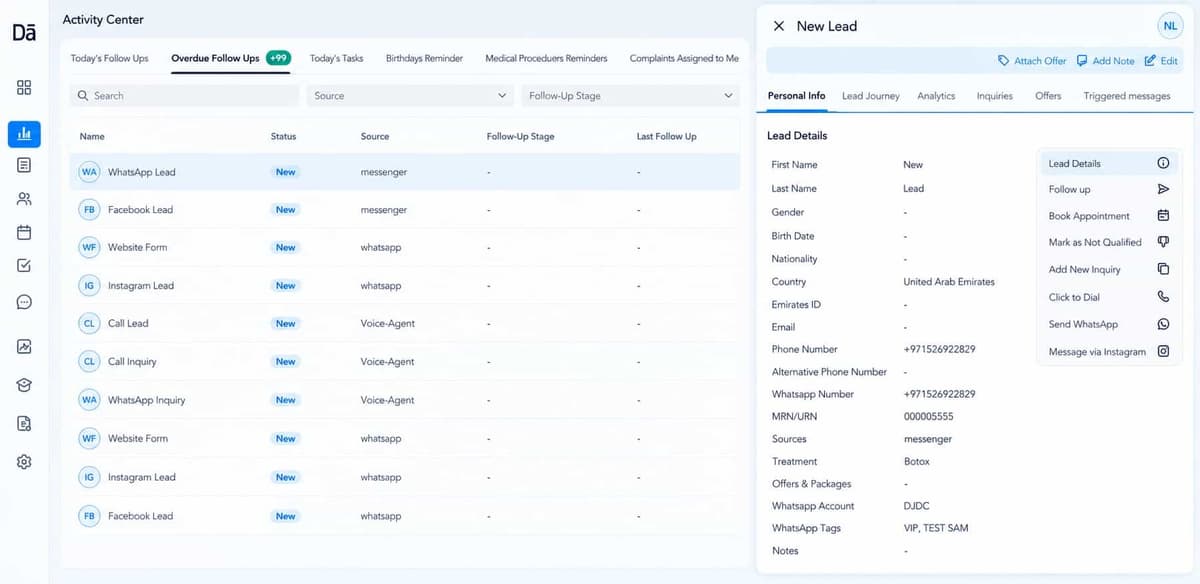
  • Automated appointment reminders via SMS, email, or app notifications
  • Personalized health tips and educational content
  • Follow-up notifications for post-treatment care or preventive screenings
  • Interactive patient portals for secure messaging and access to records

Engaged patients are more likely to adhere to treatment plans, participate in preventive care, and maintain long-term relationships with providers. CRM systems provide the tools to deliver this level of engagement efficiently.

3. Facilitating Telemedicine and Virtual Care

The rise of telemedicine has been one of the most significant drivers of digital health transformation. CRM systems integrate with telehealth platforms to streamline virtual consultations:

  • Scheduling appointments and sending reminders
  • Maintaining a record of telemedicine interactions
  • Collecting patient feedback after virtual visits
  • Coordinating follow-ups and referrals to specialists

By integrating CRM with telemedicine, healthcare providers ensure that virtual care is not fragmented and that patients receive consistent, personalized attention.

4. Data-Driven Decision Making

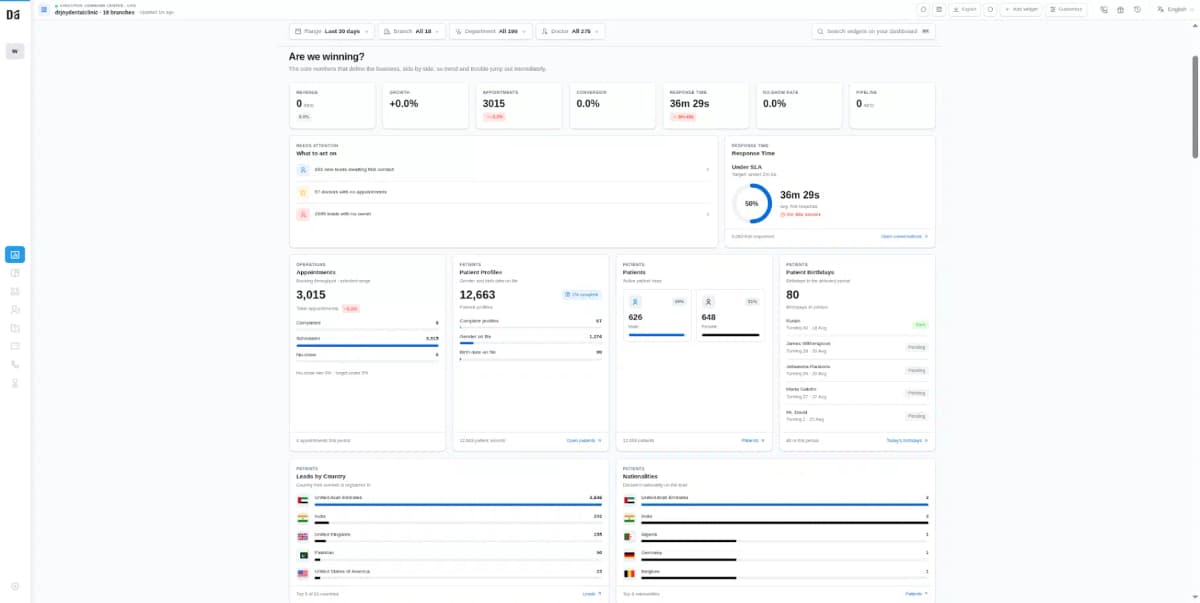
Modern CRMs offer advanced analytics and reporting capabilities, which are essential for data-driven decision-making in digital health. Providers can analyze:

  • Patient demographics and behavior patterns
  • Treatment outcomes and adherence rates
  • Operational metrics, such as appointment no-shows or wait times
  • Marketing and outreach effectiveness

These insights help organizations optimize care delivery, improve operational efficiency, and allocate resources effectively. Predictive analytics also allows providers to identify high-risk patients and intervene proactively, reducing hospitalizations and complications.

5. Streamlining Care Coordination

Digital health transformation emphasizes integrated care across multiple providers and departments. CRM systems facilitate this by:

  • Sharing patient information securely across specialists, primary care providers, and support staff
  • Coordinating multi-department care plans
  • Tracking referrals, lab results, and follow-ups
  • Reducing administrative redundancies and errors

Effective care coordination improves patient outcomes, enhances satisfaction, and ensures that healthcare delivery is truly patient-centered.

6. Supporting Remote Monitoring and IoT Integration

The adoption of wearable devices and remote monitoring tools is a cornerstone of digital health. CRM systems integrate with these devices to track patient health in real-time:

  • Monitoring blood pressure, glucose levels, heart rate, and activity levels
  • Sending alerts to patients and providers for abnormal readings
  • Updating patient records automatically with collected data

This real-time data empowers healthcare providers to make proactive interventions, reduce complications, and improve chronic disease management.

7. Improving Operational Efficiency

CRM systems streamline administrative workflows, freeing up healthcare professionals to focus on patient care. Automation features in CRMs handle:

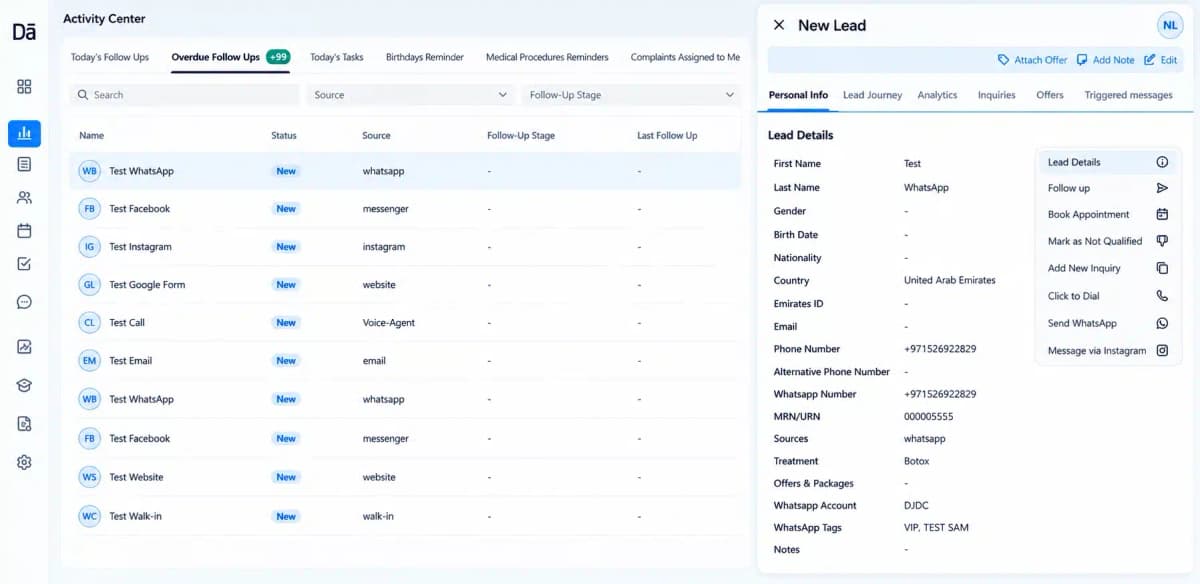
  • Appointment scheduling and reminders
  • Patient communication and follow-ups
  • Billing and insurance tracking
  • Reporting and compliance documentation

By reducing manual tasks, healthcare organizations can improve efficiency, reduce errors, and support the broader goals of digital health transformation.

Discover how CRM drives digital health transformation by enhancing patient engagement, data management, and care efficiency

Conclusion

The role of CRM in digital health transformation is multi-faceted. From centralizing patient data and enhancing engagement to supporting telemedicine, enabling predictive analytics, and streamlining care coordination, CRM systems are critical for modern healthcare delivery.

Healthcare providers that leverage CRM effectively can deliver personalized, patient-centric care, improve outcomes, and operate efficiently in a digitally-driven environment. In an era where patient expectations are rising and technology is rapidly evolving, CRM systems are not just a tool—they are a cornerstone of successful digital health transformation.

Embracing CRM in your healthcare strategy ensures that technology serves patients, empowers providers, and drives the next generation of healthcare excellence.

Read About Doctorna

Get a full product demo via a video call