Coordinating Multi-Department Healthcare Teams

Coordinating Multi-Department Healthcare Teams

Coordinating Multi-Department Healthcare Teams

Healthcare delivery is a complex, multidisciplinary effort that involves numerous departments working together to provide high-quality patient care. From physicians and nurses to lab technicians, pharmacists, administrative staff, and care coordinators, every team plays a critical role in the patient journey. However, coordinating these diverse teams can be challenging. Miscommunication, delays, or gaps in care can directly impact patient outcomes and operational efficiency.

Effective coordination of multi-department healthcare teams is essential to streamline workflows, enhance collaboration, and improve overall care delivery. By implementing structured processes, digital tools, and communication strategies, healthcare organizations can ensure that patients receive timely, accurate, and comprehensive care.

The Challenges of Multi-Department Coordination

Healthcare teams face several challenges that make coordination difficult:

  • Complex Care Processes: Patient care often involves multiple departments, each with its own protocols, documentation standards, and priorities.
  • Communication Gaps: Lack of standardized communication channels can lead to errors or misinterpretation of critical patient information.
  • Resource Management: Efficient allocation of staff, equipment, and facilities across departments requires real-time visibility and planning.
  • Data Fragmentation: Patient information is often scattered across electronic health records, lab systems, and administrative tools, making it difficult for teams to have a unified view.
  • Time Sensitivity: Many healthcare decisions are time-sensitive, especially in emergency care or surgery, requiring seamless coordination between departments.

Without a coordinated approach, these challenges can lead to delays, duplication of efforts, increased costs, and compromised patient safety.

The Role of Digital Tools in Team Coordination

Modern healthcare organizations increasingly rely on digital solutions to manage complex workflows and enhance collaboration. Tools such as Healthcare CRM systems, project management platforms, and secure communication apps play a vital role in coordinating multi-department teams.

A centralized digital platform enables:

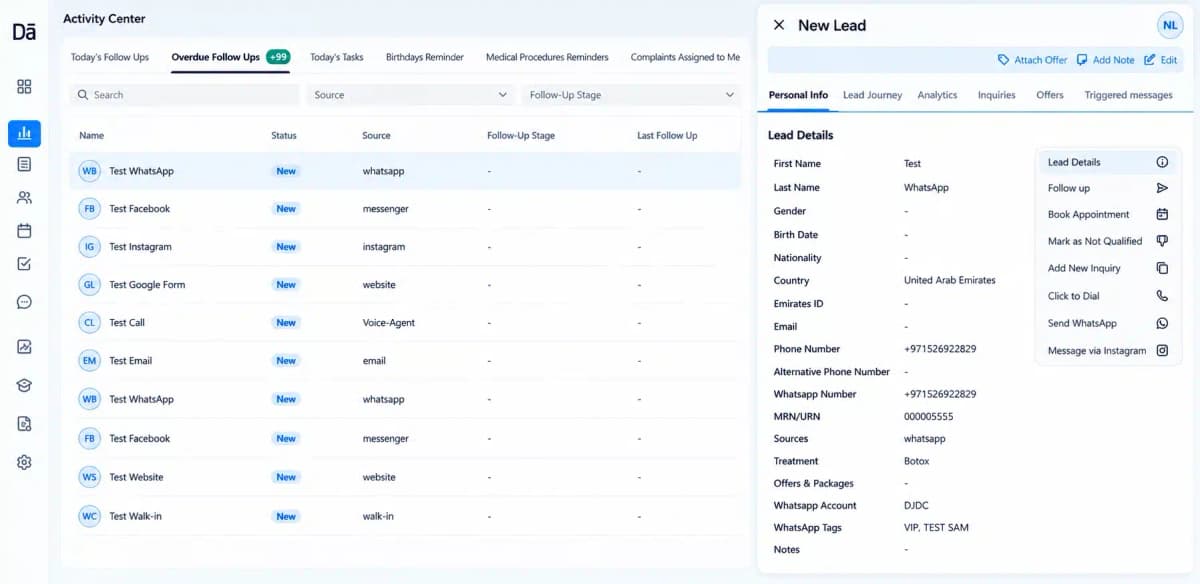
  • Real-Time Communication: Teams can share updates, alerts, and critical information instantly, reducing the risk of errors or delays.
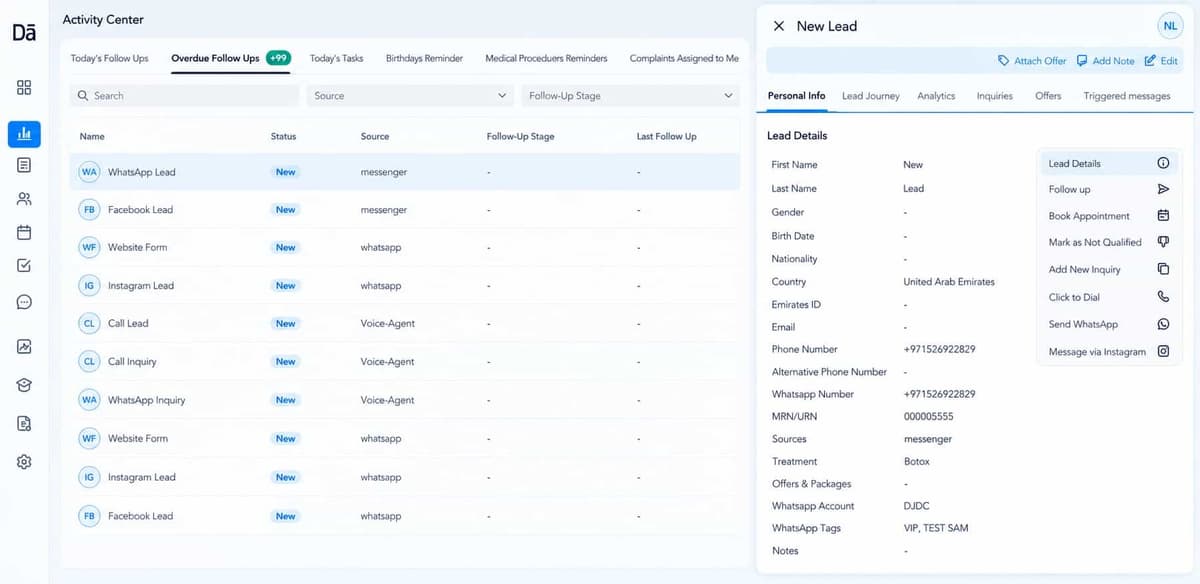
  • Task Assignment and Tracking: Tasks can be assigned to specific departments or personnel, with status updates visible to all stakeholders.
  • Unified Patient Data: Integrating electronic health records, lab results, and appointment schedules ensures all teams have access to the same patient information.
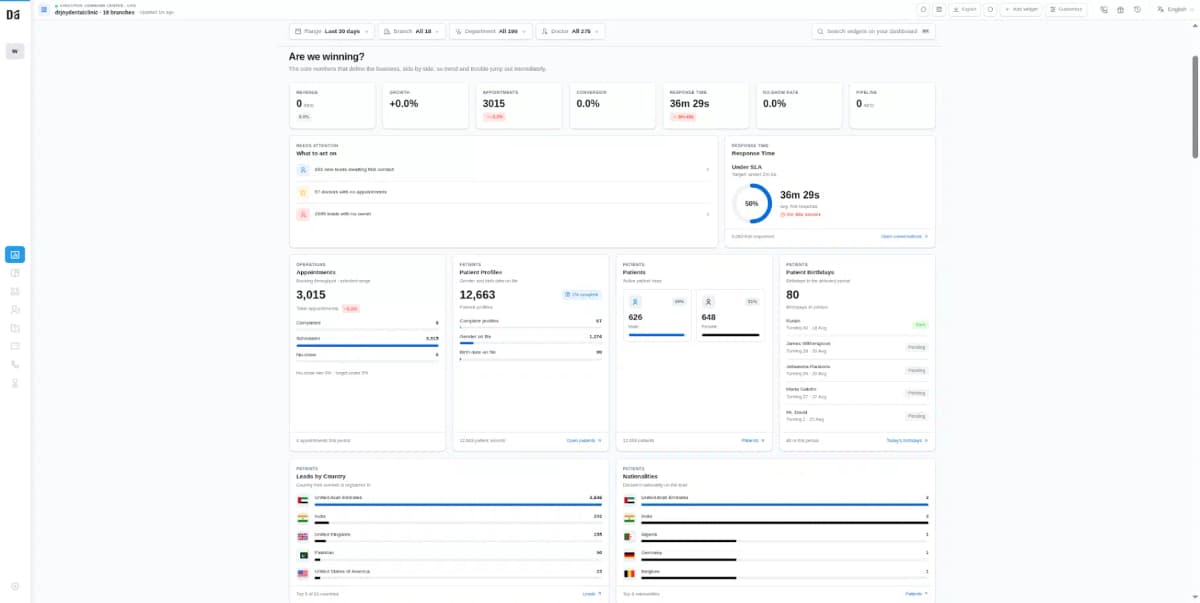
  • Analytics and Reporting: Dashboards provide insights into team performance, resource utilization, and patient outcomes, supporting continuous improvement.

By leveraging technology, healthcare organizations can overcome communication gaps and ensure that multi-department teams operate efficiently.

Strategies for Effective Team Coordination

Beyond technology, organizational strategies are essential to facilitate collaboration across departments.

1. Establish Clear Roles and Responsibilities

Every team member should understand their role and responsibilities within the care process. Clearly defined roles reduce confusion, prevent duplication, and ensure accountability. For example, care coordinators can act as the central point of contact between departments, ensuring information flows smoothly from diagnostics to treatment.

2. Standardize Communication Protocols

Consistent communication protocols help teams share critical information efficiently. Structured reporting formats, standardized handoff procedures, and regular interdepartmental meetings minimize misunderstandings. Secure messaging systems and notifications can further enhance timely communication.

3. Implement Collaborative Workflows

Collaborative workflows define the sequence of tasks across departments. For instance, in surgical care:

  1. Pre-op assessments are completed by the nursing team.
  2. Lab and diagnostic results are reviewed by physicians.
  3. Surgical instruments and equipment are prepared by the supply team.
  4. Post-op care is coordinated with recovery and rehabilitation teams.

A structured workflow ensures that each department completes its responsibilities while keeping others informed, reducing delays and improving patient outcomes.

4. Utilize Care Coordination Teams

Care coordination teams or case managers play a critical role in multi-department collaboration. They monitor patient progress, schedule interventions, and facilitate communication between clinicians, administrative staff, and support services. By acting as a central hub, they prevent fragmentation of care.

5. Focus on Training and Interdepartmental Awareness

Cross-training and interdepartmental workshops help staff understand the workflows and challenges of other departments. This fosters empathy, improves collaboration, and encourages proactive problem-solving. Staff who are aware of the broader patient journey can anticipate needs and communicate more effectively.

Benefits of Coordinated Multi-Department Teams

Effective coordination of healthcare teams offers several advantages:

  • Improved Patient Outcomes: Timely interventions, accurate information, and seamless care transitions reduce errors and enhance recovery.
  • Operational Efficiency: Streamlined workflows and centralized communication minimize delays and resource wastage.
  • Enhanced Patient Satisfaction: Patients experience smoother, more organized care, increasing trust and loyalty.
  • Better Staff Engagement: Clear roles, efficient communication, and collaborative practices reduce stress and improve job satisfaction.
  • Data-Driven Decision-Making: Unified systems provide insights for strategic planning, resource allocation, and performance improvement.

Coordination transforms multi-department healthcare operations from siloed efforts into a cohesive system focused on patient-centered care.

The Role of Healthcare CRM in Coordination

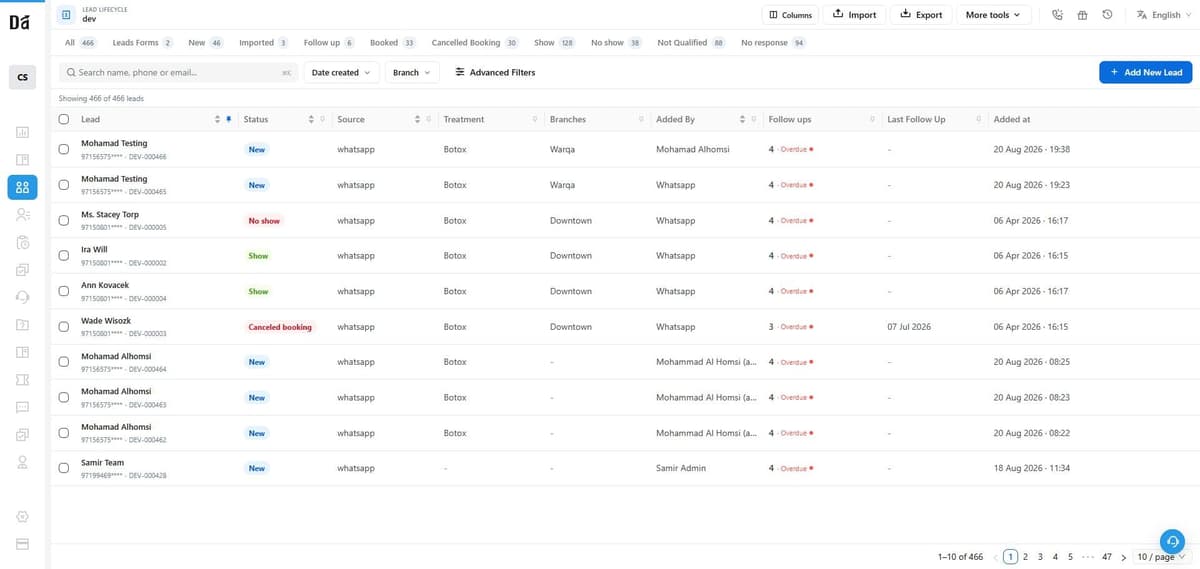
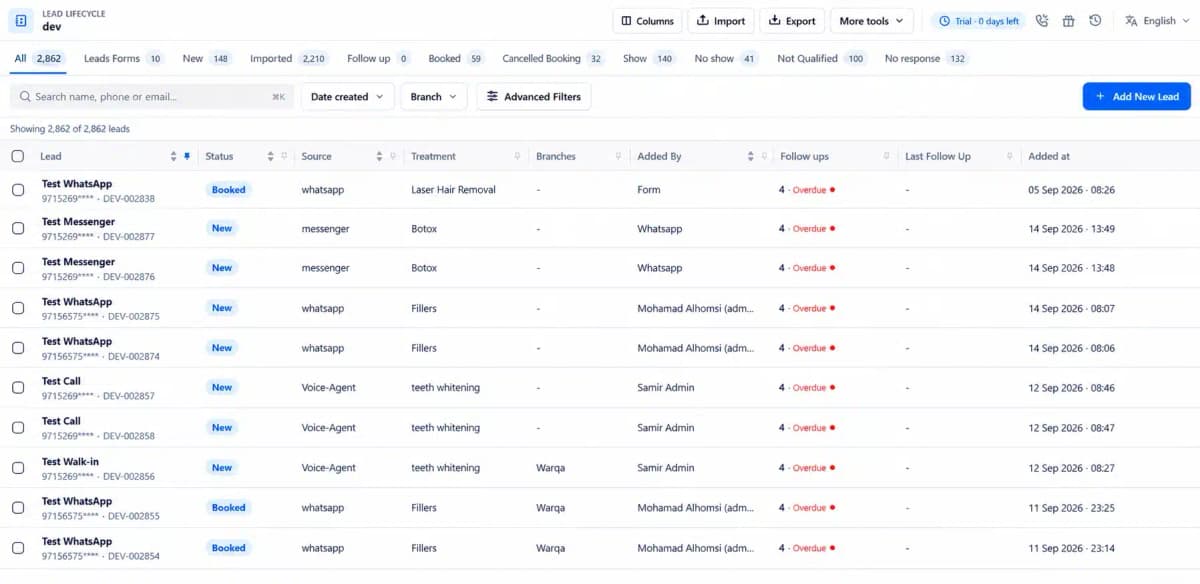
Healthcare CRMs are increasingly recognized as critical tools for managing multi-department collaboration. By consolidating patient data, communication history, and departmental workflows, CRMs allow teams to:

  • Track patient progress across all departments.
  • Assign and monitor tasks in real-time.
  • Automate alerts for follow-ups, lab results, or treatment milestones.
  • Generate actionable reports on departmental performance and patient outcomes.

Integrating CRM systems into healthcare operations bridges gaps between administrative, clinical, and support teams, ensuring consistent and efficient patient care.

Coordinating Multi-Department Healthcare Teams

Future Trends in Multi-Department Coordination

As healthcare technology evolves, multi-department coordination will continue to improve through:

  • AI and predictive analytics for anticipating patient needs and resource allocation.
  • Telehealth integration to coordinate care across remote locations.
  • Mobile platforms for instant access to patient records and departmental updates.
  • Interoperable systems enabling seamless sharing of data between hospitals, labs, and pharmacies.

These trends indicate that coordinated, technology-enabled teamwork will be a cornerstone of modern healthcare, driving both operational excellence and superior patient outcomes.

Read About Doctorna

Get a full product demo via a video call