Understanding Digital Transformation in Healthcare CRM

Understanding Digital Transformation in Healthcare CRM

Understanding Digital Transformation in Healthcare CRM

The healthcare industry is undergoing a profound shift driven by digital transformation. From electronic health records to telemedicine, technology is redefining how care is delivered and experienced. At the center of this evolution lies Healthcare Customer Relationship Management (CRM)—a powerful system that helps healthcare organizations manage patient relationships, streamline operations, and deliver personalized care. Understanding how digital transformation impacts healthcare CRM is essential for providers looking to stay competitive and patient-focused in a rapidly changing environment.

What Is Healthcare CRM?

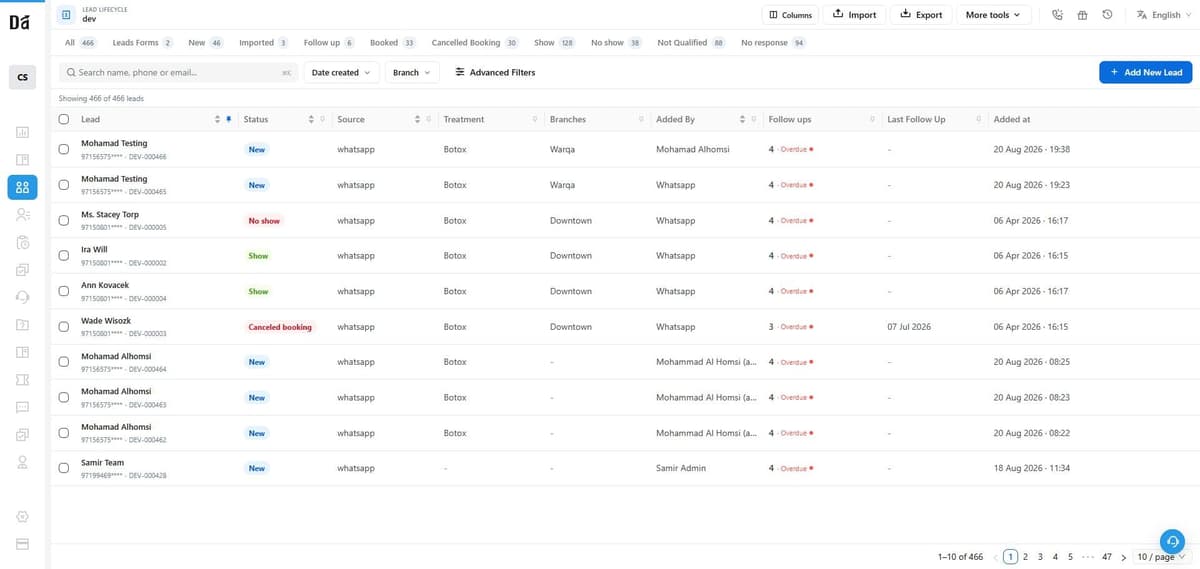
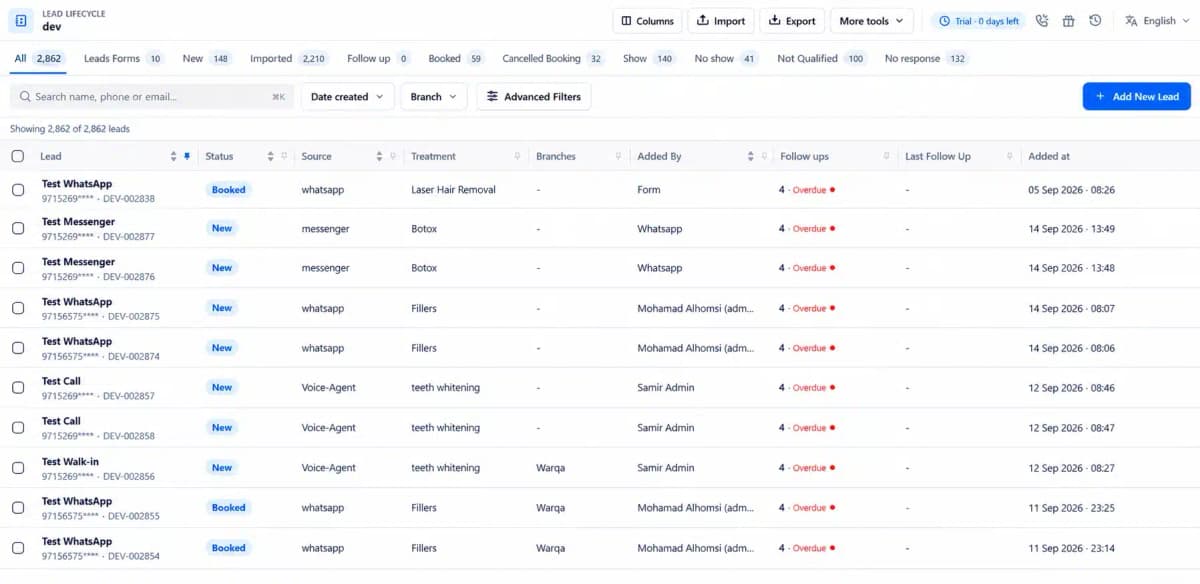
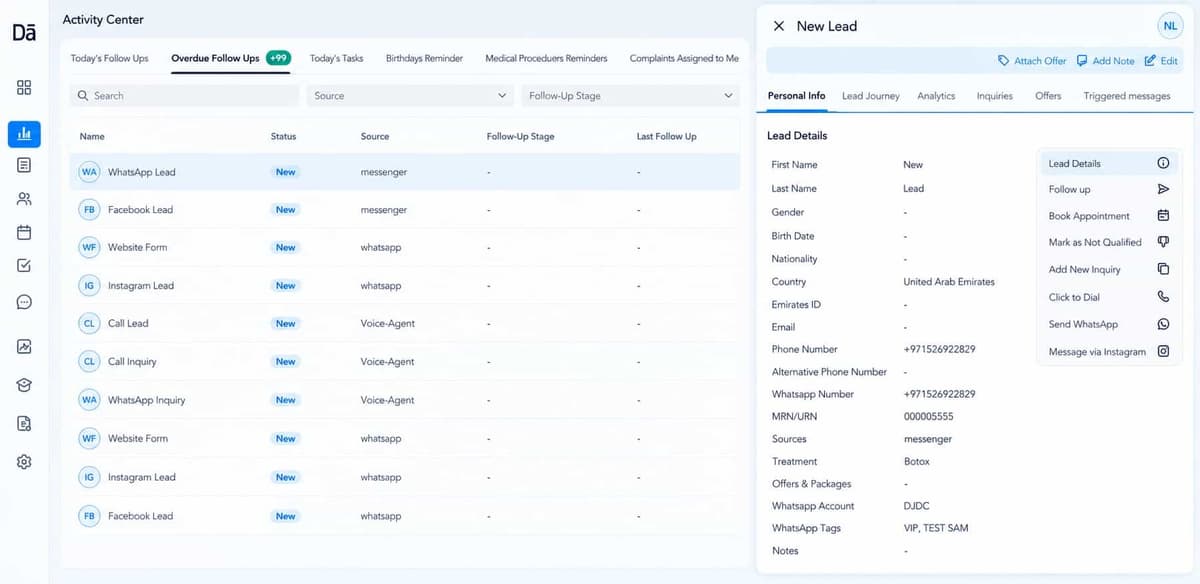
Healthcare CRM is a technology platform designed to manage interactions between healthcare providers and patients across the entire care journey. Unlike traditional CRMs used in sales or retail, healthcare CRM focuses on patient engagement, communication, care coordination, and long-term relationship building. It integrates data from multiple touchpoints such as appointments, billing, feedback, marketing campaigns, and clinical systems to provide a unified view of the patient.

When combined with digital transformation strategies, healthcare CRM evolves from a simple data management tool into a smart, patient-centric ecosystem.

The Role of Digital Transformation in Healthcare CRM

Digital transformation refers to the adoption of digital technologies to fundamentally change how organizations operate and deliver value. In healthcare CRM, this transformation enhances both clinical and non-clinical processes by improving efficiency, accuracy, and patient satisfaction.

Key technologies driving this change include cloud computing, artificial intelligence (AI), data analytics, automation, and system integrations. Together, these innovations enable healthcare providers to move from reactive care to proactive, personalized, and value-based care models.

Enhancing Patient Engagement and Experience

One of the most significant impacts of digital transformation on healthcare CRM is improved patient engagement. Modern CRM platforms enable providers to communicate with patients through multiple digital channels such as email, SMS, mobile apps, and patient portals.

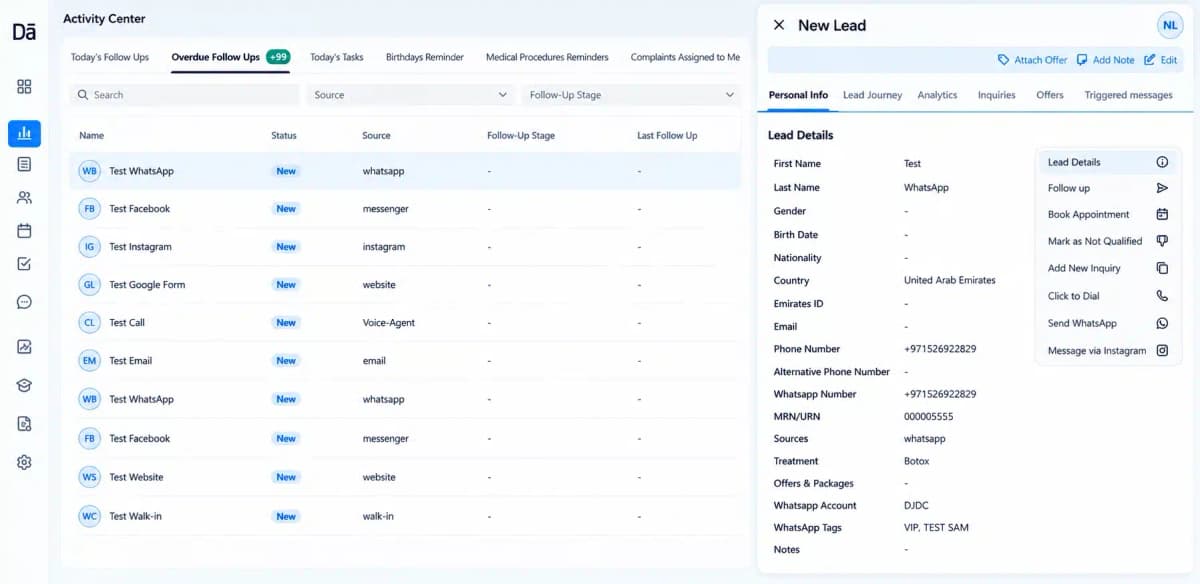
Automated appointment reminders, follow-up messages, health tips, and medication alerts help reduce no-shows and improve treatment adherence. Personalized communication based on patient history and preferences builds trust and strengthens long-term relationships. As patients increasingly expect the same digital convenience they experience in other industries, healthcare CRM plays a vital role in meeting these expectations.

Data-Driven Decision Making

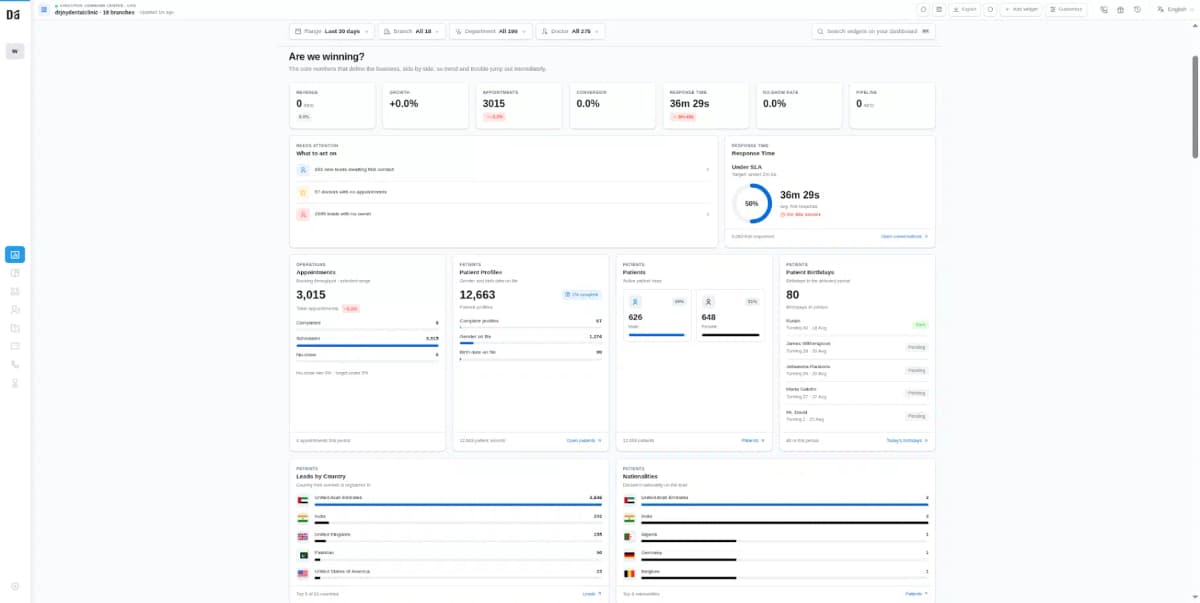
Digital transformation empowers healthcare CRM systems with advanced data analytics capabilities. By aggregating data from electronic health records (EHRs), billing systems, call centers, and marketing platforms, CRM solutions provide actionable insights into patient behavior and operational performance.

Healthcare organizations can identify trends such as frequently missed appointments, common patient concerns, or service demand patterns. These insights help administrators and clinicians make informed decisions, optimize resources, and design targeted outreach programs that improve care outcomes and operational efficiency.

Integration with Healthcare Systems

A digitally transformed healthcare CRM does not operate in isolation. Seamless integration with EHRs, laboratory systems, telemedicine platforms, and billing software ensures data flows smoothly across the organization. This interoperability reduces manual data entry, minimizes errors, and gives staff a comprehensive view of each patient.

For example, when CRM is integrated with EHR systems, care teams can access patient communication history alongside clinical data. This holistic view supports better coordination, faster responses, and more personalized interactions.

Automation and Workflow Optimization

Automation is another cornerstone of digital transformation in healthcare CRM. Routine administrative tasks such as appointment scheduling, patient onboarding, insurance verification, and follow-ups can be automated, freeing up staff to focus on patient care.

Automated workflows improve consistency and reduce delays, leading to faster service delivery and lower operational costs. For healthcare providers facing staff shortages and rising patient volumes, CRM-driven automation is no longer optional—it is a necessity.

Supporting Value-Based Care Models

As the industry shifts from fee-for-service to value-based care, healthcare CRM systems play a crucial supporting role. Digital CRM platforms help track patient outcomes, monitor satisfaction levels, and manage long-term care plans.

By maintaining continuous engagement with patients, healthcare organizations can focus on preventive care, chronic disease management, and post-treatment follow-ups. This approach not only improves patient health outcomes but also aligns with value-based reimbursement models that reward quality over quantity.

Security and Compliance Considerations

With increased digitization comes increased responsibility for data security and compliance. Healthcare CRM systems must adhere to strict regulations related to patient data privacy and protection. Modern CRM platforms incorporate robust security features such as data encryption, role-based access controls, and audit trails.

Digital transformation also enables better compliance management by ensuring accurate record-keeping and transparent data handling practices. When implemented correctly, CRM systems enhance trust while safeguarding sensitive patient information.

The Future of Healthcare CRM

The future of healthcare CRM lies in intelligent, predictive, and patient-centric solutions. AI-powered CRMs will increasingly predict patient needs, recommend personalized care plans, and identify potential risks before they escalate. As digital transformation continues, healthcare CRM will become an indispensable tool for delivering efficient, compassionate, and connected care.

Read About Doctorna

Get a full product demo via a video call