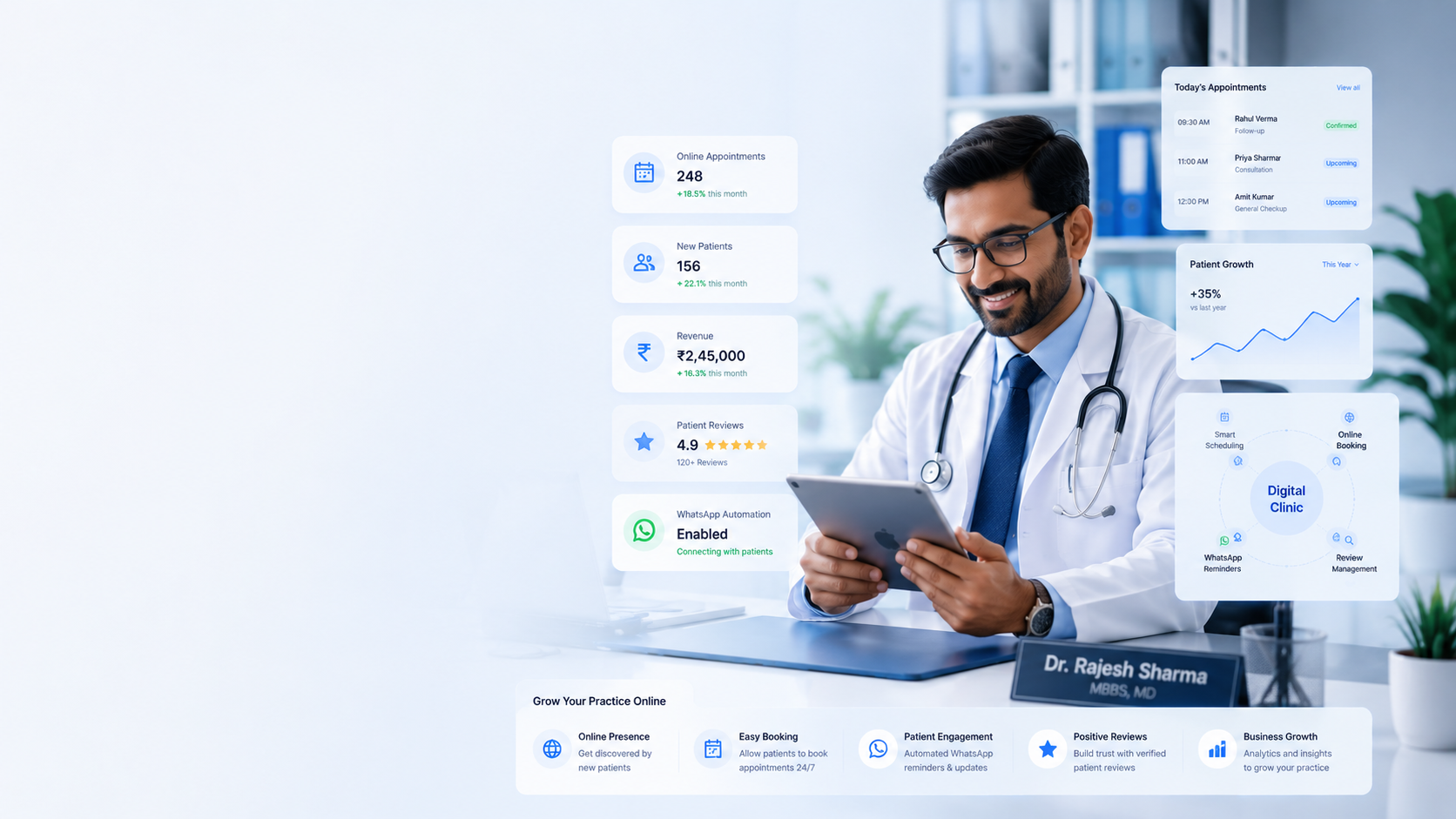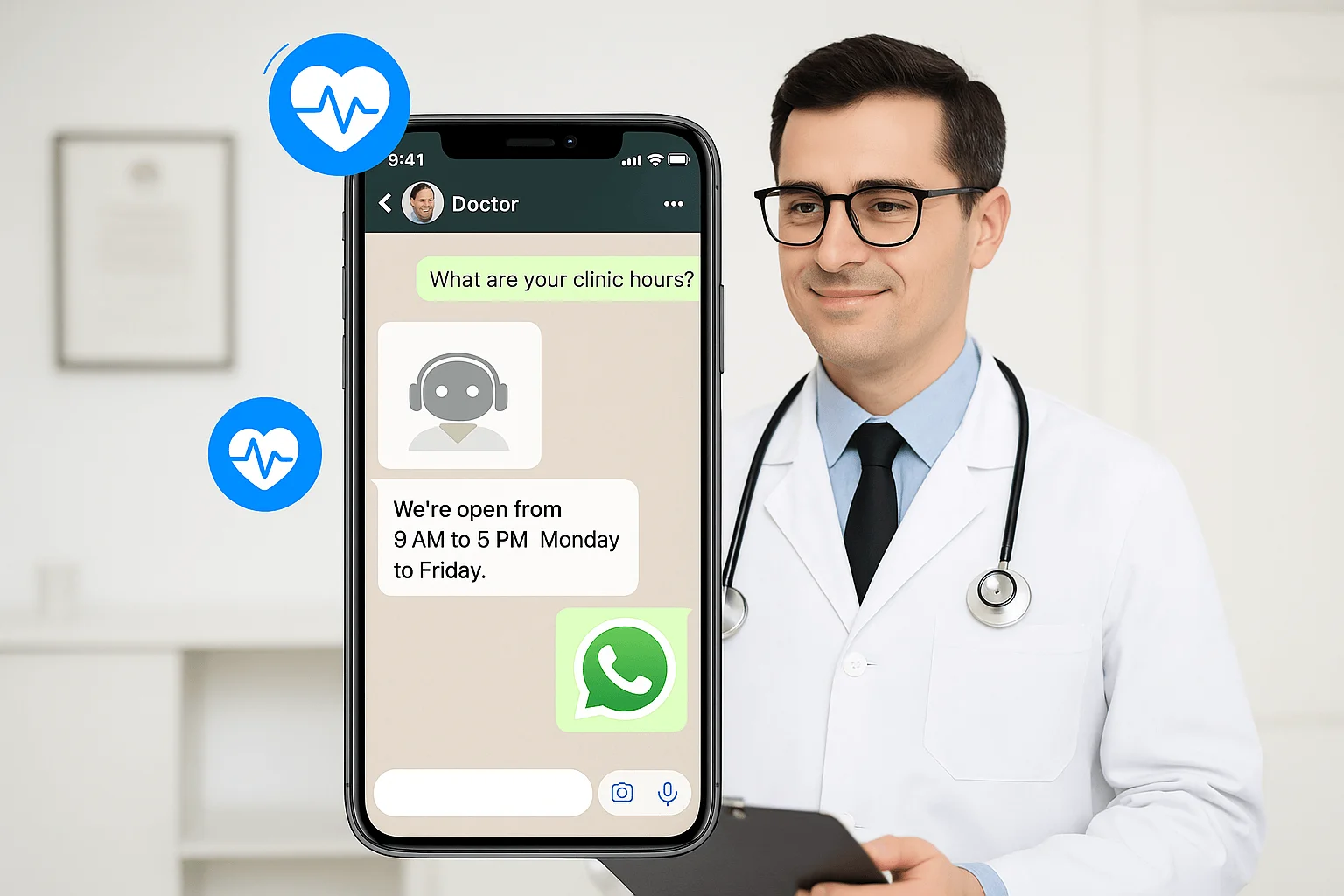


How Healthcare Information Systems Enhance Care is a key topic in today’s rapidly evolving healthcare industry. As hospitals, clinics, and healthcare organizations continue to embrace digital transformation, Healthcare Information Systems (HIS) have become essential tools for delivering efficient, accurate, and patient-centered care. These systems integrate clinical, administrative, and financial processes into a centralized digital platform, enabling healthcare professionals to access critical information quickly and make informed decisions.
Healthcare providers manage vast amounts of patient data every day, including medical histories, diagnostic reports, prescriptions, laboratory results, appointment schedules, and billing information. Without an efficient information system, managing this data can be challenging and prone to errors. Modern Healthcare Information Systems streamline workflows, improve communication, reduce administrative burdens, and support better clinical outcomes. As a result, they play a vital role in enhancing the overall quality of healthcare services.
Understanding Healthcare Information Systems
A Healthcare Information System is a comprehensive digital solution designed to manage and organize healthcare data while supporting the daily operations of medical facilities. It connects multiple departments, including patient registration, outpatient care, inpatient services, pharmacy, laboratory, radiology, billing, and medical records through a single integrated platform.
This centralized approach ensures that healthcare professionals have secure access to accurate and up-to-date patient information whenever it is needed. By eliminating isolated data systems, Healthcare Information Systems improve coordination, reduce duplication, and increase operational efficiency.
Improving Patient Care
One of the primary ways Healthcare Information Systems enhance care is by providing healthcare professionals with immediate access to complete patient records. Accurate medical information allows doctors, nurses, and specialists to make informed treatment decisions without unnecessary delays.
Healthcare providers can quickly review:
- Medical history
- Current medications
- Allergies
- Laboratory reports
- Diagnostic imaging
- Previous treatments
Having comprehensive patient information readily available improves diagnostic accuracy, reduces treatment delays, and supports better clinical outcomes.
Faster Access to Patient Information
Time is critical in healthcare, particularly during emergencies. Healthcare Information Systems enable authorized medical staff to retrieve patient information within seconds from secure digital records.
Instead of searching through paper files or disconnected systems, healthcare professionals can instantly access essential medical information. This rapid availability supports faster diagnosis, timely treatment, and improved patient safety.
Better Communication Between Healthcare Teams
Effective collaboration among healthcare professionals is essential for quality patient care. Healthcare Information Systems facilitate seamless communication across departments by allowing medical information to be shared securely in real time.
For example:
- Physicians receive laboratory results immediately.
- Pharmacists access electronic prescriptions.
- Radiologists upload imaging reports directly into patient records.
- Nurses review updated treatment plans instantly.
Improved communication reduces delays, minimizes misunderstandings, and ensures every healthcare professional has access to the same accurate information.
Streamlining Administrative Processes
Healthcare organizations manage numerous administrative responsibilities, including appointment scheduling, patient admissions, discharge planning, billing, and insurance processing. Manual handling of these tasks can be time-consuming and inefficient.
Healthcare Information Systems automate many routine administrative functions, reducing paperwork while improving workflow efficiency. Automated processes help healthcare staff focus more on patient care and less on repetitive administrative duties.
Enhancing Patient Safety
Patient safety remains a top priority for every healthcare organization. Healthcare Information Systems help reduce medical errors by providing clinical decision support and automated safety alerts.
These systems can identify:
- Medication interactions
- Drug allergies
- Duplicate prescriptions
- Incorrect dosages
- Patient identification errors
By alerting healthcare professionals to potential risks before treatment begins, Healthcare Information Systems contribute to safer and more reliable healthcare delivery.
Efficient Appointment and Resource Management
Managing appointments, healthcare professionals, medical equipment, and treatment rooms efficiently is essential for smooth hospital operations.
Healthcare Information Systems support:
- Online appointment scheduling
- Patient registration
- Resource allocation
- Bed management
- Waiting list management
- Staff scheduling
These capabilities improve patient flow, reduce waiting times, and maximize the use of healthcare resources.
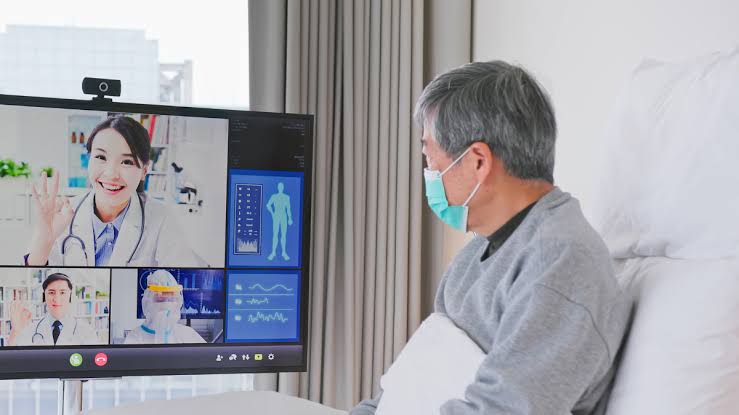
Supporting Remote Healthcare Services
As digital healthcare expands, Healthcare Information Systems play an important role in supporting virtual care and telemedicine services. Secure access to patient records enables healthcare professionals to conduct remote consultations while maintaining continuity of care.
Patients benefit from convenient healthcare access without unnecessary travel, while providers can continue delivering high-quality medical services through digital platforms.
Improving Financial Management
Healthcare organizations must efficiently manage financial operations while maintaining transparency and accuracy. Healthcare Information Systems automate billing, insurance claims, payment processing, and financial reporting.
Benefits include:
- Faster invoice generation
- Reduced billing errors
- Simplified insurance processing
- Accurate financial reporting
- Improved revenue management
Efficient financial management supports the long-term sustainability of healthcare organizations.
Data Analytics for Better Decision-Making
Healthcare Information Systems collect valuable operational and clinical data that healthcare administrators can analyze to improve organizational performance.
Analytics provide insights into:
- Patient admission patterns
- Treatment outcomes
- Resource utilization
- Department efficiency
- Financial performance
- Staff productivity
These insights enable healthcare leaders to make informed decisions that improve both patient care and operational effectiveness.
Strengthening Data Security
Protecting patient information is a fundamental responsibility for healthcare organizations. Modern Healthcare Information Systems include advanced security measures such as encryption, secure authentication, role-based access controls, and audit logs.
These security features help maintain patient confidentiality while ensuring compliance with healthcare data protection regulations.
Supporting Future Healthcare Innovation
Healthcare technology continues to evolve with artificial intelligence, predictive analytics, wearable health devices, cloud computing, and remote patient monitoring. Healthcare Information Systems provide the digital infrastructure needed to integrate these emerging technologies into everyday clinical practice.
This flexibility ensures healthcare organizations remain prepared for future advancements while continuously improving patient care and operational efficiency.
How Healthcare Information Systems Enhance Care is evident through their ability to improve patient safety, streamline operations, strengthen communication, and provide healthcare professionals with instant access to accurate medical information. By integrating clinical, administrative, and financial processes into one secure platform, these systems enable healthcare organizations to deliver more efficient and patient-centered care.
As healthcare continues to embrace digital transformation, Healthcare Information Systems will remain essential for improving service quality, supporting informed decision-making, and enhancing patient outcomes. Investing in modern healthcare information systems allows hospitals and clinics to build a more connected, efficient, and future-ready healthcare environment that benefits both patients and healthcare professionals.