AI-Driven Healthcare CRM: Benefits and Implementation
The healthcare industry is rapidly evolving, with technology playing a central role in improving patient care and operational efficiency. One


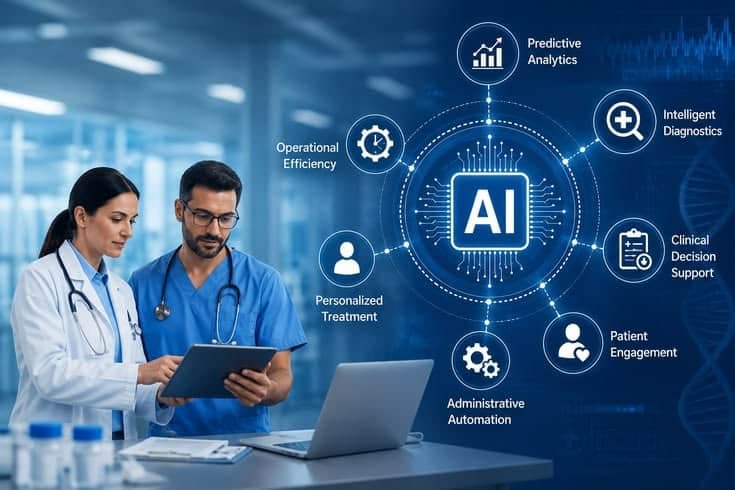
The healthcare industry is rapidly evolving, with technology playing a central role in improving patient care and operational efficiency. One of the most impactful innovations is the integration of artificial intelligence (AI) into Customer Relationship Management (CRM) systems. Understanding AI-Driven Healthcare CRM: Benefits and Implementation helps healthcare organizations deliver personalized care, streamline processes, and achieve better outcomes.
What Is an AI-Driven Healthcare CRM?
An AI-driven healthcare CRM combines traditional CRM capabilities with advanced AI technologies such as machine learning, predictive analytics, and natural language processing. These systems not only store and manage patient data but also analyze it to provide actionable insights.
Unlike standard CRM platforms, AI-powered systems can predict patient needs, automate communication, and support clinical and administrative decision-making.
Key Benefits of AI-Driven Healthcare CRM
1. Personalized Patient Engagement
AI enables healthcare providers to offer highly personalized experiences. By analyzing patient history, preferences, and behavior, the system can send tailored messages, appointment reminders, and health recommendations.
This level of personalization improves patient satisfaction and strengthens long-term relationships.
2. Predictive Analytics for Better Outcomes
One of the standout benefits of AI-driven CRM is predictive analytics. These systems can identify patterns in patient data to predict potential health risks or future needs.
For example, patients with chronic conditions can be monitored more effectively, allowing for early intervention and improved care outcomes.
3. Automation of Administrative Tasks
AI reduces the burden of repetitive administrative work. Tasks such as scheduling, follow-ups, billing reminders, and data entry can be automated.
This not only saves time but also reduces human error, allowing healthcare professionals to focus more on patient care.
4. Improved Patient Retention
AI-driven insights help healthcare providers understand patient behavior and preferences. This enables targeted engagement strategies that keep patients connected to the organization.
Higher retention rates lead to increased revenue and better continuity of care.
5. Enhanced Decision-Making
With access to real-time data and intelligent insights, healthcare providers can make informed decisions quickly. AI tools analyze large datasets to provide recommendations on treatment plans, resource allocation, and operational improvements.
6. Efficient Resource Management
AI helps optimize the use of resources by predicting patient flow, managing appointments, and identifying inefficiencies. This leads to better utilization of staff and facilities, reducing operational costs.
7. Advanced Data Security
AI-driven systems can detect unusual patterns and potential security threats in real time. This enhances data protection and ensures compliance with healthcare regulations.
Role of AI in Patient Journey Optimization
AI-driven healthcare CRM systems enhance every stage of the patient journey:
- Awareness: Targeted marketing campaigns based on data insights
- Acquisition: Personalized onboarding and communication
- Engagement: Continuous interaction through automated messaging
- Retention: Proactive care and follow-ups
This end-to-end optimization ensures a seamless and satisfying patient experience.
Implementation of AI-Driven Healthcare CRM
Implementing an AI-powered CRM system requires careful planning and execution. Here are the key steps:
1. Define Objectives
Start by identifying your goals. Whether it’s improving patient engagement, reducing costs, or enhancing care quality, clear objectives guide the implementation process.
2. Choose the Right Platform
Select a CRM solution that supports AI capabilities and aligns with your organization’s needs. Consider factors such as scalability, integration, and ease of use.
3. Data Integration and Management
AI systems rely on high-quality data. Integrate data from various sources such as electronic health records (EHR), billing systems, and patient portals.
Ensure that the data is clean, accurate, and well-organized for effective analysis.
4. Ensure Compliance and Security
Healthcare data is highly sensitive, so compliance with regulations is critical. Implement robust security measures to protect patient information and maintain trust.
5. Train Staff
Successful implementation depends on user adoption. Provide training to staff members so they can effectively use the system and understand its benefits.
6. Start with Pilot Programs
Begin with a small-scale implementation to test the system and identify potential issues. This allows for adjustments before a full rollout.
7. Monitor and Optimize
Continuously track performance and gather feedback. Use analytics to measure success and make improvements over time.
Challenges to Consider
While AI-driven healthcare CRM offers numerous advantages, there are challenges to address:
- High initial investment
- Data privacy concerns
- Integration complexities
- Resistance to change among staff
- Need for ongoing maintenance and updates
Addressing these challenges with a strategic approach ensures a smoother implementation process.
Future of AI in Healthcare CRM
The future of AI-driven healthcare CRM is promising. Emerging technologies such as advanced analytics, voice assistants, and real-time monitoring will further enhance capabilities.
Healthcare organizations that adopt AI early will be better positioned to deliver innovative, patient-centric care while maintaining operational efficiency.
AI-Driven Healthcare CRM: Benefits and Implementation is transforming how healthcare organizations operate and interact with patients. By leveraging AI, providers can deliver personalized experiences, improve outcomes, and optimize resources.
With a well-planned implementation strategy, healthcare organizations can overcome challenges and unlock the full potential of AI-powered CRM systems. Investing in this technology is not just a step forward—it’s a strategic move toward smarter, more efficient, and patient-focused healthcare.
The Doctorna editorial desk writes about healthcare operations, patient experience and the systems clinics use to connect them.