Benefits of Healthcare CRM for Modern Healthcare Organizations
Healthcare organizations are continually looking for ways to improve patient care, streamline administrative processes, and strengthen communication. As patient expectations


Healthcare organizations are continually looking for ways to improve patient care, streamline administrative processes, and strengthen communication. As patient expectations continue to evolve, managing relationships effectively has become just as important as providing quality medical services. This is where Healthcare Customer Relationship Management (CRM) systems play a crucial role. Understanding the Benefits of Healthcare CRM for Modern Healthcare Organizations helps hospitals, clinics, diagnostic centers, and healthcare providers deliver personalized patient experiences while improving operational efficiency and long-term growth.
A Healthcare CRM centralizes patient information, automates communication, enhances care coordination, and provides valuable insights that support better decision-making. It enables healthcare organizations to build stronger patient relationships while optimizing day-to-day operations.
What Is a Healthcare CRM?
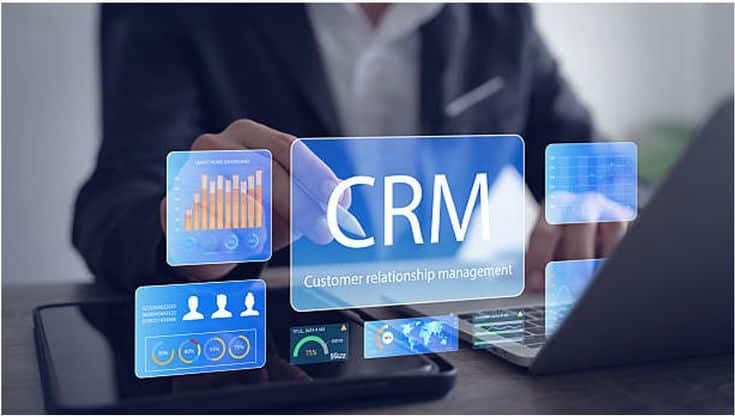
A Healthcare CRM (Customer Relationship Management) system is specialized software designed to manage patient interactions, communication, appointments, follow-ups, marketing activities, and administrative workflows. Unlike traditional CRM solutions, Healthcare CRMs are built to address the unique requirements of healthcare providers while supporting patient engagement and care continuity.
Healthcare CRMs are widely used by:
- Hospitals
- Multi-specialty clinics
- Dental practices
- Diagnostic laboratories
- Telemedicine providers
- Rehabilitation centers
- Wellness clinics
Benefits of Healthcare CRM for Modern Healthcare Organizations
1. Improves Patient Engagement
One of the biggest Benefits of Healthcare CRM for Modern Healthcare Organizations is stronger patient engagement. The CRM enables healthcare providers to maintain consistent communication with patients throughout their healthcare journey.
Healthcare CRM helps organizations:
- Send appointment reminders
- Share health education materials
- Deliver follow-up messages
- Notify patients about preventive care
- Provide personalized healthcare recommendations
Better engagement encourages patients to remain connected with their healthcare providers.
Enhances Patient Experience
A positive patient experience is essential for building trust and loyalty. Healthcare CRM systems simplify communication and reduce administrative delays.
Patients benefit from:
- Faster appointment scheduling
- Timely reminders
- Personalized interactions
- Quicker responses to inquiries
- Simplified access to healthcare services
An improved experience often leads to higher patient satisfaction and retention.
Streamlines Appointment Management
Managing appointments manually can be time-consuming and prone to errors. Healthcare CRM automates scheduling processes, making them more efficient.
Key features include:
- Online appointment booking
- Automated confirmations
- Rescheduling support
- Cancellation management
- Reminder notifications
These features reduce missed appointments and improve clinic productivity.
Strengthens Patient Retention
Retaining existing patients is often more cost-effective than acquiring new ones. Healthcare CRM helps organizations maintain long-term relationships through personalized communication and continuous engagement.
Patient retention improves through:
- Regular follow-ups
- Health reminders
- Personalized care plans
- Ongoing communication
- Wellness campaign updates
Strong relationships encourage patients to return for future healthcare services.
Improves Care Coordination
Healthcare often involves collaboration among physicians, specialists, nurses, and administrative staff. A Healthcare CRM provides centralized patient information that supports seamless communication between departments.
Benefits include:
- Better information sharing
- Reduced communication gaps
- Coordinated treatment plans
- Improved continuity of care
Effective collaboration contributes to better patient outcomes.
Automates Administrative Tasks
Healthcare CRM reduces the workload associated with repetitive administrative activities.
Automation can handle:
- Appointment reminders
- Patient registration
- Email communication
- SMS notifications
- Follow-up scheduling
- Marketing campaigns
By automating routine tasks, healthcare staff can focus more on delivering quality patient care.
Enhances Marketing and Patient Outreach
Healthcare organizations can use CRM systems to build stronger relationships with both current and prospective patients.
Marketing features include:
- Email campaigns
- SMS marketing
- Preventive care awareness
- Health event promotions
- Seasonal healthcare campaigns
Targeted communication improves patient engagement while attracting new patients.
Provides Valuable Analytics and Reporting
Healthcare CRM systems generate reports that help organizations evaluate performance and make informed decisions.
Analytics may include:
- Appointment trends
- Patient satisfaction scores
- Campaign performance
- Patient retention rates
- Revenue insights
These reports support continuous improvement and strategic planning.
Increases Operational Efficiency
Healthcare CRM simplifies workflows by organizing patient information in a centralized system that is accessible to authorized staff.
Operational improvements include:
- Faster information retrieval
- Reduced paperwork
- Improved scheduling
- Better communication
- Efficient resource management
Streamlined operations help healthcare organizations provide faster and more reliable services.
Supports Regulatory Compliance
Healthcare organizations must protect sensitive patient information and comply with healthcare regulations.
Modern Healthcare CRM systems support compliance by offering:
- Secure data storage
- Role-based access controls
- Data encryption
- Audit trails
- Privacy management
These features help safeguard patient information while supporting legal and regulatory requirements.
Improves Data Security
Patient data is one of the most valuable assets in healthcare. Healthcare CRM solutions include advanced security measures that reduce the risk of unauthorized access and cyber threats.
Security features often include:
- Multi-factor authentication
- Encrypted communication
- Secure cloud storage
- User permission management
- Continuous monitoring
Strong security builds patient trust and protects organizational reputation.
Supports Scalability
As healthcare organizations grow, they require systems that can adapt to increasing patient volumes and expanding services.
Healthcare CRM platforms support scalability by allowing providers to:
- Add new departments
- Expand clinic locations
- Integrate additional services
- Manage growing patient databases
Scalable systems help organizations grow without disrupting existing operations.
Best Practices for Using a Healthcare CRM
To maximize the benefits of a Healthcare CRM, healthcare providers should:
- Select a CRM built specifically for healthcare.
- Integrate it with EHR and EMR systems.
- Train staff on CRM features and workflows.
- Automate routine communication and reminders.
- Monitor patient engagement through analytics.
- Regularly update patient records.
- Protect sensitive information with strong security practices.
- Continuously gather patient feedback to improve services.
The Future of Healthcare CRM
Healthcare CRM technology is evolving with artificial intelligence (AI), predictive analytics, machine learning, and telemedicine integration. AI-powered CRMs can automate patient communication, predict appointment needs, identify high-risk patients, and deliver personalized healthcare recommendations.
As digital transformation continues, Healthcare CRM systems will become even more important for improving patient care, enhancing operational efficiency, and supporting value-based healthcare.
The Doctorna editorial desk writes about healthcare operations, patient experience and the systems clinics use to connect them.