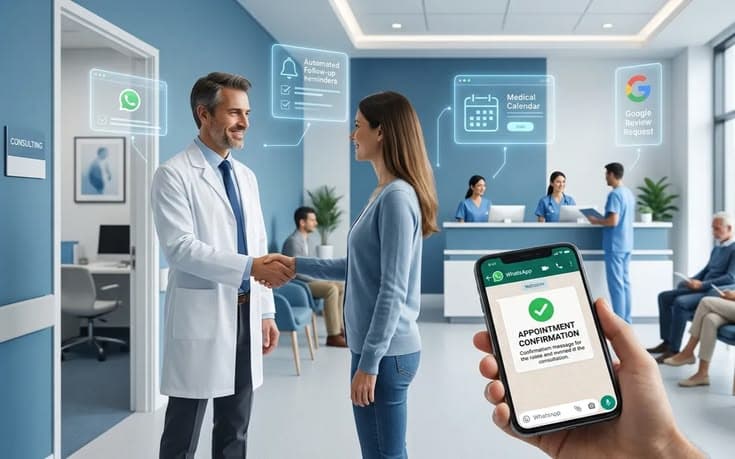
How Healthcare CRM Improves Patient Communication and Builds Trust
In today’s patient-centered healthcare environment, communication plays a vital role in delivering quality care and fostering strong relationships. Patients expect


In today’s patient-centered healthcare environment, communication plays a vital role in delivering quality care and fostering strong relationships. Patients expect timely updates, personalized interactions, and clear information about their health. This is where Customer Relationship Management (CRM) systems tailored for healthcare make a significant difference. Understanding How Healthcare CRM Improves Patient Communication and Builds Trust helps healthcare organizations enhance engagement, improve satisfaction, and create lasting patient relationships.
What is Healthcare CRM?
Healthcare CRM is a technology platform designed to manage patient interactions, streamline communication, and organize patient data in a centralized system. It enables healthcare providers to automate communication processes, track patient journeys, and deliver personalized care experiences.
Unlike traditional communication methods, healthcare CRM systems integrate multiple channels such as email, SMS, phone, and patient portals, ensuring seamless and consistent communication.
The Importance of Communication in Healthcare
Effective communication is the foundation of trust in healthcare. Patients rely on clear and accurate information to make informed decisions about their treatment. When communication is timely and transparent, patients feel more confident in their healthcare providers.
On the other hand, poor communication can lead to confusion, missed appointments, and dissatisfaction. It can also affect treatment adherence and overall health outcomes. This highlights the importance of leveraging tools like CRM to enhance communication strategies.
Streamlining Patient Communication
One of the key benefits of healthcare CRM is its ability to streamline communication. Automated systems can send appointment reminders, follow-up messages, test results, and health tips without requiring manual effort.
For example, patients receive instant notifications about upcoming appointments, reducing the likelihood of missed visits. Automated follow-ups ensure that patients stay on track with their treatment plans.
This consistency in communication helps create a reliable and organized healthcare experience.
Personalizing Patient Interactions
Personalization is essential for building trust. Healthcare CRM systems use patient data to tailor communication based on individual preferences, medical history, and behavior.
For instance, a patient with a chronic condition may receive regular health tips and reminders specific to their needs. Similarly, communication can be adjusted based on language preferences and preferred channels.
Personalized interactions make patients feel valued and understood, which strengthens their trust in healthcare providers.
Improving Responsiveness and Accessibility
Patients expect quick responses to their queries and concerns. Healthcare CRM systems enable faster communication by centralizing all patient interactions in one platform.
Healthcare staff can access patient information instantly, allowing them to respond more efficiently. Additionally, features like chat support and patient portals provide patients with easy access to information and assistance.
Improved responsiveness enhances patient satisfaction and builds confidence in the healthcare system.
Enhancing Transparency in Care
Transparency is a key factor in building trust. Healthcare CRM systems ensure that patients are kept informed at every stage of their care journey.
From appointment confirmations to treatment updates and billing information, CRM platforms provide clear and consistent communication. Patients can access their records, track progress, and stay informed about their health.
This openness reduces uncertainty and helps patients feel more in control of their healthcare experience.
Reducing Communication Gaps
Miscommunication can lead to serious consequences in healthcare. Healthcare CRM systems help eliminate communication gaps by ensuring that information is shared accurately and consistently.
Automated workflows ensure that no important message is missed. For example, test results can be delivered promptly, and follow-up instructions can be sent automatically.
By reducing errors and delays, CRM systems contribute to safer and more reliable healthcare delivery.
Strengthening Patient Engagement
Engaged patients are more likely to follow treatment plans and maintain regular communication with healthcare providers. Healthcare CRM systems encourage engagement through continuous interaction and support.
Educational content, wellness tips, and reminders can be delivered regularly to keep patients informed and motivated. CRM platforms also allow patients to provide feedback and participate in their care decisions.
This active involvement fosters a sense of partnership between patients and providers.
Building Long-Term Relationships
Trust is built over time through consistent and meaningful interactions. Healthcare CRM systems help maintain long-term relationships by keeping communication ongoing even after treatment.
Follow-up messages, health check reminders, and personalized outreach ensure that patients feel cared for beyond their immediate needs. This continuity strengthens loyalty and encourages patients to return for future care.
Strong relationships are essential for both patient satisfaction and organizational growth.
Ensuring Data Security and Privacy
Trust in healthcare also depends on how patient data is handled. Healthcare CRM systems are designed with robust security features to protect sensitive information.
Encryption, access controls, and compliance with data protection regulations ensure that patient data remains secure. Transparent data handling practices further enhance patient confidence.
When patients know their information is safe, they are more likely to engage openly with healthcare providers.
The Future of Patient Communication
As technology continues to evolve, healthcare CRM systems will become even more advanced. Integration with artificial intelligence and predictive analytics will enable more proactive communication.
For example, systems can anticipate patient needs and send timely reminders or health recommendations. This proactive approach will further improve communication and strengthen trust.
The future of healthcare communication lies in combining technology with empathy and personalized care.
The Doctorna editorial desk writes about healthcare operations, patient experience and the systems clinics use to connect them.