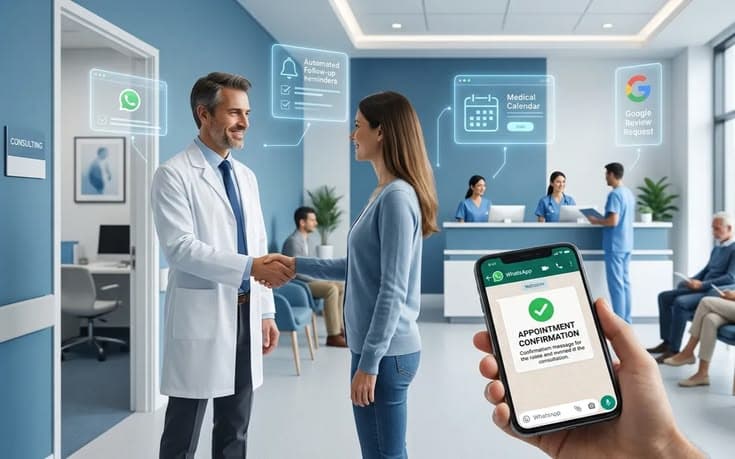
How Healthcare CRM Improves Post-Surgery Follow-Up
Post-surgery care is a critical phase in a patient’s recovery journey. Proper follow-up ensures that healing progresses smoothly, complications are


Post-surgery care is a critical phase in a patient’s recovery journey. Proper follow-up ensures that healing progresses smoothly, complications are avoided, and patients feel supported even after leaving the hospital. However, managing follow-up care can be complex for healthcare providers, especially when dealing with large volumes of patients. This is where Customer Relationship Management (CRM) systems play a transformative role. Understanding How Healthcare CRM Improves Post-Surgery Follow-Up highlights the importance of technology in enhancing patient outcomes and healthcare efficiency.
The Importance of Post-Surgery Follow-Up
After a surgical procedure, patients require continuous monitoring, timely communication, and clear instructions for recovery. Follow-up care helps detect complications early, ensures adherence to treatment plans, and provides reassurance to patients.
When exploring How Healthcare CRM Improves Post-Surgery Follow-Up, it becomes evident that effective follow-up is not just about medical care—it also involves communication, coordination, and patient engagement.
Centralized Patient Information
One of the key ways How Healthcare CRM Improves Post-Surgery Follow-Up is by centralizing patient data. A healthcare CRM system stores all relevant information, including medical history, surgical details, medications, and follow-up schedules, in one place.
This centralized access allows healthcare providers to quickly review patient records and make informed decisions. It also reduces the risk of errors caused by fragmented or missing information.
Automated Follow-Up Reminders
Missed follow-up appointments can delay recovery and increase the risk of complications. Healthcare CRM systems address this issue by automating reminders for patients.
Understanding How Healthcare CRM Improves Post-Surgery Follow-Up involves recognizing how automated notifications—via SMS, email, or calls—ensure that patients attend their scheduled check-ups. These reminders can also include instructions for pre-visit preparation, making the process smoother for both patients and providers.
Personalized Recovery Plans
Every patient’s recovery journey is unique, depending on the type of surgery and individual health conditions. Healthcare CRM systems enable providers to create personalized follow-up plans tailored to each patient.
When considering How Healthcare CRM Improves Post-Surgery Follow-Up, personalization plays a major role. CRM systems can send customized messages, recovery tips, and medication reminders based on the patient’s specific needs.
This tailored approach enhances patient comfort and improves adherence to recovery guidelines.
Continuous Patient Engagement
Maintaining regular communication with patients after surgery is essential for monitoring progress and addressing concerns. Healthcare CRM systems provide tools for ongoing engagement, such as messaging platforms and patient portals.
Exploring How Healthcare CRM Improves Post-Surgery Follow-Up shows how these tools allow patients to ask questions, report symptoms, and receive timely responses. This continuous interaction helps build trust and ensures that patients feel supported throughout their recovery.
Early Detection of Complications
One of the most significant benefits of effective follow-up care is the early detection of potential complications. Healthcare CRM systems can track patient responses, symptoms, and feedback in real time.
By analyzing this data, providers can identify warning signs and take prompt action. This is a crucial aspect of How Healthcare CRM Improves Post-Surgery Follow-Up, as early intervention can prevent serious health issues and reduce hospital readmissions.
Streamlining Administrative Tasks
Managing follow-up care manually can be time-consuming and prone to errors. Scheduling appointments, sending reminders, and updating records require significant administrative effort.
Healthcare CRM systems automate these tasks, making the process more efficient. Understanding How Healthcare CRM Improves Post-Surgery Follow-Up includes recognizing how automation reduces workload and allows healthcare staff to focus more on patient care.
Improving Patient Satisfaction
Patient satisfaction is closely linked to the quality of follow-up care. When patients receive timely communication, personalized support, and clear guidance, they are more likely to have a positive experience.
Healthcare CRM systems enhance satisfaction by ensuring consistent and organized follow-up processes. This is another key dimension of How Healthcare CRM Improves Post-Surgery Follow-Up, as satisfied patients are more likely to trust their providers and recommend their services.
Enhancing Data Analysis and Reporting
Healthcare CRM systems provide valuable insights through data analysis and reporting. Providers can track follow-up outcomes, identify trends, and measure the effectiveness of their processes.
When examining How Healthcare CRM Improves Post-Surgery Follow-Up, these insights help healthcare organizations refine their strategies and improve overall care quality.
For example, analyzing patient feedback can highlight areas for improvement, leading to better follow-up practices.
Ensuring Compliance and Security
Post-surgery follow-up involves handling sensitive patient information. Healthcare CRM systems are designed to ensure data security and compliance with healthcare regulations.
Understanding How Healthcare CRM Improves Post-Surgery Follow-Up also involves recognizing how these systems protect patient data while maintaining transparency and accountability.
This builds trust and ensures that patient information is handled responsibly.
Challenges and Considerations
While healthcare CRM systems offer numerous benefits, implementing them requires careful planning. Challenges may include initial costs, staff training, and system integration.
However, the long-term advantages highlighted in How Healthcare CRM Improves Post-Surgery Follow-Up make these investments worthwhile. With proper implementation, CRM systems can significantly enhance follow-up care and patient outcomes.
The Future of Post-Surgery Follow-Up
The future of post-surgery care is becoming increasingly digital and data-driven. Technologies such as artificial intelligence and remote monitoring are expected to integrate with healthcare CRM systems, further improving follow-up processes.
As we continue to understand How Healthcare CRM Improves Post-Surgery Follow-Up, it is clear that innovation will play a key role in shaping more efficient and patient-centered care models.
The Doctorna editorial desk writes about healthcare operations, patient experience and the systems clinics use to connect them.