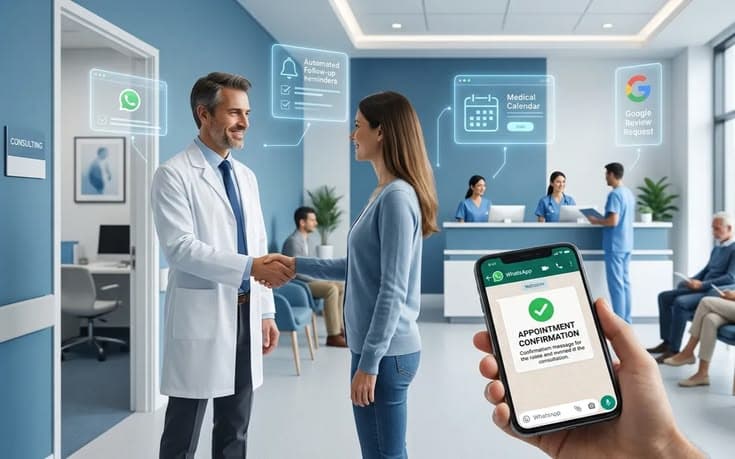
How Healthcare CRM Improves Workflow Efficiency
In today’s fast-paced healthcare environment, managing patient data, communication, and daily operations can be overwhelming. This is where Customer Relationship


In today’s fast-paced healthcare environment, managing patient data, communication, and daily operations can be overwhelming. This is where Customer Relationship Management (CRM) systems tailored for healthcare come into play. Understanding how healthcare CRM improves workflow efficiency is essential for healthcare providers aiming to deliver better patient care while optimizing internal processes.
Healthcare CRM systems are designed to streamline workflows, reduce administrative burden, and enhance coordination among healthcare teams. Let’s explore how they contribute to improved efficiency.
Centralized Patient Data Management
One of the most significant ways healthcare CRM improves workflow efficiency is by centralizing patient information. Instead of relying on multiple systems or manual records, healthcare providers can access all patient data from a single platform.
This includes medical history, appointment records, communication logs, and treatment plans. Having everything in one place reduces time spent searching for information and minimizes errors, allowing healthcare professionals to focus more on patient care.
Streamlined Appointment Scheduling
Managing appointments manually can lead to scheduling conflicts, missed bookings, and inefficiencies. Healthcare CRM systems automate the scheduling process, making it easier to book, reschedule, and track appointments.
Automated reminders via SMS or email reduce no-shows and ensure better time management for both patients and providers. This streamlined approach significantly improves daily workflow.
Enhanced Communication and Collaboration
Effective communication is critical in healthcare settings. CRM systems facilitate seamless communication between patients, doctors, and administrative staff.
With integrated messaging systems, notifications, and shared access to patient data, teams can collaborate more efficiently. This reduces delays in decision-making and ensures that everyone is on the same page.
Automation of Routine Tasks
Another key aspect of how healthcare CRM improves workflow efficiency is automation. Routine administrative tasks such as data entry, billing, follow-ups, and report generation can be automated.
Automation reduces the workload on staff, minimizes human errors, and ensures consistency in processes. This allows healthcare professionals to dedicate more time to patient care rather than administrative duties.
Improved Patient Engagement
Healthcare CRM systems help maintain continuous engagement with patients. From appointment reminders to follow-up messages and health tips, CRM tools keep patients informed and involved in their care journey.
Engaged patients are more likely to adhere to treatment plans and attend scheduled appointments, leading to better health outcomes and smoother workflows.
Data-Driven Decision Making
CRM systems provide valuable insights through analytics and reporting tools. Healthcare providers can track performance metrics, patient trends, and operational efficiency.
These insights help in identifying bottlenecks, optimizing processes, and making informed decisions. Data-driven strategies lead to improved resource allocation and better overall efficiency.
Integration with Other Systems
Modern healthcare CRM systems can integrate with electronic health records (EHR), billing systems, and telehealth platforms. This integration ensures a seamless flow of information across different departments.
By eliminating the need for duplicate data entry and reducing system fragmentation, integration enhances workflow efficiency and improves coordination.
Better Task Management
Healthcare CRM platforms often include task management features that help staff organize and prioritize their work. Assigning tasks, setting deadlines, and tracking progress becomes easier.
This structured approach ensures that important tasks are not overlooked and that workflows remain organized and efficient.
Enhanced Data Security and Compliance
Handling sensitive patient information requires strict adherence to data protection regulations. Healthcare CRM systems are equipped with advanced security features to protect patient data.
Secure access controls, encryption, and compliance with healthcare standards ensure that data is handled safely, reducing the risk of breaches and maintaining trust.
Reduction in Operational Costs
By automating processes and improving efficiency, healthcare CRM systems help reduce operational costs. Less time spent on manual tasks means lower labor costs and fewer errors.
Efficient workflows also lead to better resource utilization, contributing to overall cost savings for healthcare organizations.
Scalability and Flexibility
As healthcare organizations grow, their operational needs become more complex. CRM systems are scalable, allowing them to adapt to increasing patient volumes and expanding services.
This flexibility ensures that workflows remain efficient even as the organization evolves.
Conclusion
Understanding how healthcare CRM improves workflow efficiency highlights the transformative impact of technology in modern healthcare. From centralized data management and automation to enhanced communication and data-driven decision-making, CRM systems streamline operations and improve patient care.
By adopting healthcare CRM solutions, organizations can reduce administrative burdens, optimize workflows, and deliver a higher standard of care. In an industry where efficiency and accuracy are critical, CRM systems have become an indispensable tool for success.
The Doctorna editorial desk writes about healthcare operations, patient experience and the systems clinics use to connect them.