How Healthcare IT Improves Hospital Operations
Healthcare organizations manage large amounts of information every day, from patient records and appointments to billing, laboratory reports, prescriptions, and

Healthcare organizations manage large amounts of information every day, from patient records and appointments to billing, laboratory reports, prescriptions, and clinical documentation. Managing these processes efficiently is essential for providing timely and coordinated healthcare services. Healthcare IT solutions help hospitals connect these activities through digital systems and automated workflows.
Modern healthcare IT can support both clinical and administrative teams by improving access to information, reducing repetitive work, strengthening communication, and providing better visibility into hospital operations.
What Is Healthcare IT?
Healthcare IT refers to the use of information technology to manage healthcare information, services, and operational processes. It includes technologies such as Electronic Health Records (EHRs), Hospital Information Systems (HIS), Electronic Medical Records (EMRs), healthcare CRM platforms, telemedicine systems, laboratory information systems, pharmacy systems, and analytics platforms.
These technologies can work individually or as integrated systems, depending on the needs of a hospital or healthcare organization.
1. Improves Patient Record Management
One of the most important ways healthcare IT improves hospital operations is through digital patient records. Electronic records allow authorized healthcare professionals to access relevant patient information without relying on physical files.
Patient information such as medical history, diagnoses, medications, allergies, test results, and clinical notes can be organized within digital systems. This can make information easier to retrieve and reduce the administrative burden associated with paper-based documentation.
2. Streamlines Appointment Management
Hospitals manage appointments across multiple departments, physicians, and specialties. Digital appointment management systems can help staff schedule, reschedule, and monitor appointments more efficiently.
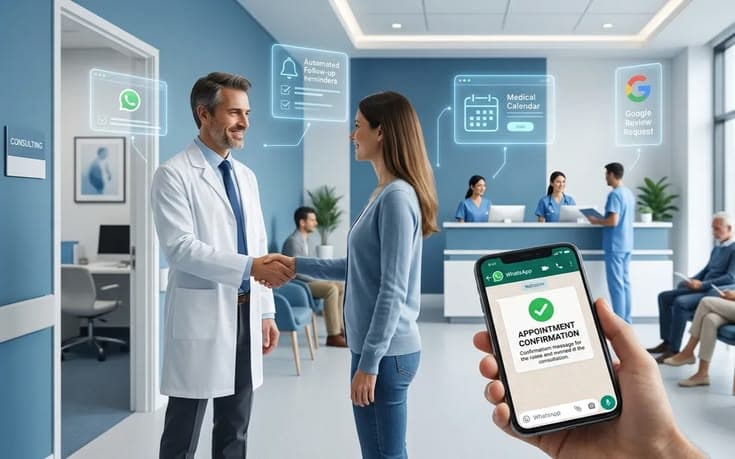
Automated reminders through SMS, email, or other communication channels can also help keep patients informed about upcoming appointments. Better scheduling visibility can help administrative teams manage workloads and reduce avoidable scheduling conflicts.
3. Supports Better Communication Between Departments
Hospitals involve multiple departments that need to exchange information regularly. Healthcare IT can connect departments through centralized systems and shared digital workflows.
For example, clinical teams may need access to laboratory results, radiology reports, medication information, or previous clinical documentation. Integrated systems can make relevant information available to authorized users without requiring repeated manual communication.
4. Reduces Administrative Work
Many hospital processes involve repetitive administrative tasks. Healthcare IT can automate parts of these workflows, including registration, appointment confirmations, billing processes, documentation, notifications, and reporting.
Automation does not eliminate the need for staff oversight, but it can reduce repetitive data-entry tasks and allow employees to focus on activities requiring professional judgment and direct interaction with patients.
5. Enhances Billing and Revenue Cycle Management
Healthcare billing can involve multiple steps, including insurance verification, coding, claims processing, payments, and financial reporting.
Digital healthcare systems can connect clinical and billing information to support more organized revenue cycle workflows. Automated checks and digital documentation can also help identify missing information before claims are submitted.
A more connected billing process can improve operational visibility for hospital management and finance teams.
6. Supports Inventory and Resource Management
Hospitals need to manage medicines, medical supplies, equipment, beds, and other resources. Healthcare IT systems can help staff monitor inventory levels and track resource utilization.
Digital inventory management can provide information about available supplies, usage patterns, and replenishment requirements. This can help hospitals plan resources more effectively and reduce the risk of shortages or unnecessary overstocking.
7. Improves Laboratory and Diagnostic Workflows
Laboratory and diagnostic departments generate significant amounts of information. Integrated healthcare IT systems can connect test orders, laboratory processing, results, and clinical records.
When systems are properly integrated, authorized clinicians can access diagnostic information through connected workflows. This can reduce manual information transfer and help healthcare teams work with updated patient data.
8. Supports Telemedicine and Remote Care
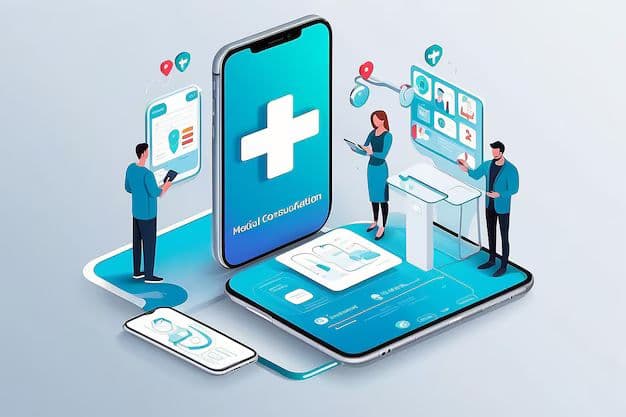
Healthcare IT has also expanded how healthcare services can be delivered. Telemedicine platforms allow healthcare professionals to communicate with patients remotely through video consultations, messaging, and digital health services.
Remote healthcare capabilities can support follow-up consultations and certain types of care without requiring every interaction to take place inside a hospital.
9. Provides Data for Decision-Making
Hospitals generate large amounts of operational and clinical data. Healthcare analytics tools can organize this information into dashboards and reports.
Hospital administrators can use operational data to monitor areas such as appointment volumes, bed utilization, department activity, waiting times, resource usage, and financial performance.
Data-driven reporting can help management identify operational trends and areas that require attention.
10. Strengthens Data Security and Access Control
Healthcare organizations handle sensitive patient information, making data security an essential operational requirement.
Modern healthcare IT systems can use authentication, role-based access controls, encryption, audit trails, backups, and monitoring mechanisms to protect information.
Access can be limited according to staff responsibilities so that users only receive the information and functionality required for their roles.
11. Improves Patient Engagement
Healthcare IT can provide patients with more convenient ways to interact with hospitals. Patient portals and digital healthcare applications can provide access to appointments, medical information, reports, billing details, and communication tools, depending on the system.
These capabilities can reduce the need for patients to contact administrative departments for routine information and can create more convenient digital interactions.
12. Supports Hospital Management
Hospital administrators need visibility across many operational areas. Integrated healthcare IT platforms can bring information from different departments into centralized dashboards and reporting systems.
This can help management monitor performance, identify workflow bottlenecks, allocate resources, and plan operational improvements based on available data.
Challenges to Consider
Although healthcare IT provides significant operational benefits, implementation requires careful planning. Hospitals need to consider interoperability, data privacy, cybersecurity, staff training, system integration, infrastructure, and ongoing maintenance.
Poorly integrated systems can create additional administrative work rather than reducing it. Therefore, healthcare organizations should evaluate their workflows and requirements before selecting and implementing a technology solution.
Healthcare IT improves hospital operations by connecting information, automating routine processes, supporting communication, improving resource management, and providing better visibility into clinical and administrative activities.
From electronic patient records and appointment management to healthcare analytics, telemedicine, billing, and inventory systems, digital technologies can support many areas of hospital operations. When implemented with appropriate security, interoperability, training, and workflow planning, healthcare IT can provide a strong foundation for more connected and efficient healthcare organizations.
The Doctorna editorial desk writes about healthcare operations, patient experience and the systems clinics use to connect them.