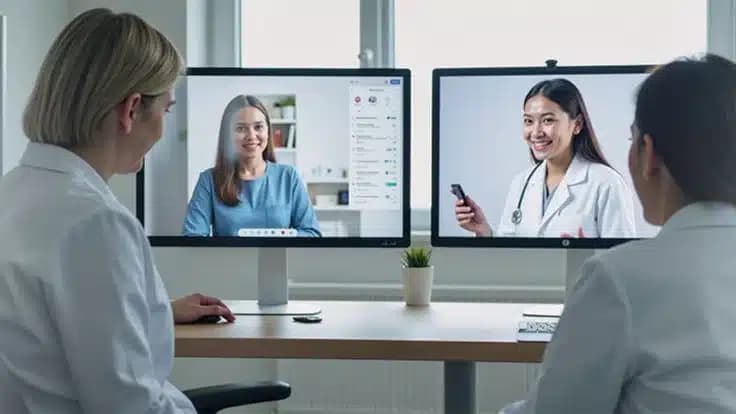
How Healthcare CRM Helps Organizations Improve Service Efficiency
In today’s rapidly evolving healthcare landscape, organizations are under constant pressure to deliver high-quality care while managing operational costs and

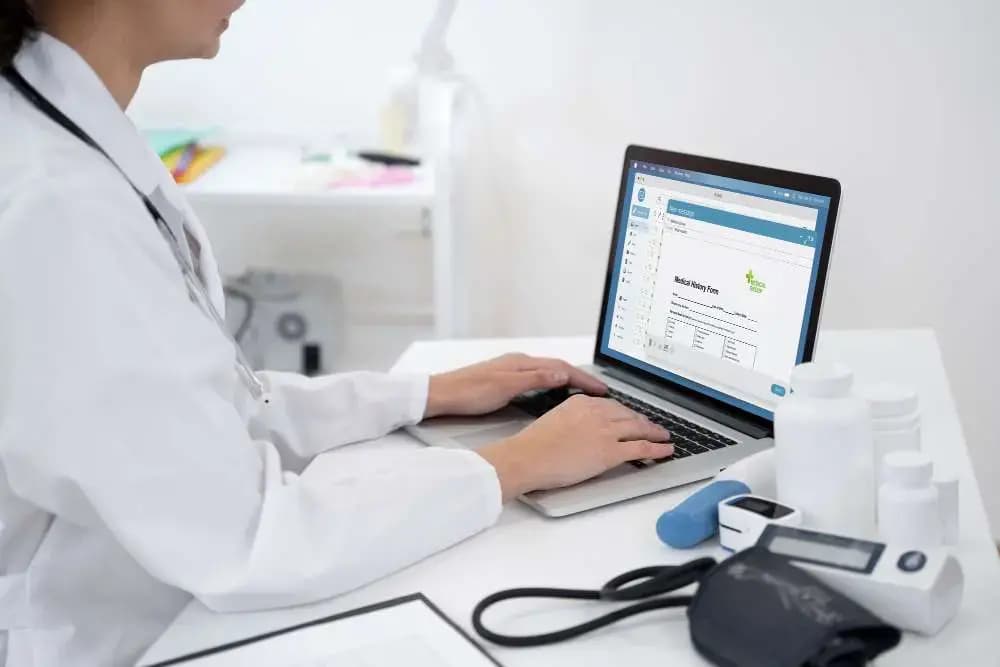
In today’s rapidly evolving healthcare landscape, organizations are under constant pressure to deliver high-quality care while managing operational costs and increasing patient expectations. One of the most effective ways to achieve this balance is through the adoption of Customer Relationship Management (CRM) systems tailored for healthcare. Understanding How Healthcare CRM Helps Organizations Improve Service Efficiency is essential for providers looking to optimize workflows and enhance patient experiences.
What is Healthcare CRM?
Healthcare CRM is a technology solution designed to manage interactions between healthcare providers and patients. It centralizes patient data, automates routine processes, and enables better communication across departments. Unlike traditional systems, healthcare CRM platforms are built to address the unique needs of medical organizations, including patient engagement, appointment management, and data security.
By integrating various functions into one system, healthcare CRM allows organizations to streamline operations and improve service delivery.
Streamlining Administrative Processes
Administrative tasks often consume a significant portion of healthcare resources. Activities such as appointment scheduling, patient registration, billing, and follow-ups can be time-consuming when handled manually.
Healthcare CRM systems automate these processes, reducing the workload on administrative staff. Patients can book appointments online, receive automated reminders, and access their records without needing direct assistance.
This automation minimizes errors, reduces paperwork, and ensures that administrative workflows run smoothly, ultimately improving service efficiency.
Enhancing Patient Data Management
Accurate and accessible patient data is crucial for effective healthcare delivery. Healthcare CRM systems centralize patient information, making it easily available to authorized personnel.
With real-time updates and organized records, healthcare providers can quickly access medical histories, treatment plans, and communication logs. This eliminates the need to search through multiple systems or physical files.
Improved data management not only enhances efficiency but also supports better clinical decision-making and coordinated care.
Improving Communication and Engagement
Clear and timely communication is key to delivering efficient healthcare services. Healthcare CRM platforms enable automated communication through SMS, email, and mobile notifications.
Patients receive appointment reminders, test results, and follow-up instructions without delays. This reduces missed appointments and ensures that patients stay informed about their care.
Additionally, CRM systems allow healthcare providers to personalize communication based on patient preferences and needs, enhancing engagement and satisfaction.
Optimizing Workflow Coordination
Healthcare organizations involve multiple departments working together, including front desk staff, clinicians, and billing teams. Lack of coordination can lead to delays and inefficiencies.
Healthcare CRM systems create a unified platform where all departments can access and share information seamlessly. When a patient schedules an appointment, the system automatically updates schedules, notifies relevant staff, and prepares necessary documentation.
This level of coordination reduces duplication of work and ensures that processes flow smoothly from start to finish.
Reducing Operational Costs
One of the major advantages of understanding How Healthcare CRM Helps Organizations Improve Service Efficiency is its impact on cost reduction. By automating repetitive tasks and improving resource utilization, healthcare organizations can significantly lower operational expenses.
CRM systems reduce the need for manual data entry, minimize errors, and decrease reliance on paper-based processes. This allows organizations to allocate resources more effectively and focus on patient care.
Over time, these efficiencies contribute to better financial performance and sustainability.
Supporting Personalized Patient Care
Modern patients expect personalized experiences, and healthcare CRM makes this possible. By analyzing patient data, CRM systems provide insights into individual preferences, behaviors, and medical histories.
Healthcare providers can use this information to tailor treatment plans, send targeted health reminders, and offer preventive care suggestions.
Personalized care improves patient satisfaction and strengthens the relationship between patients and providers, which is essential for long-term success.
Enhancing Team Productivity
Healthcare CRM systems improve team productivity by simplifying daily tasks and providing clear workflows. Staff members can access relevant information quickly, reducing the time spent on administrative duties.
Automated task assignments and reminders ensure that nothing is overlooked. This improves accountability and allows healthcare professionals to focus on delivering quality care.
As a result, organizations can handle higher patient volumes without compromising service standards.
Ensuring Compliance and Data Security
Healthcare organizations must adhere to strict regulations regarding patient data protection. Healthcare CRM systems are designed to meet these requirements by implementing robust security measures.
Features such as data encryption, access controls, and audit trails help protect sensitive information. Automated record-keeping also ensures compliance with regulatory standards.
By maintaining secure and accurate data, healthcare organizations can avoid legal issues and build trust with patients.
Leveraging Analytics for Better Decision-Making
Healthcare CRM systems provide valuable insights through data analytics and reporting tools. Organizations can track key performance indicators such as patient satisfaction, appointment trends, and service efficiency.
These insights help identify areas for improvement and enable data-driven decision-making. For example, organizations can optimize staffing levels, improve scheduling, and enhance service delivery based on real-time data.
Analytics play a crucial role in continuously improving operational efficiency.
The Future of Healthcare Service Efficiency
As technology continues to advance, healthcare CRM systems will become even more sophisticated. Integration with artificial intelligence, machine learning, and telehealth platforms will further enhance capabilities.
Future CRM systems will offer predictive analytics, enabling healthcare providers to anticipate patient needs and deliver proactive care. This will lead to faster, more efficient, and more personalized healthcare services.
Organizations that embrace these innovations will be better positioned to meet the demands of modern healthcare.
The Doctorna editorial desk writes about healthcare operations, patient experience and the systems clinics use to connect them.