Why Healthcare Organizations Need CRM Software
The healthcare industry is rapidly evolving, with patients expecting personalized care, seamless communication, and convenient access to medical services. At

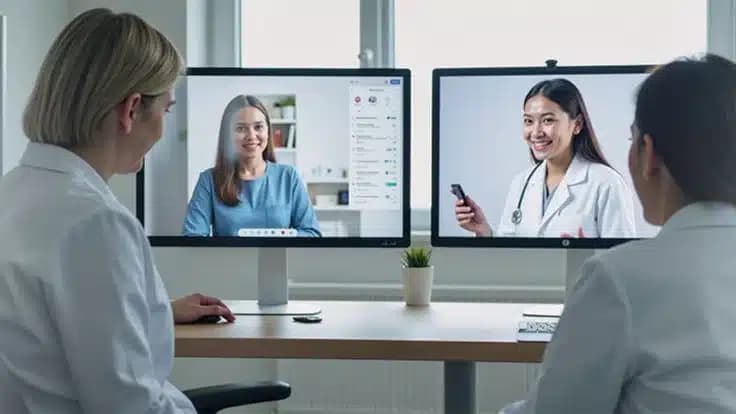
The healthcare industry is rapidly evolving, with patients expecting personalized care, seamless communication, and convenient access to medical services. At the same time, healthcare providers must manage growing patient volumes, complex administrative tasks, and strict data security requirements. This is why understanding Why Healthcare Organizations Need CRM Software is essential. A Healthcare Customer Relationship Management (CRM) system helps hospitals, clinics, diagnostic centers, and other healthcare providers improve patient engagement, streamline operations, and deliver better care.
Unlike traditional CRM solutions, Healthcare CRM software is specifically designed to manage patient relationships, automate communication, coordinate care, and enhance operational efficiency while maintaining compliance with healthcare regulations.
What Is Healthcare CRM Software?
Healthcare CRM software is a specialized platform that enables healthcare organizations to manage patient interactions, appointments, communication, marketing, and administrative workflows from a centralized system. It integrates with healthcare technologies such as Electronic Health Records (EHR), Electronic Medical Records (EMR), billing systems, and patient portals to provide a complete view of each patient's journey.
By organizing patient information and automating routine tasks, Healthcare CRM helps providers focus more on delivering quality care and less on administrative work.
Why Healthcare Organizations Need CRM Software
1. Improves Patient Engagement
One of the main reasons healthcare organizations need CRM software is to strengthen patient engagement. Patients expect timely communication and personalized interactions throughout their healthcare journey.
Healthcare CRM enables providers to:
- Send appointment reminders
- Share health education resources
- Deliver follow-up messages
- Notify patients about preventive screenings
- Provide personalized healthcare recommendations
Consistent communication improves patient satisfaction and encourages long-term relationships.
Enhances Patient Experience
A positive patient experience is essential for building trust and improving retention. Healthcare CRM software simplifies communication and reduces delays in accessing services.
Patients benefit from:
- Faster appointment scheduling
- Personalized communication
- Easy access to information
- Timely notifications
- Better support throughout their care journey
An improved patient experience contributes to higher satisfaction and loyalty.
Streamlines Appointment Management
Managing appointments manually can lead to scheduling conflicts, missed appointments, and administrative inefficiencies.
Healthcare CRM software helps by:
- Automating appointment scheduling
- Sending confirmation messages
- Providing reminder notifications
- Managing cancellations and rescheduling
- Reducing no-show rates
Efficient scheduling improves both patient convenience and clinic productivity.
Strengthens Patient Retention
Building lasting relationships with patients is essential for long-term success. Healthcare CRM helps organizations stay connected through regular communication and personalized care.
CRM software supports retention by:
- Scheduling follow-up appointments
- Sending wellness reminders
- Sharing preventive healthcare tips
- Tracking patient interactions
- Maintaining ongoing engagement
Patients who feel valued are more likely to return for future care.
Improves Care Coordination
Healthcare often involves collaboration among physicians, specialists, nurses, and administrative teams. A centralized CRM system ensures everyone has access to relevant patient information.
This improves:
- Team collaboration
- Information sharing
- Treatment coordination
- Continuity of care
- Overall patient outcomes
Better coordination leads to more efficient and effective healthcare delivery.
Automates Administrative Tasks
Administrative work can consume valuable time that could otherwise be spent on patient care.
Healthcare CRM automates tasks such as:
- Patient registration
- Appointment reminders
- Follow-up scheduling
- Email and SMS communication
- Patient feedback collection
Automation increases efficiency while reducing manual errors.
Enhances Marketing and Community Outreach
Healthcare organizations also need to educate communities and attract new patients. CRM software supports targeted marketing campaigns that promote health awareness and healthcare services.
Marketing features include:
- Email campaigns
- SMS notifications
- Health awareness initiatives
- Preventive care promotions
- Patient newsletters
These campaigns strengthen patient relationships and increase community engagement.
Provides Actionable Analytics
Healthcare CRM software collects valuable data that helps organizations improve decision-making.
Analytics can provide insights into:
- Appointment trends
- Patient satisfaction
- Marketing performance
- Patient retention
- Operational efficiency
These reports support strategic planning and continuous improvement.
Protects Patient Data
Healthcare organizations manage highly sensitive patient information, making security a top priority.
Modern CRM systems include features such as:
- Data encryption
- Secure user authentication
- Role-based access controls
- Audit logs
- Secure cloud storage
These measures help protect patient privacy and reduce cybersecurity risks.
Supports Regulatory Compliance
Healthcare providers must comply with regulations governing patient data and privacy. CRM software helps organizations maintain compliance by implementing secure data management practices and maintaining detailed records of patient interactions.
Depending on the region and healthcare sector, CRM systems can support compliance with standards such as:
- GDPR
- HIPAA
- PCI DSS (for payment processing)
Compliance helps organizations avoid legal issues while maintaining patient trust.
Supports Organizational Growth
As healthcare organizations expand, managing increasing patient volumes becomes more challenging.
Healthcare CRM software provides the flexibility to:
- Add new departments
- Manage multiple locations
- Expand patient databases
- Integrate additional healthcare services
Scalable CRM solutions support sustainable growth without disrupting daily operations.
Best Practices for Implementing Healthcare CRM Software
To maximize the benefits of Healthcare CRM software, organizations should:
- Choose a healthcare-specific CRM platform.
- Integrate it with EHR and EMR systems.
- Train healthcare staff thoroughly.
- Automate routine communication and reminders.
- Monitor patient engagement through analytics.
- Regularly update patient information.
- Maintain strong cybersecurity practices.
- Continuously gather patient feedback to improve services.
The Future of Healthcare CRM Software
Healthcare CRM technology continues to evolve with innovations such as artificial intelligence (AI), machine learning, predictive analytics, telemedicine integration, and patient self-service portals. AI-powered CRM systems can automate patient communication, predict healthcare needs, personalize recommendations, and improve operational efficiency.
As digital healthcare continues to advance, CRM software will play an increasingly important role in delivering connected, patient-centered care.
The Doctorna editorial desk writes about healthcare operations, patient experience and the systems clinics use to connect them.