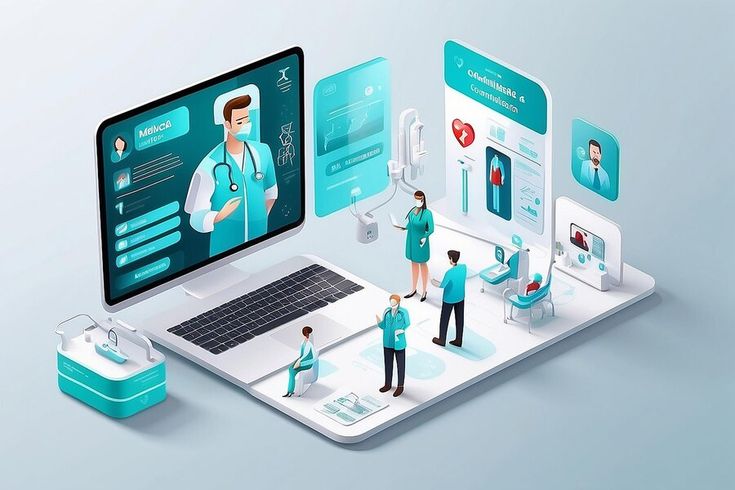

In today’s healthcare environment, patients expect instant, round-the-clock support. From scheduling appointments to answering medical queries, delays in communication can lead to frustration, missed appointments, and even poor health outcomes. This is where AI-powered chatbots are transforming patient support, providing efficient, reliable, and personalized assistance 24/7.
Understanding AI Chatbots in Healthcare
AI chatbots are software programs designed to simulate human conversation using artificial intelligence. Integrated with Healthcare CRM systems, they can handle routine patient interactions, freeing up staff to focus on more complex tasks. These chatbots use natural language processing (NLP) to understand patient queries and provide accurate responses in real-time.
Key Benefits of 24/7 Patient Support
1. Instant Responses
One of the most significant advantages of AI chatbots is immediacy. Patients no longer have to wait for office hours to get answers to common questions, such as:
- “When is my next appointment?”
- “What are the side effects of my medication?”
- “How can I reschedule my visit?”
By providing instant responses, chatbots improve patient satisfaction and reduce frustration.
2. Appointment Scheduling and Reminders
AI chatbots can seamlessly handle appointment scheduling, cancellations, and reminders. They can check provider availability, suggest optimal times, and even send notifications via SMS, email, or mobile apps. This reduces missed appointments and improves operational efficiency.
3. Personalized Patient Interaction
Modern AI chatbots can access patient records (securely and in compliance with regulations like HIPAA) to provide personalized advice. For example, patients with chronic conditions can receive tailored health tips or reminders for medication, check-ups, or preventive care. Personalization strengthens patient engagement and fosters trust in the healthcare provider.
4. Multi-Channel Accessibility
Patients prefer different communication channels, such as web portals, mobile apps, or social media platforms. AI chatbots can operate across multiple channels, ensuring consistent support regardless of how the patient chooses to reach out. This flexibility enhances convenience and overall patient experience.
5. Cost Efficiency
Implementing AI chatbots reduces the administrative workload on staff, allowing healthcare organizations to optimize resources. Routine queries are handled automatically, while human staff can focus on complex or critical cases, ultimately improving efficiency and reducing operational costs.
6. Data Collection and Insights
AI chatbots are not just reactive—they can collect valuable data on patient interactions, preferences, and common issues. This data helps healthcare providers understand patient needs, improve services, and implement proactive measures to enhance care.
Challenges to Consider
While AI chatbots provide numerous advantages, healthcare providers should be aware of challenges:
- Data Privacy: Ensuring patient data is protected and compliant with healthcare regulations is critical.
- Complex Queries: Chatbots are best suited for routine questions; complex medical concerns still require human intervention.
- User Adoption: Some patients may initially hesitate to interact with AI; proper guidance and education are essential.

Future of AI Chatbots in Healthcare
The future of AI chatbots in healthcare looks promising. Emerging technologies such as voice-enabled AI assistants, predictive analytics, and integration with wearable devices will allow chatbots to provide even more proactive and personalized care. Imagine a chatbot that alerts patients of potential health risks based on real-time data from wearables, or one that can schedule virtual consultations before a condition worsens.