
Importance of CRM in Modern Healthcare Management
Healthcare organizations manage large amounts of patient information, appointments, communication, administrative activities, and service-related interactions every day. As healthcare becomes

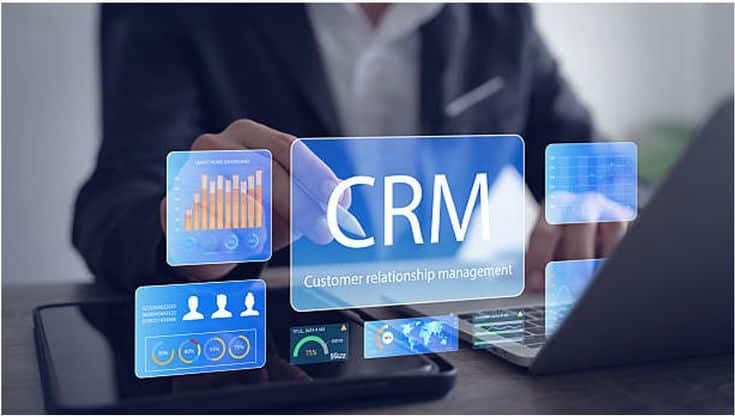
Healthcare organizations manage large amounts of patient information, appointments, communication, administrative activities, and service-related interactions every day. As healthcare becomes increasingly digital, organizations need efficient systems to coordinate these processes while maintaining a patient-focused approach. This is where Customer Relationship Management (CRM) technology can play an important role.
The Importance of CRM in Modern Healthcare Management extends beyond traditional customer service. Healthcare CRM platforms can help organizations organize patient interactions, streamline communication, support administrative workflows, and improve coordination between different teams. When appropriately integrated with other healthcare systems, CRM technology can contribute to a more connected and efficient healthcare environment.
What Is Healthcare CRM?
A healthcare CRM is a technology platform designed to help healthcare organizations manage relationships and interactions with patients and other stakeholders. It can collect and organize relevant information from different communication channels and make it available to authorized users.
Depending on the platform, healthcare CRM solutions may include features for patient communication, appointment management, lead management, marketing, feedback collection, reminders, reporting, and workflow automation.
A CRM does not necessarily replace an Electronic Health Record (EHR) or Electronic Medical Record (EMR). Instead, it can complement clinical systems by focusing on relationship management, communication, engagement, and administrative processes.
Improves Patient Communication
Clear and timely communication is an important part of the healthcare experience. Patients may interact with a healthcare organization through phone calls, email, websites, messaging platforms, and other channels.
A CRM can help organize these interactions in a centralized environment. Authorized staff can track communication history, follow up on inquiries, and provide relevant information without repeatedly requesting the same details from patients.
Automated reminders can also support appointment confirmations, follow-ups, and other routine communications.
Helps Manage Patient Information
Healthcare organizations often deal with information from multiple touchpoints. A CRM can help organize non-clinical patient relationship information so staff can access relevant details more efficiently.
For example, information about appointment requests, communication preferences, inquiries, and previous interactions can be organized within the system.
Proper access controls and privacy measures remain essential because healthcare information can be highly sensitive.
Supports Appointment Management
Missed appointments and inefficient scheduling can create challenges for healthcare organizations and patients. CRM platforms can support appointment-related workflows by helping staff manage inquiries, confirmations, reminders, and follow-ups.
Automated notifications can remind patients about upcoming appointments and provide relevant instructions. This can reduce the need for staff to perform repetitive communication tasks manually.
Enhances Patient Engagement
Patient engagement involves helping individuals stay connected with healthcare services and information. CRM platforms can support engagement through personalized communication, educational content, reminders, surveys, and follow-up messages.
For example, a healthcare organization may use a CRM to send appropriate follow-up communication after an appointment or provide reminders related to scheduled services.
Communication should be relevant and handled according to applicable privacy and consent requirements.
Enables Workflow Automation
One of the major advantages of healthcare CRM technology is automation. Repetitive administrative activities can often be automated based on predefined rules.
For instance, a CRM may automatically assign an inquiry to an appropriate team member, send an appointment reminder, create a follow-up task, or notify staff when a patient requests additional information.
Automation can save staff time and allow teams to focus more attention on tasks that require human involvement.
Supports Better Coordination
Healthcare organizations often involve multiple departments and teams. Without an organized communication system, information can become fragmented across emails, spreadsheets, phone records, and separate applications.
A CRM can provide a shared platform for managing relevant patient interactions and administrative workflows. This can improve coordination between departments while providing authorized staff with a clearer view of ongoing interactions.
Integration with other healthcare technologies can further connect different parts of the organization's digital environment.
Provides Useful Analytics
Healthcare CRM platforms can generate reports and dashboards based on available interaction and operational data. Organizations can use these insights to understand communication patterns, appointment activity, inquiry sources, patient engagement, and other operational indicators.
Analytics can help management identify areas where workflows may need improvement. Data-driven decision-making can support more efficient allocation of resources and better planning.
Supports Personalized Experiences
Patients have different communication preferences and service requirements. A CRM can help healthcare organizations organize relevant information and use it to provide more personalized interactions.
For example, patients may receive communication through their preferred channel or receive information relevant to the services they have requested.
Personalization should be implemented carefully, with appropriate permissions, data protection, and transparency.
Connects With Other Healthcare Systems
Modern healthcare organizations typically use multiple digital systems. These may include EHRs, EMRs, hospital information systems, patient portals, telemedicine platforms, billing systems, and communication tools.
CRM integration can help different systems exchange relevant information through secure APIs and other integration technologies. Connecting systems can reduce duplicate data entry and create more efficient workflows.
Successful integration requires careful planning, appropriate security controls, data mapping, and compatibility testing.
Strengthens Patient Feedback Management
Feedback can provide healthcare organizations with valuable information about patient experiences. CRM systems can help collect, organize, and track feedback from surveys, forms, communication channels, and other sources.
Organizations can analyze recurring concerns and identify areas where service processes may need improvement. Responding to feedback in an organized way can also support ongoing relationship management.
Importance of Security and Compliance
Because healthcare organizations handle sensitive information, CRM implementation must prioritize privacy and security. Access controls, encryption, authentication, audit trails, secure integrations, data retention policies, and appropriate staff training can all contribute to responsible data management.
Organizations should also ensure that their CRM practices comply with the healthcare privacy and data protection requirements applicable to their jurisdiction.
The Importance of CRM in Modern Healthcare Management lies in its ability to bring patient relationship management, communication, automation, coordination, and analytics into a more organized digital environment. A healthcare CRM can support appointment workflows, patient engagement, follow-ups, feedback management, and administrative efficiency.
When integrated carefully with existing healthcare systems and implemented with strong privacy and security practices, CRM technology can help healthcare organizations create more connected and efficient processes while keeping patient experience at the center of their digital strategy.
The Doctorna editorial desk writes about healthcare operations, patient experience and the systems clinics use to connect them.