Integration of Healthcare CRM with Telehealth Platforms
The healthcare industry is rapidly embracing digital transformation, with telehealth emerging as a vital component of modern care delivery. At


The healthcare industry is rapidly embracing digital transformation, with telehealth emerging as a vital component of modern care delivery. At the same time, Customer Relationship Management (CRM) systems are helping healthcare providers manage patient interactions and data more efficiently. Understanding the integration of healthcare CRM with telehealth platforms is essential for organizations aiming to deliver seamless, efficient, and patient-centered virtual care.
By combining CRM systems with telehealth technologies, healthcare providers can streamline operations, improve communication, and enhance the overall patient experience.
What Is CRM and Telehealth Integration?
The integration of healthcare CRM with telehealth platforms refers to connecting CRM systems with virtual care technologies such as video consultations, remote monitoring tools, and digital communication channels.
This integration allows patient data, appointment schedules, and communication records to flow seamlessly between systems, eliminating silos and improving coordination.
Centralized Patient Data for Better Care
One of the biggest advantages of the integration of healthcare CRM with telehealth platforms is centralized patient data. All relevant information—medical history, consultation records, prescriptions, and communication logs—is stored in a single system.
Healthcare providers can access this data instantly during virtual consultations, leading to more informed decisions and improved patient outcomes.
Streamlined Appointment Scheduling
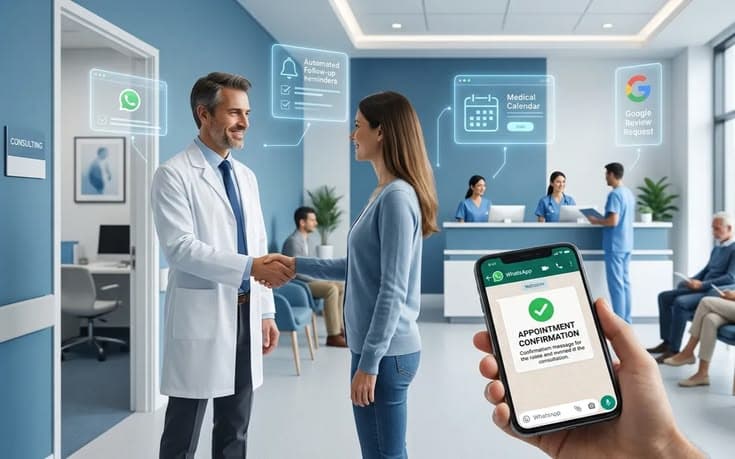
Telehealth services rely heavily on efficient scheduling systems. CRM integration automates appointment booking, confirmations, and reminders for virtual visits.
Patients can easily schedule consultations online, while providers can manage their calendars without conflicts. Automated reminders reduce missed appointments and improve overall efficiency.
Enhanced Patient Communication
Effective communication is critical in virtual healthcare. CRM systems enable continuous interaction between patients and healthcare providers through emails, SMS, and in-app messaging.
This ensures that patients receive timely updates, reminders, and follow-up instructions, improving engagement and satisfaction.
Improved Workflow Efficiency
A key benefit of the integration of healthcare CRM with telehealth platforms is improved workflow efficiency. By automating administrative tasks such as patient registration, documentation, and billing, healthcare staff can focus more on patient care.
Integration eliminates the need for manual data entry and reduces errors, leading to smoother operations.
Seamless Virtual Consultations
CRM integration ensures that telehealth platforms function smoothly during virtual consultations. Patient data is readily available, and communication tools are integrated into a single interface.
This reduces technical disruptions and enhances the quality of virtual care, making consultations more efficient and effective.
Data Analytics and Insights
CRM systems provide valuable insights into patient behavior, appointment trends, and service performance. When integrated with telehealth platforms, these analytics become even more powerful.
Healthcare providers can track the effectiveness of virtual care services, identify areas for improvement, and optimize their strategies for better outcomes.
Support for Remote Patient Monitoring
The integration of healthcare CRM with telehealth platforms also supports remote patient monitoring. CRM systems can connect with wearable devices and health monitoring tools to collect real-time patient data.
This is particularly beneficial for managing chronic conditions and post-treatment care, enabling continuous monitoring and timely interventions.
Enhanced Security and Compliance
Handling sensitive patient data requires strict security measures. Integrated CRM and telehealth systems are designed with advanced security features such as encryption, secure access controls, and compliance with healthcare regulations.
This ensures that patient information is protected while maintaining trust in digital healthcare services.
Scalability and Flexibility
As telehealth services continue to grow, healthcare organizations need scalable solutions. CRM integration allows systems to handle increasing patient volumes and more complex workflows.
This flexibility ensures that healthcare providers can expand their services without compromising efficiency or quality.
Better Coordination Among Healthcare Teams
Telehealth often involves multiple healthcare professionals working together. CRM integration facilitates better coordination by providing shared access to patient data and communication tools.
This ensures that all team members are aligned, leading to more accurate diagnoses and effective treatment plans.
Future Trends in CRM and Telehealth Integration
The future of the integration of healthcare CRM with telehealth platforms looks promising, with advancements such as:
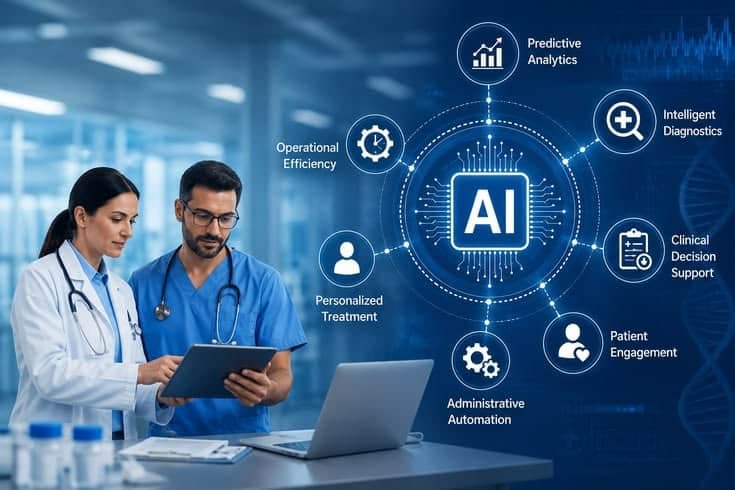
- AI-powered virtual assistants for patient support
- Predictive analytics for proactive care
- Integration with wearable technology for real-time health tracking
- Enhanced mobile applications for better accessibility
These innovations will further enhance the efficiency and effectiveness of digital healthcare services.
Conclusion
Understanding the integration of healthcare CRM with telehealth platforms highlights how technology is transforming healthcare delivery. By combining CRM systems with telehealth solutions, healthcare providers can streamline workflows, improve patient communication, and deliver high-quality virtual care.
As digital healthcare continues to evolve, this integration will play a crucial role in shaping the future of patient-centered care. Organizations that adopt these technologies will be better equipped to meet the growing demand for accessible, efficient, and reliable healthcare services.
The Doctorna editorial desk writes about healthcare operations, patient experience and the systems clinics use to connect them.