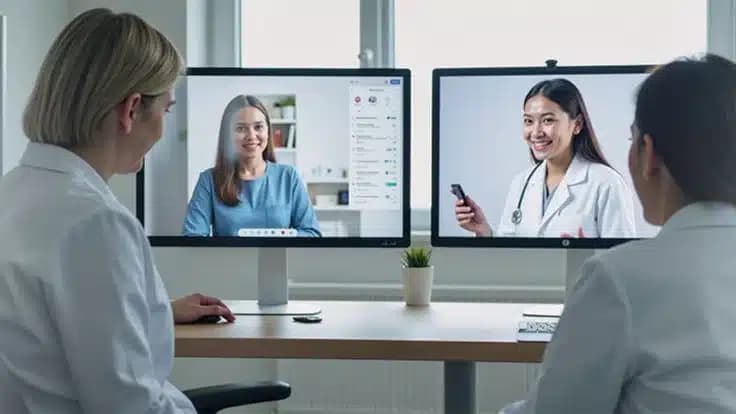
Key Features of Healthcare CRM Software
Healthcare organizations are increasingly adopting digital technologies to improve patient care, streamline operations, and enhance communication. One of the most


Healthcare organizations are increasingly adopting digital technologies to improve patient care, streamline operations, and enhance communication. One of the most valuable solutions available today is Healthcare Customer Relationship Management (CRM) software. Understanding the Key Features of Healthcare CRM Software helps hospitals, clinics, dental practices, diagnostic centers, and other healthcare providers choose the right platform to manage patient relationships and improve operational efficiency.
Unlike traditional CRM systems, Healthcare CRM software is specifically designed to address the unique needs of the healthcare industry. It combines patient management, communication, appointment scheduling, analytics, and security into one centralized platform that supports better patient experiences and more efficient healthcare delivery.
What Is Healthcare CRM Software?
Healthcare CRM software is a specialized customer relationship management solution that helps healthcare organizations manage patient interactions, appointments, communication, marketing campaigns, and administrative tasks. It integrates with healthcare systems such as Electronic Health Records (EHR), Electronic Medical Records (EMR), billing platforms, and patient portals to create a unified view of every patient's journey.
By automating routine processes and centralizing patient information, Healthcare CRM enables providers to focus more on delivering quality care.
Key Features of Healthcare CRM Software
1. Centralized Patient Information Management
One of the most important Key Features of Healthcare CRM Software is the ability to securely store and manage patient information in one centralized location.
The system typically stores:
- Patient contact details
- Medical history references
- Appointment records
- Communication history
- Insurance information
- Treatment preferences
Having complete patient information readily available helps healthcare providers deliver more personalized and efficient care.
Appointment Scheduling and Calendar Management
Healthcare CRM software simplifies appointment management through automated scheduling tools.
Features include:
- Online appointment booking
- Calendar synchronization
- Appointment confirmations
- Rescheduling support
- Automated reminders
- Cancellation management
These capabilities reduce administrative work while minimizing missed appointments.
Automated Patient Communication
Effective communication is essential for improving patient engagement.
Healthcare CRM allows organizations to send:
- Appointment reminders
- Prescription refill notifications
- Follow-up messages
- Preventive care reminders
- Health education content
- Service announcements
Automated communication ensures patients remain informed throughout their healthcare journey.
Patient Follow-Up Management
Regular follow-ups improve treatment outcomes and strengthen patient relationships.
Healthcare CRM helps providers:
- Schedule follow-up appointments
- Track recovery progress
- Send wellness check-ins
- Monitor ongoing treatments
- Notify healthcare staff about pending follow-ups
Automated follow-up management improves continuity of care.
Integration with EHR and EMR Systems
Modern Healthcare CRM platforms integrate seamlessly with Electronic Health Records (EHR) and Electronic Medical Records (EMR).
Integration enables healthcare providers to:
- Access patient records quickly
- Reduce duplicate data entry
- Improve care coordination
- Enhance workflow efficiency
Connected systems ensure healthcare professionals always have accurate patient information.
Marketing Automation
Healthcare CRM software includes marketing tools that help organizations educate patients and attract new ones.
Marketing capabilities include:
- Email campaigns
- SMS marketing
- Patient newsletters
- Health awareness campaigns
- Preventive care promotions
- Community outreach initiatives
These tools improve patient engagement while supporting organizational growth.
Analytics and Reporting
Healthcare CRM systems provide valuable insights through advanced reporting features.
Organizations can analyze:
- Appointment trends
- Patient satisfaction
- Campaign performance
- Patient retention
- Revenue growth
- Operational efficiency
Data-driven insights help healthcare leaders make informed business decisions.
Task and Workflow Automation
Healthcare CRM automates repetitive administrative tasks that consume valuable staff time.
Automated workflows may include:
- Appointment reminders
- Patient registration
- Referral tracking
- Billing notifications
- Internal task assignments
Automation improves efficiency while reducing manual errors.
Patient Segmentation
Healthcare CRM allows providers to organize patients into different groups based on demographics, medical conditions, treatment history, or communication preferences.
Segmentation supports:
- Personalized communication
- Targeted healthcare campaigns
- Preventive care initiatives
- Better patient engagement
Tailored communication leads to improved patient satisfaction.
Secure Data Management
Protecting sensitive patient information is a critical requirement in healthcare.
Healthcare CRM software includes security features such as:
- Data encryption
- Secure cloud storage
- Multi-factor authentication
- Role-based access control
- Audit logs
These security measures help safeguard patient privacy and reduce cybersecurity risks.
Patient Feedback Management
Collecting patient feedback helps healthcare organizations continuously improve their services.
Healthcare CRM can:
- Send satisfaction surveys
- Collect online reviews
- Analyze patient feedback
- Track service quality
Understanding patient experiences enables organizations to enhance healthcare delivery.
Multi-Channel Communication
Patients expect flexible communication options.
Healthcare CRM supports multiple communication channels, including:
- SMS
- Phone integration
- Patient portals
- Mobile notifications
Multi-channel communication improves accessibility and patient engagement.
Scalability
Healthcare organizations often expand by adding new departments, specialties, or clinic locations.
Healthcare CRM software is designed to scale by supporting:
- Multiple locations
- Growing patient databases
- Additional healthcare services
- Increased staff access
Scalable systems allow organizations to grow without disrupting operations.
Compliance Support
Healthcare providers must comply with data privacy regulations and healthcare standards.
Healthcare CRM software supports compliance by offering:
- Secure data storage
- Access control policies
- Audit trails
- Data retention management
- Privacy protection tools
These features help organizations meet regulatory requirements while protecting patient information.
Best Practices for Choosing Healthcare CRM Software
When selecting a Healthcare CRM solution, organizations should look for software that:
- Integrates with existing EHR and EMR systems.
- Offers strong security and compliance features.
- Provides customizable workflows.
- Supports automated communication.
- Includes advanced reporting and analytics.
- Is easy for healthcare staff to use.
- Can scale as the organization grows.
- Offers reliable customer support and regular updates.
The Future of Healthcare CRM Software
Healthcare CRM technology continues to evolve with artificial intelligence (AI), machine learning, predictive analytics, telemedicine integration, and patient self-service portals. AI-powered CRM systems can automate routine tasks, predict patient needs, personalize communication, and identify opportunities to improve patient care.
As healthcare organizations continue their digital transformation, Healthcare CRM software will play an increasingly important role in delivering efficient, patient-centered care.
The Doctorna editorial desk writes about healthcare operations, patient experience and the systems clinics use to connect them.